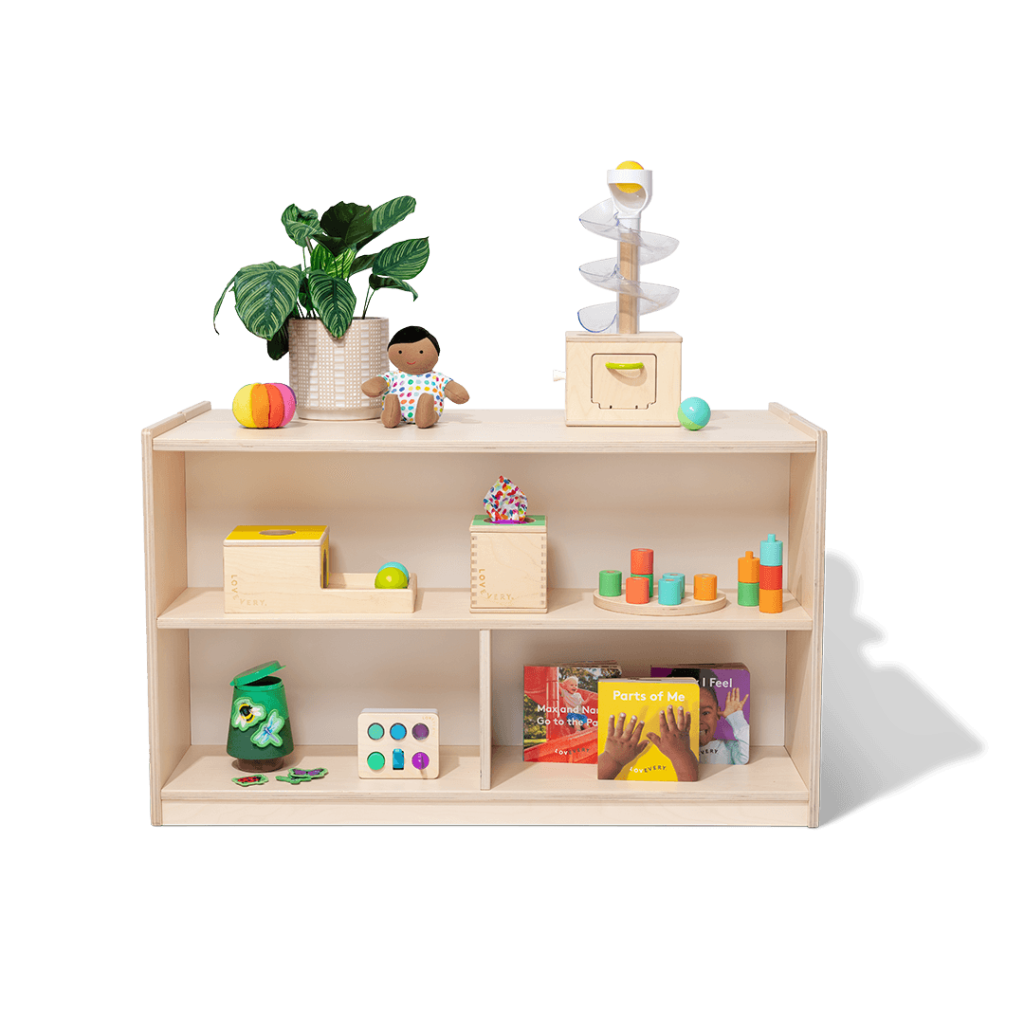
Are you tired of toys scattered all over your child’s play area? Finding the right way to store Montessori toys can transform your space and your daily routine.
Imagine a tidy, inviting playroom where every toy has its place, making it easier for your child to find what they need and put things away independently. You’ll discover simple and smart Montessori toy storage ideas that not only keep things organized but also encourage your child’s growth and creativity.
Keep reading to unlock tips that will make your home more peaceful and your child’s playtime more meaningful.
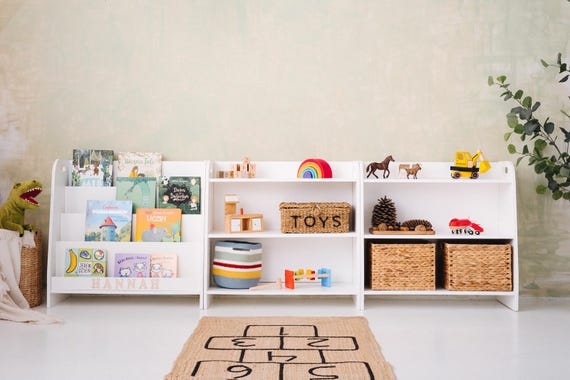
Credit: www.etsy.com
Benefits Of Montessori Toy Storage
Montessori toy storage does more than just keep your child’s play area neat. It supports independence, encourages responsibility, and creates a calm environment where your child can focus and explore. You might notice how your little one starts choosing toys on their own and putting them away without reminders. This is the power of well-thought-out storage designed with Montessori principles.
Enhances Child Independence
Montessori storage is designed at your child’s height, making toys easily accessible. When your child can reach their toys, they learn to select and return items independently. This simple change boosts confidence and decision-making skills from a young age.
Encourages Responsibility And Organization
Having a specific place for every toy teaches your child to care for their belongings. It’s satisfying for them to see a tidy space after playtime. You’ll notice fewer lost toys and less mess, creating a more pleasant environment for everyone.
Supports Focus And Concentration
Clutter can overwhelm children, but Montessori storage helps reduce distractions. By displaying only a few toys at a time, your child can focus better on each activity. This setup makes playtime more meaningful and less chaotic.
Promotes Aesthetic Appreciation
Montessori storage often uses natural materials and simple designs. This introduces your child to beauty and order in everyday life. It’s a subtle way to develop their taste and respect for well-made objects.
Makes Cleanup A Fun Routine
When storage is fun and reachable, kids enjoy tidying up. You can turn cleanup into a game, encouraging teamwork and good habits. Have you tried timing cleanup or using songs? These small tricks make a big difference.
Minimalist Approach
The minimalist approach to Montessori toy storage focuses on simplicity and order. It encourages using fewer toys and clear storage solutions. This method helps children explore and learn without distraction. It supports independence by making toys easy to find and put away.
Reducing Clutter
Keeping toys to a minimum reduces mess and confusion. Open shelves with a few toys on display work best. Use baskets or boxes to group similar items. Label each container with pictures or words. This helps children know where things belong and keeps the space tidy.
Enhancing Focus
A clean and simple environment improves concentration. Children can focus better on one toy at a time. Avoid overcrowding shelves with too many options. Rotate toys regularly to keep interest high. This approach encourages deep play and learning.
Open Shelving Solutions
Open shelving solutions create a clear and inviting space for Montessori toy storage. These shelves keep toys visible and within reach. Children can see all options, which helps them choose what to play with. Open shelves also encourage order and neatness by making clean-up easier. The design fits well with the Montessori method, supporting learning and development through accessible environments.
Accessibility For Children
Open shelves are placed at a child’s height. This makes toys easy to grab and return independently. No help needed from adults. Children learn to access their toys safely and confidently. Clear visibility on shelves means kids know where everything belongs. This reduces frustration and saves time during play and clean-up.
Promoting Independence
When children can choose and store toys alone, independence grows. Open shelving supports decision-making and responsibility. Kids learn to organize their belongings and respect their space. This simple setup builds self-confidence and life skills. It encourages exploration and curiosity without barriers or restrictions.
Labeling Techniques
Labeling techniques play a vital role in Montessori toy storage. They help children identify where each toy belongs. Clear labels encourage independence and keep the play area neat. These techniques combine visuals and words to support young learners.
Visual Cues
Visual cues make labels easy to understand. Pictures show what toy goes in each bin or shelf. This helps children who cannot read yet. Use bright, simple images that match the toys inside. Visual cues reduce confusion and speed up cleanup time.
Language Development
Labels with words help improve language skills. Seeing the toy’s name builds vocabulary. Parents and teachers can read the labels aloud. Children learn new words through daily interaction. This practice supports early reading and writing abilities.
Rotating Toys Strategy
The rotating toys strategy is a simple yet powerful way to keep your child’s play environment fresh and stimulating. Instead of overwhelming your child with too many options at once, you present a small selection of toys and swap them out regularly. This approach helps maintain curiosity and focus while promoting a clutter-free space that aligns with Montessori principles.
Keeping Interest Alive
Have you noticed how a toy your child ignored yesterday suddenly becomes fascinating after a break? Rotating toys mimics this effect by reintroducing items after some time away. This keeps the play area exciting without constantly adding new toys.
Try dividing toys into groups and display only one group at a time. After a few days, swap the current set with another. You’ll see your child engaging more deeply and for longer periods with each rotation.
Encouraging Exploration
Rotation invites your child to rediscover and explore toys in new ways. With fewer distractions, they focus on the details and functions of each item. This supports independent learning and problem-solving skills.
Ask yourself: Are you giving your child the chance to fully explore each toy? Rotating toys gently guides your child to concentrate and enjoy the process rather than rushing through multiple options.
By using this strategy, you create a calm, inviting environment that encourages curiosity and meaningful play. Your child’s engagement grows naturally, making toy time more rewarding for both of you.
Natural Materials Use
Using natural materials for Montessori toy storage supports a healthy environment. These materials bring warmth and simplicity to play areas. They align with Montessori values of nature and sensory learning. Natural storage options are sturdy, safe, and visually pleasing.
Eco-friendly Options
Wood, bamboo, and wicker baskets are popular eco-friendly choices. They are biodegradable and free from harmful chemicals. These materials reduce plastic waste in children’s rooms. Choosing natural fibers for storage helps protect the planet. It also teaches kids about sustainability from an early age.
Enhancing Sensory Experience
Natural materials offer unique textures and scents. These features engage children’s senses during play and clean-up time. Smooth wooden boxes, woven baskets, and cotton bags feel pleasant to touch. They encourage children to explore and handle objects carefully. This sensory input supports fine motor skills and focus.
Incorporating Multifunctional Furniture
Incorporating multifunctional furniture into Montessori toy storage transforms a child’s playroom. This furniture serves more than one purpose, blending storage with learning and play. It helps maintain an organized space while encouraging creativity and independence.
Space Optimization
Multifunctional furniture maximizes limited space effectively. Items like storage benches or ottomans provide seating and hidden storage simultaneously. Shelves with adjustable compartments grow with the child’s needs. This approach reduces clutter and keeps toys accessible. Using vertical space smartly keeps the floor clear for play.
Versatile Play Areas
Furniture that adapts to different activities supports varied play styles. Tables with storage underneath become art stations or puzzle areas. Foldable desks can switch between learning and play easily. Open shelves allow children to choose and return toys independently. This flexibility nurtures focus, imagination, and organization skills.
Diy Storage Solutions
DIY storage solutions offer a creative way to organize Montessori toys. They help keep play areas tidy and make toys easy to find. Building your own storage can match your space and style perfectly. It also allows you to control the size and shape of each storage unit. Children learn responsibility by putting toys back in their special places. These ideas use simple materials and tools. They fit well with the Montessori principle of order and independence.
Budget-friendly Ideas
Use recycled materials like old crates or boxes for toy storage. Paint them in soft, natural colors that suit Montessori aesthetics. Stack wooden crates to create open shelves for easy access. Repurpose shoe organizers by hanging them on walls for small toys. Use clear jars or containers to store beads, blocks, or puzzle pieces. Label each container with pictures or words to help kids identify contents. This keeps costs low and encourages creativity.
Personalized Touch
Add a personal touch by decorating storage with your child’s name or favorite colors. Use stencils or stickers to create fun labels. Attach small chalkboards or clipboards to bins for changing labels easily. Let children help decorate storage boxes with drawings or prints. Personalization makes kids feel proud of their space. It motivates them to keep their toys organized every day.
Creating Play Zones
Creating play zones in a Montessori environment helps children explore with focus. It guides them to enjoy toys without feeling overwhelmed. Organizing toys in specific areas supports learning and independence. Each zone can inspire different types of play and development.
Defined Spaces
Defined play zones separate activities for clear understanding. Use shelves, mats, or small rugs to mark each area. Keep similar toys or materials together. For example, a puzzle zone, a building block corner, or a reading nook.
Clear spaces reduce clutter and distractions. Children learn to return toys to the right spot. This practice builds responsibility and respect for their environment.
Encouraging Creative Play
Creative play zones invite children to imagine and experiment freely. Provide open-ended toys like blocks, art supplies, or dress-up clothes. Leave space for children to spread out and build their ideas.
Rotate toys regularly to keep the zone fresh and exciting. This encourages children to explore new ways to play. A creative zone supports problem-solving and fine motor skills development.

Credit: www.amazon.com
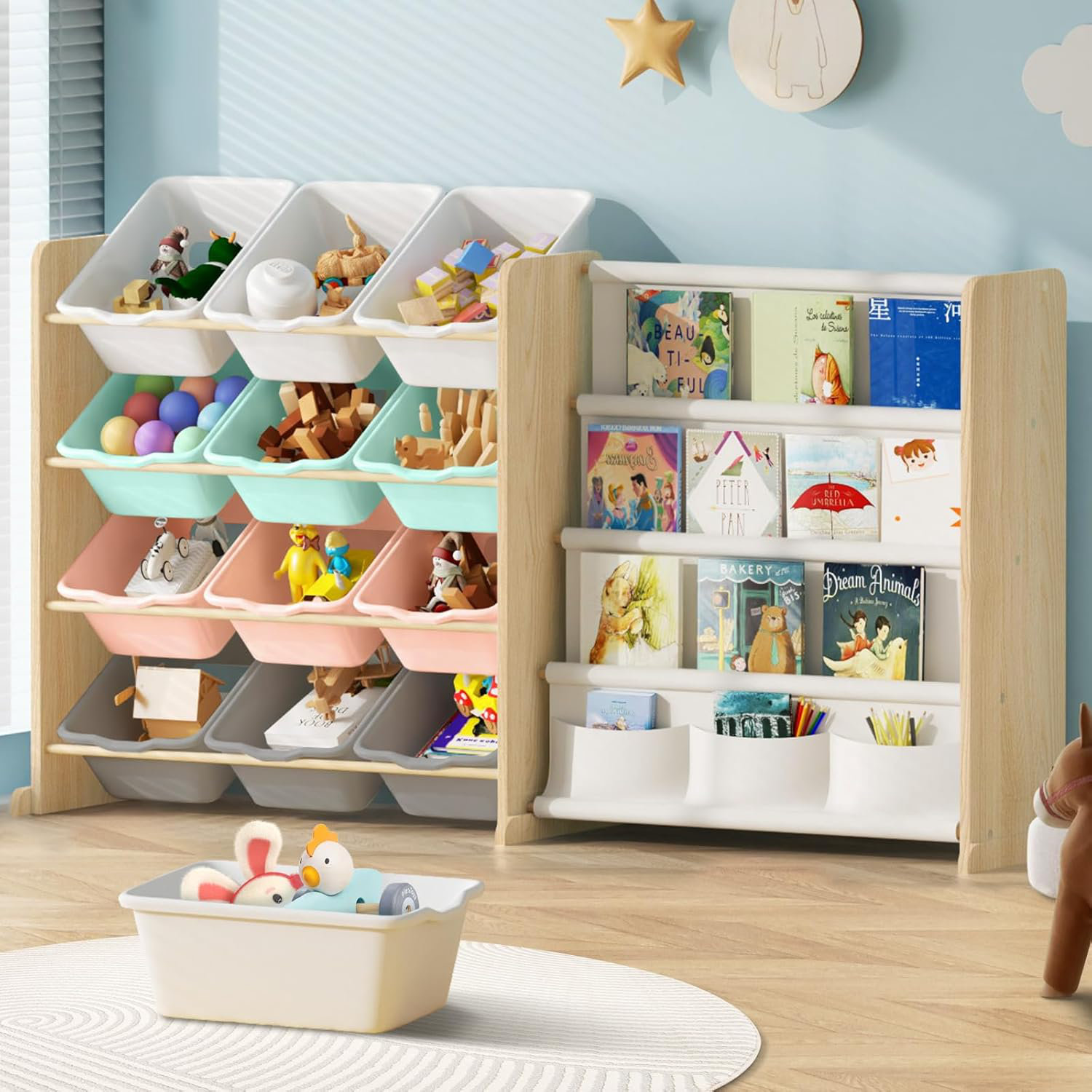
Credit: www.wayfair.com
Frequently Asked Questions
What Are The Best Montessori Toy Storage Options?
The best Montessori toy storage options include low shelves, open bins, and labeled baskets. These encourage independence and easy access for children. Choose natural materials like wood for durability and aesthetics. Keeping toys visible helps kids make choices and promotes organization skills.
How To Organize Montessori Toys For Easy Access?
Organize Montessori toys by grouping similar items in clear containers or baskets. Use low shelves to keep toys within child’s reach. Rotate toys regularly to maintain interest and reduce clutter. Label storage with pictures or words to support early literacy and independence.
Why Use Natural Materials For Montessori Toy Storage?
Natural materials like wood and wicker align with Montessori principles of simplicity and connection to nature. They are durable, safe, and visually calming for children. These materials avoid plastic’s harsh colors and chemicals, fostering a warm, inviting play environment.
How Can Montessori Storage Promote Child Independence?
Montessori storage promotes independence by allowing children to choose and return toys themselves. Low shelves and open bins encourage self-directed play. Clear labeling helps children understand organization. This system nurtures responsibility and decision-making skills from an early age.
Conclusion
Organizing Montessori toys helps children learn and play better. Simple storage ideas keep toys tidy and easy to find. Use low shelves, baskets, and clear containers for quick access. This creates a calm and inviting space for kids. A neat area encourages independence and focus during activities.
Try these storage tips to make your child’s playtime more enjoyable. Clean spaces lead to happy, confident learners. Small changes make a big difference in daily routines. Keep it simple and watch your child thrive.