
In this guide
Your baby’s safety is your top priority, especially when it comes to the toys they put in their mouth every day. Germs and bacteria can hide on these toys, putting your little one at risk of getting sick.
But how do you make sure those toys are truly clean without using harsh chemicals? You’ll discover simple and effective ways to disinfect baby toys safely. Keep reading to learn easy steps that protect your baby’s health and give you peace of mind.

Credit: www.amazon.com
Importance Of Clean Baby Toys
Keeping baby toys clean is crucial for your child’s health. Babies put toys in their mouths often. This can transfer germs and bacteria directly to them. Dirty toys can cause infections and illnesses.
Regular cleaning reduces the risk of sickness. It helps maintain a safe play environment. Clean toys also last longer and stay in better condition. This ensures your baby enjoys safe and healthy playtime.
Preventing The Spread Of Germs
Babies explore the world by tasting and touching. Toys become a hotspot for germs. Cleaning stops the spread of harmful bacteria. This keeps your baby safe from colds, flu, and other infections.
Protecting Your Baby’s Developing Immune System
Babies have weaker immune systems. They need extra protection from germs. Clean toys reduce exposure to harmful microbes. This helps their immune system grow stronger without extra risk.
Maintaining A Hygienic Play Area
A clean play space supports overall hygiene. It reduces the presence of dirt and allergens. Clean toys contribute to a healthier home environment. This creates a safe place for your baby to learn and play.
Credit: babycr.net
Identifying Germ Hotspots
Identifying germ hotspots on baby toys is the first step to keeping your little one safe from harmful bacteria and viruses. Toys that frequently go into your baby’s mouth can harbor unseen germs that multiply quickly if not cleaned properly. Understanding where these germs tend to gather helps you focus your cleaning efforts effectively.
Common Contaminants
Baby toys often collect a variety of contaminants that pose health risks. Saliva is a major source of bacteria since it contains natural germs from your baby’s mouth. Additionally, dust and dirt from floors or outdoor play areas can stick to toys, carrying germs your baby could swallow.
Think about the last time your baby dropped a toy on the floor—did you immediately clean it? If not, bacteria from the floor can transfer onto the toy’s surface. Other common contaminants include food residue and sticky liquids, which create a perfect breeding ground for germs.
High-risk Toy Types
Not all toys are equally risky when it comes to germs. Soft toys and plush animals absorb saliva and dirt easily, making them tough to clean thoroughly. Hard plastic or rubber toys with cracks and crevices are also problematic since germs can hide in these small spaces.
Toys that float in bathwater or are used outdoors often retain moisture, encouraging mold and bacterial growth. Teething rings, rattles, and pacifiers are some of the highest-risk items because babies spend a lot of time chewing on them. Have you ever noticed how quickly these items get sticky or grimy?
By identifying these hotspots, you can target your disinfecting routine to keep your baby’s toys truly clean and safe to use.
Safe Cleaning Methods
Keeping baby toys clean is essential for your child’s health. Toys that go in the mouth need special care. Safe cleaning methods help remove germs without harming your baby. Use gentle, non-toxic options to protect delicate skin and tiny immune systems. Here are effective ways to clean these toys safely and easily.
Soap And Water Technique
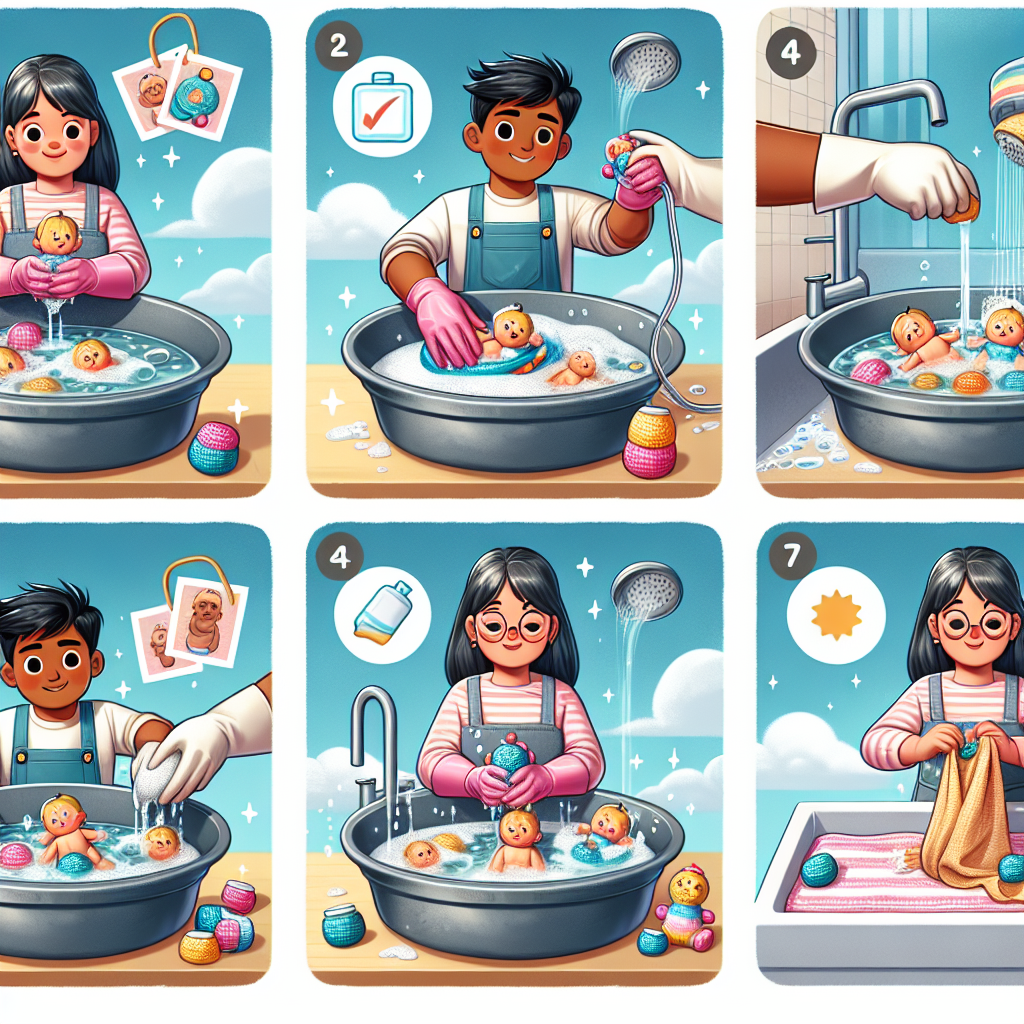
Soap and water is a simple, effective way to clean baby toys. Use warm water and mild liquid soap. Scrub the toy gently with a soft cloth or brush. Rinse thoroughly to remove all soap. Air dry the toy completely before giving it back to your baby.
Natural Cleaning Solutions
Natural solutions kill germs without harsh chemicals. Mix equal parts white vinegar and water in a spray bottle. Spray the solution on the toy and let it sit for a few minutes. Rinse with clean water and air dry. Baking soda paste also works well for tough stains. These options keep toys safe and fresh.
Commercial Cleaners
Choose commercial cleaners made for baby products. Look for those labeled non-toxic and free from harmful chemicals. Follow the instructions on the label carefully. Rinse the toy well after cleaning. Avoid cleaners with bleach or strong fragrances. These products provide extra protection and convenience.
Tools For Disinfection
Keeping baby toys clean and safe is essential, especially those that your little one puts in their mouth. Choosing the right tools for disinfection makes this task easier and more effective. Let’s look at some essential tools that help you maintain hygiene without hassle.
Cleaning Brushes
Cleaning brushes are a must-have for getting into small crevices and hard-to-reach areas of baby toys. They come in various sizes and shapes, including soft-bristled options that won’t damage delicate surfaces.
Using a brush designed for baby items helps you remove dirt and germs more thoroughly than wiping alone. Have you tried a toothbrush for tiny spots? It often works perfectly for toys with intricate details.
Look for brushes that are easy to clean themselves and can be sanitized regularly. This ensures you don’t transfer bacteria from one toy to another.
Dishwasher Safety
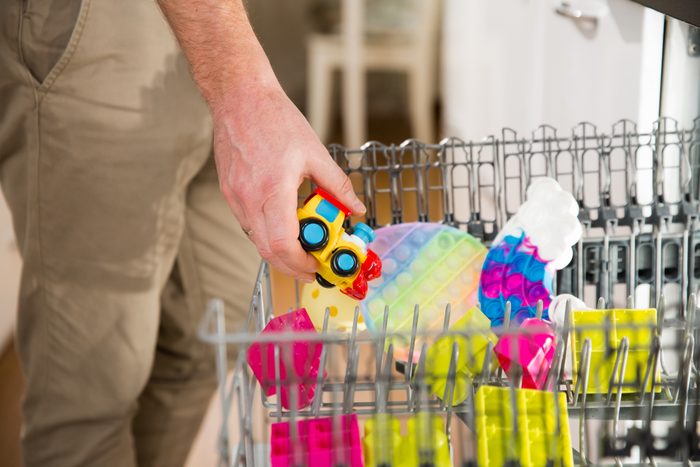
Many baby toys are dishwasher safe, which can save you time and effort. However, not all toys can handle the heat and pressure of a dishwasher cycle, so always check the manufacturer’s guidelines before placing toys inside.
Placing toys on the top rack usually offers the gentlest cleaning. Consider using a baby-safe detergent free from harsh chemicals to protect your child’s health.
Have you noticed how some plastic toys warp after a wash? Avoid this by separating toys by material and washing only those labeled dishwasher safe. This simple check prevents damage while keeping toys disinfected.
Drying And Storing Toys
After disinfecting baby toys, drying and storing them properly is crucial. This helps keep toys clean and safe for your baby’s use. Wet toys can grow bacteria quickly. Proper drying stops this from happening. Storing toys in the right way prevents dirt and germs from returning. Clean, dry toys last longer and stay safe for your child.
Air Drying Tips
Air drying is the safest way to dry baby toys. Use a clean towel to remove extra water first. Then place toys in a well-ventilated area. Avoid direct sunlight as it can damage some toy materials. Spread toys out, don’t stack them. This helps air reach every part. Allow toys to dry completely before storing. Soft or plush toys may take longer to dry. Patience here is important to prevent mold growth.
Proper Storage Practices
- Store toys in a clean, dry container with a lid.
- Use breathable storage bins to avoid moisture buildup.
- Keep the storage area cool and away from humidity.
- Separate clean toys from dirty or used ones.
- Check toys regularly for any signs of dirt or damage.
- Wash and dry toys before storing again.
Proper storage keeps toys fresh and ready to use. It helps protect your baby’s health by reducing germs.
Credit: www.familyhandyman.com
Frequency Of Cleaning
Keeping baby toys clean is essential, especially those that your little one puts in their mouth. The frequency of cleaning can make a big difference in preventing germs from building up and keeping your child safe. How often you clean these toys depends on daily use and the environment they are in.
Daily Maintenance
Wiping down toys after daily play helps reduce germs before they multiply. Use a damp cloth with mild soap or baby-safe wipes to clean the surface. This quick step takes just a few minutes but can prevent many illnesses.
Think about how often your baby drops a toy on the floor or puts it back in their mouth. Daily cleaning can catch germs before they spread. It’s simple and effective, especially for frequently handled toys.
Weekly Deep Clean
Once a week, give toys a thorough cleaning to kill bacteria and viruses that survive daily wipes. You can soak plastic toys in warm soapy water or use a baby-safe disinfectant. Make sure to rinse well and let them dry completely before use.
Soft toys need special care—wash them according to the label, usually in a gentle cycle. Deep cleaning once a week maintains hygiene and keeps toys safe for your baby’s curious hands and mouth. How would your routine change if you added this step?
Handling Special Materials
Handling baby toys made from special materials requires extra care to keep them safe and hygienic. Different materials react differently to cleaning products and methods, so knowing what works best is essential. You want to protect the toy’s texture and durability while making sure it’s free from harmful germs.
Plush Toys Care
Plush toys are cozy favorites but can easily trap dirt and bacteria in their fabric. Instead of harsh chemicals, use a gentle detergent mixed with warm water to spot-clean stains. You can also put smaller plush toys in a mesh laundry bag and wash them on a delicate cycle in your washing machine.
After washing, air-dry the toy completely to avoid mold growth. Have you checked the label on your child’s favorite plush toy lately? It often gives specific washing instructions that can save you from accidental damage.
Wooden Toys Precautions
Wooden toys need a softer approach because soaking them can cause swelling or cracking. Wipe the surface with a damp cloth and mild soap, then rinse with a clean damp cloth. Avoid submerging wooden toys in water to keep their shape and finish intact.
Once cleaned, dry the toy thoroughly with a towel and let it air-dry in a well-ventilated area. Applying a natural oil like coconut or beeswax occasionally can protect the wood and make it last longer. Have you ever noticed how wooden toys feel warmer and more natural in your child’s hands compared to plastic?
Frequently Asked Questions
How Often Should Baby Toys Be Disinfected?
Disinfect baby toys at least once a week or more if heavily used. Regular cleaning prevents harmful germs and keeps your baby safe from infections. Always disinfect toys that go in the mouth promptly after playtime.
What Safe Disinfectants Can Be Used On Baby Toys?
Use mild soap and warm water, or a vinegar-water solution, for safe disinfection. Avoid harsh chemicals or bleach that can be toxic. Steam cleaning or dishwasher-safe toys are also effective and safe options.
Can Baby Toys Be Disinfected In A Dishwasher?
Yes, many plastic and silicone baby toys are dishwasher-safe. Use the top rack and a gentle cycle for best results. This method effectively kills germs without damaging toys.
How To Disinfect Plush Baby Toys That Go In Mouth?
Wash plush toys in hot water with baby-safe detergent. Use a gentle cycle and dry thoroughly to prevent mold. For extra disinfection, use a steam cleaner or spray with a vinegar solution.
Conclusion
Keeping baby toys clean protects your little one from germs and illness. Regularly wash and disinfect toys that go into their mouth. Use safe, gentle cleaning methods to avoid harsh chemicals. Always rinse toys well and let them dry completely.
This simple habit helps maintain your baby’s health and happiness. Clean toys mean peace of mind for parents too. Stay consistent with cleaning to create a safer play environment. Small efforts make a big difference in your child’s well-being.