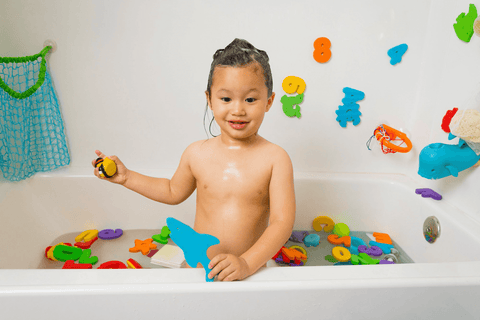
Your baby’s bath time is full of joy and splashes, but those colorful bath toys can quickly become a hidden home for germs and mold. If you’re wondering how to keep your little one’s toys clean and safe, you’re in the right place.
You’ll discover simple, effective ways to clean baby bath toys that protect your child’s health and keep playtime fun. Ready to make those toys sparkle and stay hygienic? Let’s dive in!
Why Clean Baby Bath Toys?
Keeping your baby’s bath toys clean is more important than you might think. These toys spend a lot of time in warm, wet environments, which makes them perfect places for germs and mold to grow. If you overlook this, it could affect your baby’s health and safety during bath time.
Preventing Harmful Bacteria And Mold Growth
Bath toys can trap water inside, creating a moist environment where bacteria and mold thrive. These microbes are not always visible, but they can cause infections or allergic reactions in your baby. Cleaning the toys regularly helps stop these harmful organisms from taking hold.
Maintaining Your Baby’s Health And Safety
Babies often put bath toys in their mouths. This means any germs on the toys can easily enter their system. You want to ensure that every toy is free from dirt and germs to protect your little one from getting sick.
Extending The Life Of Bath Toys
Regular cleaning helps keep bath toys in good condition. Dirt and grime can wear down the materials, making toys break or become unsafe faster. By cleaning them, you save money and reduce waste by keeping toys usable longer.
Setting A Good Example For Hygiene Habits
When you clean your baby’s toys, you’re teaching early lessons about cleanliness and care. Kids notice how you handle their belongings. This can encourage them to adopt good hygiene habits as they grow.
Have you noticed any slimy buildup on your baby’s bath toys recently? It might be time for a thorough cleaning to keep bath time fun and safe!

Credit: www.tiktok.com
Common Germs On Bath Toys
Bath toys often seem harmless, but they can harbor a surprising range of germs. These tiny invaders thrive in warm, wet environments like your baby’s bath time fun zone. Understanding the common germs on bath toys helps you keep your child safe and healthy.
Mold and MildewMold and mildew are the most common culprits lurking inside bath toys. They grow quickly in moist areas, especially in toys with small holes or cracks where water can get trapped. Have you ever noticed a funny smell or black spots inside your child’s toys? That’s usually mold starting to form.
BacteriaBacteria love bath toys because they’re warm and damp, perfect for breeding. Some types, like E. coliand Salmonella, can cause stomach issues or infections. These germs can sneak into tiny holes or cracks you might not even see, making regular cleaning essential.
FungiFungi are another common group of germs found on bath toys. Unlike mold, fungi can cause skin irritation or rashes in some children. If your baby develops unexplained skin issues, checking bath toy cleanliness might be a good place to start.
Biofilm FormationBiofilm is a slimy layer formed by germs sticking together on surfaces. Once biofilm forms inside bath toys, it’s tough to remove and protects bacteria and fungi from cleaning. This means that simple rinsing won’t cut it — you need to clean toys thoroughly to break down this layer.
Materials Needed For Cleaning
Gathering the right materials makes cleaning baby bath toys easier and more effective. You don’t need fancy products—simple household items can do the trick. Having everything ready before you start saves time and ensures a thorough job.
Gentle Soap Or Baby-safe Cleaner
Choose a mild soap that’s safe for babies. Harsh chemicals can irritate your child’s skin or damage the toys. I always use a gentle dish soap or a baby-specific cleaner to keep things safe and fresh.
White Vinegar
White vinegar is a powerful natural disinfectant. It helps remove mold and mildew without toxic residue. Just dilute it with water to make a safe cleaning solution for the toys.
Soft Brushes Or Toothbrushes
A soft brush reaches tiny crevices where grime hides. Old toothbrushes work perfectly for scrubbing small areas. You’ll be surprised how much cleaner the toys get with a little brushing.
Clean Towels Or Cloths
Use soft towels to dry the toys after washing. Avoid rough fabrics that might scratch or damage the surfaces. Having a few clean cloths ready keeps your workspace tidy and helps speed up drying.
Large Bowl Or Basin
A container big enough to soak the toys makes cleaning easier. Soaking helps loosen dirt and kills germs more effectively. I often use a plastic basin in the bathroom for this purpose.
Baking Soda (optional)
Baking soda boosts cleaning power and neutralizes odors. Sprinkle some on stubborn stains or mix it with water to form a paste. It’s a handy ingredient when soap alone isn’t enough.
Which of these materials do you already have at home? Getting your supplies lined up before cleaning can turn a chore into a quick routine. Ready to dive into the cleaning process?
Step-by-step Cleaning Process
Cleaning baby bath toys is important to keep them safe and germ-free. A simple routine helps remove dirt, mold, and bacteria. Follow these clear steps for a thorough clean. Use gentle products safe for babies and clean regularly.
Preparing The Cleaning Solution
Start by making a mild cleaning solution. Use warm water mixed with a small amount of baby-safe soap. For extra cleaning power, add a little white vinegar. Vinegar helps kill germs without harsh chemicals. Stir the mix well to blend all ingredients.
Soaking And Scrubbing
Place the bath toys into the cleaning solution. Let them soak for at least 10 minutes. Soaking loosens dirt and mold inside the toys. Use a soft brush or cloth to scrub each toy gently. Focus on small holes and crevices where dirt hides. Avoid using hard brushes that can damage toys.
Rinsing And Drying
Rinse the toys under running clean water. Make sure all soap and vinegar are washed off. Shake out any water trapped inside the toys. Dry toys completely before storing to stop mold growth. Use a clean towel or air dry in a sunny spot. Proper drying keeps toys fresh and safe for baby bath time.
Natural Cleaning Alternatives
Natural cleaning alternatives offer a safe way to clean baby bath toys. These options avoid harsh chemicals and protect your child’s health. They also help keep toys free from mold and bacteria without strong scents or residues.
Using natural ingredients is easy and affordable. Most are found in your kitchen or pantry. These cleaners work well to remove dirt and germs from baby toys. They keep the toys fresh and safe for your little one to enjoy.
White Vinegar Solution
White vinegar is a powerful natural cleaner. Mix equal parts of white vinegar and water in a bowl. Soak the toys for 10 to 15 minutes. Rinse thoroughly with clean water and air dry. This method kills germs and removes mold without strong chemicals.
Baking Soda Paste
Baking soda gently scrubs away dirt and grime. Make a paste using baking soda and a small amount of water. Apply the paste to the toys and scrub with a soft brush. Rinse well and let the toys dry. This method helps clean tough spots safely.
Lemon Juice Spray
Lemon juice has natural antibacterial properties. Mix lemon juice with water in a spray bottle. Spray the solution on the toys and let it sit for 5 minutes. Wipe with a clean cloth and rinse. This adds a fresh scent and cleans effectively.
Hydrogen Peroxide Rinse
Hydrogen peroxide is a natural disinfectant. Dilute with equal parts water and soak the toys for a few minutes. Rinse thoroughly afterward. This method kills bacteria and keeps toys safe for babies. Avoid using full-strength hydrogen peroxide to protect the toys.

Credit: www.tiktok.com
Preventing Mold And Mildew
Mold and mildew thrive in damp, warm environments—exactly where baby bath toys live after bath time. Preventing their growth is crucial not only for your child’s health but also for keeping toys safe and clean. You might have noticed that even after rinsing, toys develop that musty smell or soft spots inside. Let’s look at how you can stop mold and mildew before they start.
Proper Drying Techniques
Water trapped inside bath toys is the perfect breeding ground for mold. After each bath, squeeze out all the water from hollow toys. Leave toys in a well-ventilated area to dry completely before storing them.
Try setting toys on a clean towel in direct sunlight when possible. Sunlight helps kill mold spores naturally. Avoid tossing toys into a damp drawer or container right after bath time.
Regular Cleaning Routine
Cleaning toys regularly keeps mold spores from settling in. Use a mixture of warm water and mild soap to scrub toys weekly. For extra protection, soak toys in a vinegar solution (one part vinegar to four parts water) for 10-15 minutes to kill hidden mold.
Do you remember when you skipped cleaning a favorite toy and noticed a slimy film? That’s a sign mold is gaining ground. Don’t let it get that far—clean consistently.
Proper Storage Solutions
Storing bath toys properly after they dry is just as important as drying them. Use mesh bags or containers with holes to allow air circulation. Avoid airtight boxes that trap moisture and encourage mildew growth.
Think about where you keep your toys—does the spot stay dry and airy? If not, switching storage locations can make a big difference.
Inspect Toys For Damage
Cracks and holes in toys can trap water and become hidden mold hotspots. Check toys regularly for any signs of damage. Replace toys that are difficult to clean or have persistent mold problems.
Have you ever tried cleaning a toy only to find the mold hiding inside a tiny crack? It’s frustrating and unsafe. Staying vigilant helps protect your child.
Frequency Of Cleaning Bath Toys
Keeping baby bath toys clean is important for your child’s health. Bath toys can hold water inside and become a place for germs and mold. Cleaning them regularly helps prevent illness and keeps playtime safe.
The frequency of cleaning depends on how often your baby uses the toys and the type of toys you have. Some toys need more frequent care than others. Setting a regular cleaning schedule ensures toys stay fresh and safe.
Daily Wipe Down After Use
Quickly wipe bath toys with a clean cloth after each use. This removes soap residue and surface dirt. It helps reduce mold growth and keeps toys ready for the next bath.
Weekly Deep Cleaning
Give bath toys a thorough clean at least once a week. Use warm water and mild soap or a vinegar solution. Squeeze out all water inside to prevent mold buildup.
Cleaning After Illness
Clean and disinfect bath toys immediately if your child is sick. Germs can spread easily through shared toys. Use a gentle disinfectant safe for baby items.
Replace Toys When Needed
Check toys often for cracks or damage. Damaged toys can trap water and germs. Replace them if cleaning no longer removes mold or dirt.
Tips For Maintaining Clean Toys
Keeping your baby’s bath toys clean is essential for their health and safety. Dirty toys can harbor mold and bacteria, which can cause infections or skin irritations. Simple habits and regular care can make a big difference in maintaining clean toys.
Rinse And Dry After Every Use
Rinse bath toys thoroughly with warm water right after bath time to wash away soap residue and dirt. Squeeze out any water trapped inside to prevent mold growth. Let them air dry completely in a well-ventilated area before storing.
Use Vinegar Soaks For Deep Cleaning
Once a week, soak the toys in a mixture of equal parts white vinegar and water for 10-15 minutes. Vinegar kills bacteria and helps remove buildup without harsh chemicals. After soaking, rinse well and dry them thoroughly.
Check For Damage Regularly
Inspect toys for cracks, holes, or signs of mold inside. Damaged toys can trap water and germs, making cleaning ineffective. Replace any worn-out toys immediately to keep bath time safe.
Store Toys Properly
Store bath toys in a dry container with holes or on a mesh bag to allow air circulation. Avoid sealed plastic bags or containers where moisture can build up. Good storage helps prevent mold and keeps toys fresh.
Try Using A Dishwasher
If your bath toys are dishwasher-safe, place them on the top rack for a thorough cleaning. The hot water and detergent kill germs and remove grime effectively. Just make sure toys are secure and won’t get damaged during the wash.
Signs It’s Time To Replace Bath Toys
Bath toys bring joy to your baby’s bath time. They also need care and attention. Over time, toys can wear out or become unsafe. Knowing the signs that bath toys need replacement helps keep your baby safe and healthy.
Regularly check toys for damage or dirt. Some signs are easy to spot. Others may be hidden but still harmful. Replace toys at the first sign of trouble to avoid risks.
Visible Mold Or Mildew Growth
Mold can grow inside toys with water inside. It looks like black, green, or white spots. Mold can cause allergies and infections. Toys with mold must be replaced immediately.
Cracks, Holes, Or Tears
Cracks and holes trap dirt and bacteria. They make cleaning harder and less effective. Damaged toys can break further and hurt your baby. Replace toys with any cracks or tears.
Persistent Foul Odor
A bad smell means bacteria or mold inside. Sometimes cleaning does not remove the smell. If the odor stays, the toy is unsafe. Time to replace it with a fresh one.
Discoloration Or Fading
Color changes may mean the toy is breaking down. Fading can be a sign of plastic aging. Old toys lose strength and safety. Replace faded toys to keep bath time safe.
Sticky Or Slimy Surface
A slimy feel means bacteria build-up on the surface. It may happen if the toy dries slowly or is not cleaned well. Sticky toys are unsafe and should be replaced.
Toys Older Than One Year
Even if toys look okay, age matters. Older toys may hide damage or bacteria. Regularly replace toys at least once a year. Fresh toys reduce health risks for your baby.

Credit: www.youtube.com
Frequently Asked Questions
How Often Should I Clean Baby Bath Toys?
Clean baby bath toys weekly to prevent mold and bacteria buildup. Regular cleaning keeps toys safe and hygienic for your baby’s health.
What Is The Safest Way To Clean Bath Toys?
Use warm water and mild soap or vinegar solution. Avoid harsh chemicals to protect your baby’s sensitive skin.
Can I Use A Dishwasher To Clean Bath Toys?
Yes, dishwasher-safe bath toys can be cleaned on the top rack. Use a gentle cycle and ensure toys are fully dry afterward.
How Do I Remove Mold From Inside Bath Toys?
Fill toys with a vinegar and water mix, shake well, then rinse thoroughly. This kills mold without harmful chemicals.
Conclusion
Cleaning baby bath toys keeps your child safe and healthy. Use gentle soap and warm water for regular cleaning. Dry toys well to stop mold and bacteria growth. Check toys often for cracks or damage. Simple care helps toys last longer and stay fun.
Remember, clean toys mean happy bath times every day. Keep these tips handy for easy and safe cleaning.