In this guide
Have you ever seen those beautifully carved wooden dolls with bright colors and intricate designs? Those are Kachina Dolls, and they hold a special story you might not know.
These dolls are more than just art—they carry deep meaning and traditions from Native American cultures. If you’ve ever wondered what makes Kachina Dolls so unique and why people treasure them, this article will open that door for you. Keep reading, and you’ll discover the fascinating history, symbolism, and purpose behind these captivating figures.
Your curiosity is about to be rewarded!
Origins Of Kachina Dolls
Kachina dolls are carved figures made by Native American tribes. They represent spiritual beings called Kachinas. These dolls teach children about their culture and beliefs.
The tradition of making Kachina dolls began centuries ago. They hold deep meaning in the lives of the Hopi and other Pueblo peoples.
Roots In Native American Culture
Kachina dolls come from the Hopi tribe in the southwestern United States. They symbolize the spirits of natural elements and ancestors. Each doll has its own name and purpose.
- They teach children about Kachina spirits.
- They show important cultural stories and lessons.
- They help keep traditions alive.
- They are used in ceremonies to honor nature.
Historical Significance
| Time Period | Role of Kachina Dolls |
| Pre-1500s | Oral traditions about Kachinas passed down |
| 1500s-1800s | Dolls carved as teaching tools for children |
| 1900s | Dolls gained recognition as cultural art |
| Today | Symbols of Native American heritage and spirituality |
Kachina dolls have changed over time but keep their deep meaning. They connect people to the past and their spiritual world.

Credit: www.ebay.ca
Crafting Kachina Dolls
Kachina dolls are traditional Native American carvings. They represent spirits from the Hopi and Pueblo cultures.
Making these dolls is a careful and meaningful process. Each doll tells a story through its shape and colors.
Materials And Techniques
Artists use soft wood to carve Kachina dolls. Cottonwood root is the most common material.
The carving starts with a rough shape. Then, artists add fine details by hand. They use knives and small tools.
- Soft cottonwood root for easy carving
- Hand tools like knives and files
- Natural paints made from minerals and plants
- Feathers, fur, and cloth for decoration
Symbolism In Design
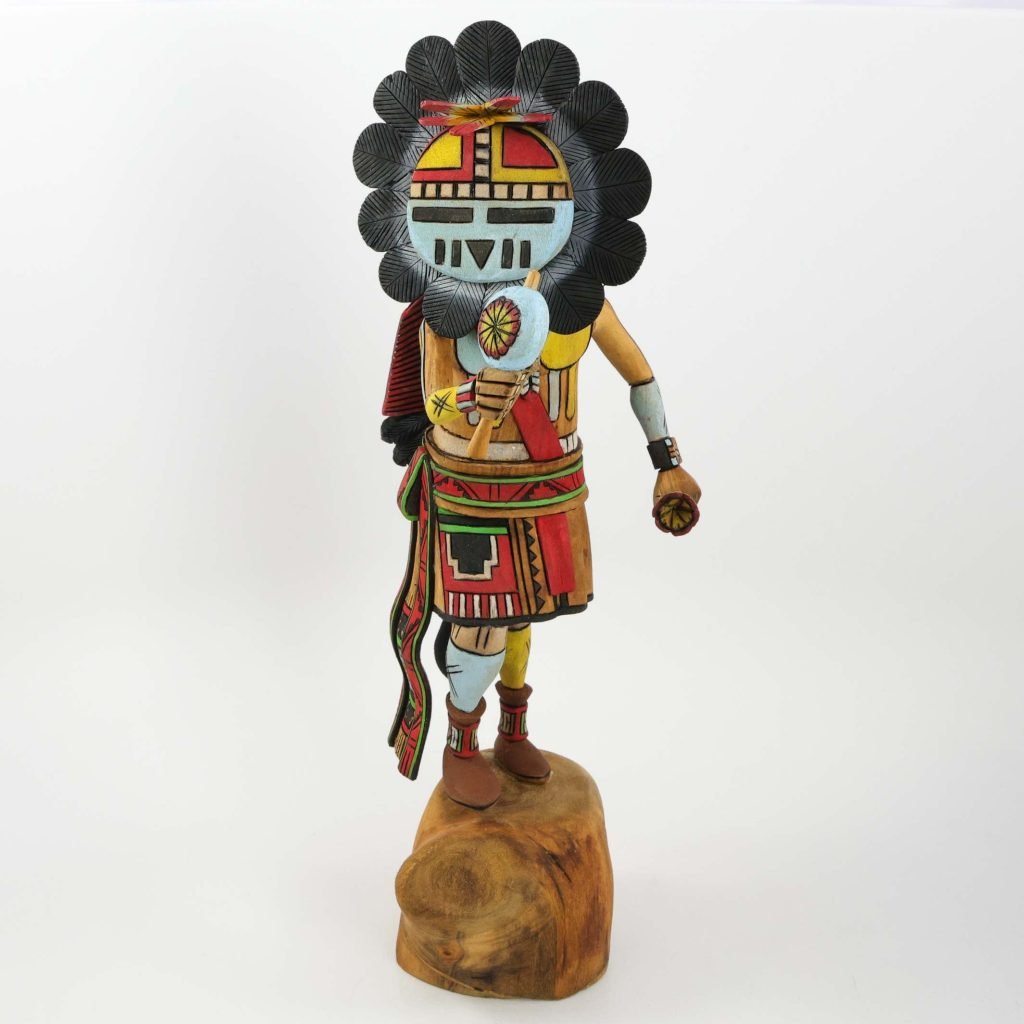
Kachina dolls show the traits of the spirit they represent. Each part has a special meaning.
Colors, shapes, and patterns tell stories about nature and life. They connect to traditions and beliefs.
- Bright colors symbolize energy and life
- Animal shapes represent spirit helpers
- Patterns show nature elements like rain or clouds
- Facial masks express different personalities
Types Of Kachina Dolls
Kachina dolls are special figures made by Native American tribes. They show different spirits and meanings.
These dolls come in many types. Each type has its own look and story.
Spirit Representations
Kachina dolls represent spirits from nature and the world. Each spirit has a different role.
Some common spirits are animals, plants, or weather forces. They teach lessons and bring blessings.
- Animal spirits like birds, bears, and deer
- Weather spirits like rain and thunder
- Plant spirits like corn and flowers
- Human-like spirits that guide people
Regional Variations
Kachina dolls look different in various regions. Each tribe has its own style and traditions.
The Hopi tribe makes detailed, painted dolls. The Zuni tribe uses bright colors and simple shapes.
- Hopi dolls have intricate designs and feathers
- Zuni dolls use bold colors and geometric shapes
- Other tribes add unique symbols and patterns
Spiritual Role Of Kachina Dolls
Kachina dolls are sacred figures made by Native American tribes, especially the Hopi. They represent spiritual beings called Kachinas. These dolls teach children about their culture and beliefs.
The dolls play an important role in ceremonies and help connect people to their spiritual world. They remind the community of nature’s power and their ancestors’ wisdom.
Connection To Nature And Ancestors
Kachina dolls symbolize natural forces and ancestors. Each doll represents a spirit that controls weather, plants, or animals. They show respect for nature’s balance and its gifts.
- Water spirits bring rain for crops.
- Sun spirits give light and warmth.
- Animal spirits protect wildlife and hunters.
- Ancestor spirits guide the people’s lives.
Ceremonial Uses
Kachina dolls are used during important ceremonies. These events honor the Kachina spirits and ask for blessings. The dolls help pass on traditions and teachings to younger generations.
| Ceremony | Purpose | Role of Kachina Dolls |
| Powamu Festival | Celebrate spring and growth | Dolls teach children about the spirits |
| Niman Ceremony | Send Kachinas back to spirit world | Dolls are given as gifts and reminders |
| Harvest Rituals | Thank spirits for crops | Dolls represent gratefulness and prayers |
Collecting And Displaying Kachina Dolls
Kachina dolls are carved wooden figures made by Native American tribes, mainly the Hopi. They represent spiritual beings called Kachinas.
People collect these dolls for their beauty and cultural value. Displaying them with care shows respect for their meaning.
Cultural Respect And Ethics
Kachina dolls are sacred objects in Native American culture. Collectors must honor their spiritual importance.
Buying dolls directly from Native artists supports their traditions. Avoid dolls made without permission or cultural knowledge.
- Learn about the meanings behind each doll
- Display dolls in a respectful place
- Never use dolls for decoration without understanding
- Support Native artists and communities
Modern Interpretations
Some artists create modern Kachina dolls with new styles and materials. These reflect today’s culture and creativity.
Collectors enjoy these fresh designs while still respecting the tradition. Modern dolls can show how culture changes over time.

Credit: www.ebay.ca

Credit: www.ebay.ca
Frequently Asked Questions
What Are Kachina Dolls Made From?
Kachina Dolls are traditionally carved from cottonwood root. They are hand-painted and decorated to represent spiritual beings. These dolls embody Hopi and Pueblo cultural symbols and teachings, serving as educational tools for children and collectors.
Why Are Kachina Dolls Important In Native Culture?
Kachina Dolls represent spiritual beings that guide and protect Native communities. They teach children about values, traditions, and the natural world. These dolls hold deep religious and cultural significance, linking past and present generations.
How Are Kachina Dolls Used In Ceremonies?
Kachina Dolls are not used directly in ceremonies but represent Kachina spirits. They are given to children during rituals to educate and connect them with spiritual beliefs. The actual Kachina dancers perform during seasonal ceremonies.
Can Kachina Dolls Be Valuable Collectibles?
Yes, authentic Kachina Dolls can be highly valuable. Their worth depends on age, craftsmanship, and cultural significance. Collectors seek original handmade dolls, which are considered unique Native American art pieces.
Conclusion
Kachina dolls hold deep meaning for Native American culture. They teach about spirits and nature. Each doll tells a unique story with special designs. People use them to pass down traditions and history. These dolls show respect for the world around us.
Learning about Kachina dolls helps us understand and appreciate different cultures. They remind us of the connection between humans and the spirit world. Simple yet powerful, Kachina dolls keep old stories alive today.