In this guide
Have you ever wondered where stem toys come from and why they are everywhere today? These toys aren’t just fun—they’re designed to boost your child’s skills in science, technology, engineering, and math.
But how did they become such a big part of learning and play? Understanding their origin will give you a fresh perspective on why stem toys matter so much for your child’s growth. Keep reading, and you’ll discover the surprising story behind these powerful learning tools.
Early Educational Toys
Early educational toys have been instrumental in shaping young minds, long before the modern STEM toys came into the picture. These toys focused on nurturing curiosity, creativity, and problem-solving skills, laying the groundwork for what would eventually become STEM education. But where did these early educational toys originate, and how did they evolve into the tools we see today?
Roots In Montessori Method
The Montessori method, developed by Dr. Maria Montessori in the early 1900s, emphasized hands-on learning through play. Montessori toys were designed to be simple yet purposeful, encouraging children to explore their environment. These toys, often made from natural materials, fostered independence and critical thinking. I remember visiting a Montessori school and being amazed at how children were engrossed in activities with wooden puzzles and bead frames, learning through tactile experiences. It makes you wonder how much the simplicity of these materials contributed to their effectiveness.
Influence Of Waldorf Education
Waldorf education, founded by Rudolf Steiner, also played a crucial role in the development of educational toys. Waldorf toys are known for their focus on imagination and creativity, often featuring handcrafted elements and natural materials. These toys are intentionally unstructured, allowing children to interpret them in various ways. I once gifted a Waldorf-inspired doll to my niece, and she spent hours creating stories and scenarios, proving how such toys can spark endless creativity. Do you think the lack of predefined rules in Waldorf toys helps children develop their own narratives?

Credit: brickset.com
Rise Of Stem Concepts
The rise of STEM concepts marks a significant change in education and play. STEM stands for Science, Technology, Engineering, and Mathematics. These fields grew important as the world became more focused on innovation and problem-solving. Schools and parents began to see the value of teaching these skills early.
STEM toys emerged as tools to make learning fun and hands-on. They help children explore these subjects by building, experimenting, and creating. This approach encourages curiosity and critical thinking. The shift toward STEM education is shaping how children learn and play today.
Shift Towards Science And Technology
Science and technology gained focus due to rapid advancements. Computers, robotics, and digital tools became part of daily life. This change pushed education to include more science and tech topics. Kids started learning about coding, electronics, and natural sciences at a young age.
STEM toys began to include elements like circuits and programming. These toys teach scientific concepts through active play. Children learn cause and effect, observation, and hypothesis testing. The goal is to build a strong foundation in science and tech skills early.
Incorporation Of Engineering And Math
Engineering and math joined science and technology in the STEM mix. Engineering teaches design, construction, and problem-solving. Math supports logical thinking and calculations needed for engineering tasks.
STEM toys often involve building blocks, puzzles, and measurement tools. These toys develop spatial awareness and numerical skills. Kids learn how parts fit together and how to measure accurately. This hands-on experience makes math and engineering less abstract and more practical.
Pioneering Stem Toy Brands
STEM toys emerged from a desire to make learning fun and practical. Early brands focused on creating tools that sparked curiosity and problem-solving skills. These pioneering companies shaped the way children explore science, technology, engineering, and math through play.
They combined education with creativity. Their products encouraged kids to build, experiment, and discover. Many of these brands set the foundation for the diverse STEM toy market we see today.
Innovators In Stem Play
Several brands led the way in STEM toy innovation. They introduced unique concepts that blended education and entertainment. Their work made STEM subjects accessible and enjoyable for children of all ages.
- LEGO Education: Expanded traditional building blocks into coding and robotics kits.
- Melissa & Doug: Developed hands-on science and engineering kits for young learners.
- K’NEX: Created flexible construction sets that teach engineering principles.
- LittleBits: Produced electronic building blocks for easy circuit creation.
Popular Early Stem Toys
Early STEM toys became popular by inspiring creativity and logical thinking. These toys used simple designs to explain complex ideas. They helped children learn through doing rather than just watching.
- Snap Circuits: Allowed kids to build working electrical circuits safely.
- Math Dice: Made learning math facts into a fun game.
- Science Kits: Included materials for basic chemistry and physics experiments.
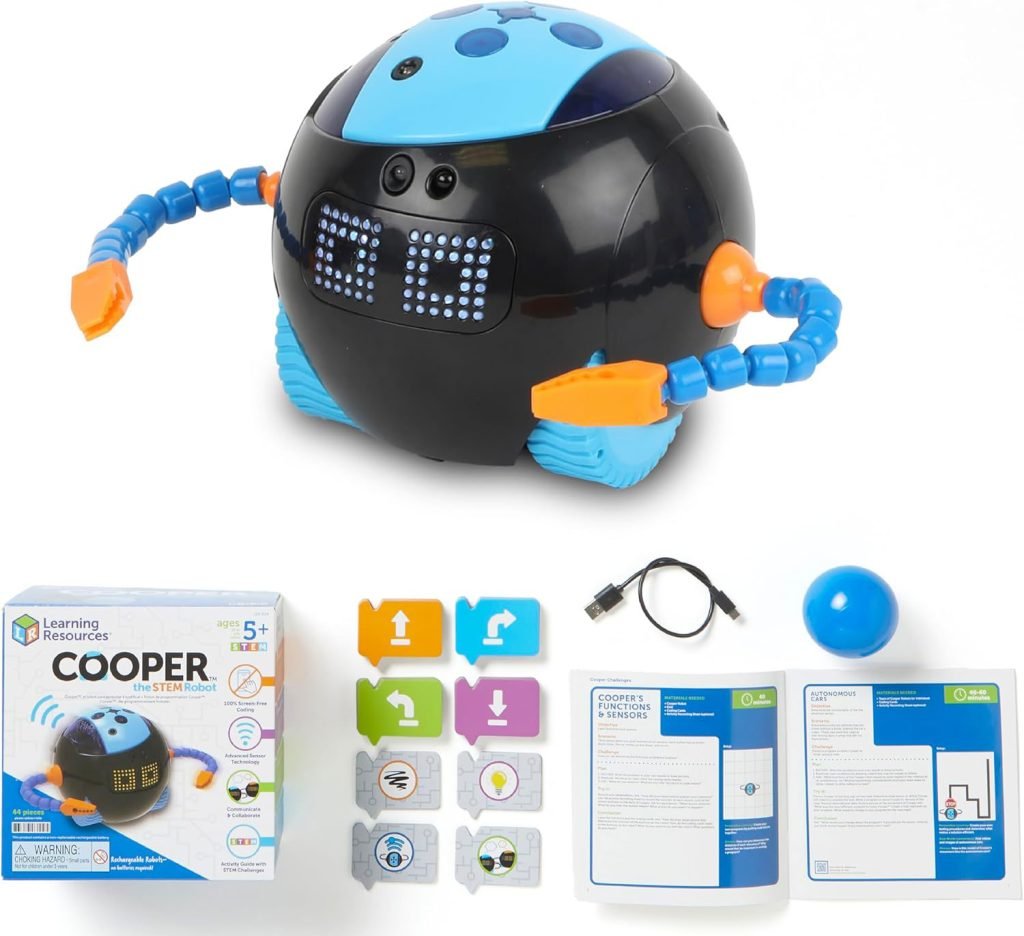
- Robotic Kits: Offered beginner-friendly robots to program and control.

Credit: www.facebook.com
Impact On Child Development
STEM toys have a significant impact on child development, shaping skills that are vital for success in school and beyond. These toys encourage active learning, making complex concepts approachable and fun. When children engage with STEM toys, they build a foundation for critical thinking and lifelong curiosity.
Enhancing Problem-solving Skills
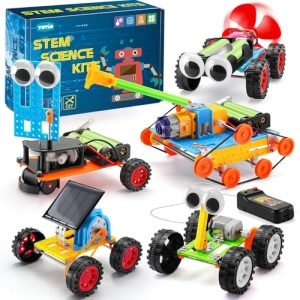
STEM toys challenge your child to think through problems step by step. Instead of giving immediate answers, these toys encourage trial and error, helping kids learn from mistakes. For example, building a simple robot requires figuring out which parts fit together and how to make it move correctly.
Have you noticed how your child reacts when a toy doesn’t work as expected? That moment is a powerful learning opportunity. It teaches persistence and adaptability—two key problem-solving traits.
Boosting Creativity And Curiosity
STEM toys don’t just focus on logic; they also spark imagination. Kids can experiment with different designs or create unique solutions, which feeds their creativity. When your child combines building blocks in new ways or programs a game, they’re exploring ideas and asking “what if?”
Curiosity drives learning, and STEM toys fuel it by offering endless possibilities. What happens if you change this piece? How does altering the code affect the outcome? These questions keep your child engaged and eager to discover more.
Stem Toys Today
STEM toys today blend fun with learning like never before. They help children explore science, technology, engineering, and math through play. These toys encourage creativity, problem-solving, and critical thinking. The designs and features have evolved to match modern educational needs and technology trends.
Integration Of Digital Technology
Many STEM toys now include digital tools. Tablets and apps guide children through experiments and challenges. Coding robots respond to commands, teaching programming basics. Augmented reality adds interactive layers to physical toys. This mix of physical and digital play enhances engagement and learning.
Diversity And Inclusivity In Designs
STEM toys today reflect diverse cultures and abilities. Designers create products that appeal to all genders and backgrounds. Toys show characters from various ethnicities and include accessible features. This approach helps all children feel welcome and inspired. It supports equal opportunities in STEM fields from an early age.

Credit: www.facebook.com
Future Trends In Stem Toys
The future of STEM toys looks bright and full of innovation. These toys will keep evolving to make learning fun and effective. New trends focus on blending technology with education. They aim to prepare children for a world that changes fast.
STEM toys will become more interactive and smart. They will help kids develop skills in science, technology, engineering, and math. These toys will not just teach facts but also encourage creativity and problem-solving.
Emerging Technologies In Play
Technology is shaping the next generation of STEM toys. Toys now include features like:
- Augmented reality to create immersive learning experiences
- Artificial intelligence to adapt challenges to each child’s level
- Robotics kits that allow kids to build and program machines
- 3D printing tools for hands-on creation and design
These technologies make play more engaging. Children learn by doing and experimenting. This hands-on learning helps them understand complex ideas easily.
Global Educational Shifts
Education systems worldwide focus more on STEM skills. Schools encourage critical thinking and creativity through new teaching methods. STEM toys support these changes by:
- Aligning with curriculum goals to reinforce classroom learning
- Encouraging collaboration and teamwork among children
- Offering inclusive designs to reach diverse learners
- Providing tools that prepare kids for future jobs
These shifts mean STEM toys will stay relevant and useful. They will help children gain skills needed for a tech-driven future.
Frequently Asked Questions
Where Did Stem Toys Originate From?
STEM toys originated from the need to promote science, technology, engineering, and math education. They emerged in the late 20th century to make learning interactive and fun. These toys help children develop critical thinking and problem-solving skills through hands-on play.
Why Are Stem Toys Important For Children?
STEM toys encourage curiosity and creativity in children. They help develop essential skills like logical reasoning and teamwork. These toys prepare kids for future careers in science and technology. Plus, they make learning complex subjects enjoyable and accessible.
How Have Stem Toys Evolved Over Time?
STEM toys have evolved from simple puzzles to high-tech kits. Advances in technology introduced robotics, coding, and digital experimentation. Modern STEM toys blend physical and digital play to enhance learning. This evolution keeps kids engaged and improves educational outcomes.
What Age Group Benefits Most From Stem Toys?
STEM toys are designed for children aged 3 to 14 years. Early exposure builds foundational skills in math and science. Older kids use advanced kits for coding and engineering challenges. Toys are tailored to suit different developmental stages and interests.
Conclusion
Stem toys started from the idea of learning through play. They grew from a need to help kids think and solve problems. These toys mix science, tech, engineering, and math in fun ways. Kids use them to build skills and enjoy discovery.
They show how learning can be simple and exciting. Stem toys keep changing to fit today’s world. They help prepare children for the future. So, stem toys are more than just toys—they are tools for growth.