In this guide
Have you ever wondered what gives dolls their charming, lifelike hair? Whether you’re a doll collector, a parent, or just curious, understanding what doll hair is made of can change the way you see these tiny companions.
From silky strands that feel almost real to more durable fibers that withstand hours of play, doll hair comes in a fascinating variety of materials. You’ll discover the secrets behind those beautiful locks—what they’re made from, why manufacturers choose certain materials, and how these choices affect the look and feel of your doll’s hair.
Keep reading, and you’ll never look at doll hair the same way again!
Common Synthetic Fibers
Doll hair is often made from synthetic fibers. These fibers mimic real hair in look and feel. They are easy to style and keep their shape well. Common synthetic fibers include nylon, saran, polypropylene, and kanekalon. Each has unique qualities that suit different doll types.
Nylon Properties And Uses
Nylon is strong and smooth. It resists heat and chemicals. This fiber holds curls and styles well. Nylon hair looks shiny and natural. Many modern dolls use nylon hair. It is easy to brush and very durable. Nylon is also lightweight, making it ideal for dolls.
Saran Characteristics
Saran is soft and silky. It feels very close to human hair. Saran does not tangle easily. It has a natural shine that many collectors like. This fiber is common in vintage dolls. Saran hair can hold styles but is less heat resistant. It is slightly heavier than nylon.
Polypropylene Features
Polypropylene is light and affordable. It has a waxy texture and low shine. This fiber is less flexible than nylon or saran. Many toy companies use polypropylene for budget dolls. It resists moisture and dries quickly. Polypropylene hair is harder to style but stays neat.
Kanekalon Fiber
Kanekalon is a modacrylic fiber. It looks soft and natural. Many hair extensions use kanekalon. This fiber is heat resistant and easy to style. Kanekalon holds curls well and feels smooth. It is often used for dolls needing realistic hair. This fiber also resists tangling and frizz.
Natural Hair Materials
Doll hair can be made from various natural materials. These materials give dolls a unique and authentic look. Natural hair fibers are often softer and more realistic than synthetic ones. They also add a vintage charm to collectible dolls. Below are some common natural hair materials used for dolls.
Mohair From Angora Goats
Mohair is a soft fiber from Angora goats. It is fine and silky, perfect for doll hair. This material gives dolls a gentle shine and smooth texture. Mohair is often used in high-quality, handmade dolls. It feels natural and looks very lifelike.
Mohair is lightweight, which helps the doll’s hair hold its shape. It also takes dye well, allowing many color options. This natural fiber is prized for its durability and softness.
Human Hair In Dolls
Some dolls have hair made from real human hair. This choice creates the most natural appearance. Human hair can be styled, brushed, and washed like real hair. It adds a special touch to collectible and upscale dolls.
Using human hair makes the doll feel more lifelike and personal. This material is rare and usually found in limited edition or handmade dolls. It offers a unique texture that synthetic fibers cannot match.
Plant-based Fibers
Plant fibers come from natural sources like cotton or flax. These materials are less common but still used in some doll hair. Plant-based fibers are soft and can be dyed in many colors. They add a natural, rustic look to dolls.
These fibers are eco-friendly and biodegradable. They are often found in smaller or vintage dolls. Plant fibers give a different texture compared to animal or synthetic hair. They are ideal for those who prefer natural materials in toys.
Historical Hair Materials
Doll hair has evolved over centuries. Early dolls used natural and simple materials. These materials gave dolls a unique charm and texture. Before synthetic fibers, artisans relied on what nature provided. Yarn, twine, and animal fur were common choices. Each material offered different looks and feels.
These historical materials helped shape the art of doll-making. They show the creativity and resourcefulness of past makers. Understanding these materials helps us appreciate doll history better.
Yarn And Twine Usage
Yarn and twine were popular for early doll hair. They were easy to find and work with. Makers twisted yarn or twine to mimic hair strands. This gave dolls a soft and textured look. Yarn came in many colors, adding variety to doll designs.
Twine, made from plant fibers, added rustic charm. It was strong and held styles well. Yarn and twine were often sewn or glued onto doll heads. These materials suited handmade dolls and simple styles.
Animal Fur Applications
Animal fur provided a more lifelike doll hair option. Mohair from Angora goats was prized for its softness. It resembled human hair in texture and shine. Doll makers used mohair for high-quality and collectible dolls.
Other animal furs, such as rabbit or squirrel, were also used. They added softness and realistic appearance. Fur was carefully attached to doll heads for natural flow. This material made dolls feel more special and realistic.
Credit: www.youtube.com
Specialty Doll Hair Types
Specialty doll hair types offer unique textures and qualities. These fibers differ from common synthetic hairs like nylon or saran. Doll makers select specialty fibers for their durability and realistic look. These materials often mimic natural hair better and last longer.
Two popular specialty fibers are acetate and modacrylic. Each has distinct benefits that improve the doll’s appearance and handling. Understanding these fibers helps collectors and makers choose the best hair for their dolls.
Acetate Fiber Benefits
Acetate fibers come from natural plant materials. They feel silky and soft to touch, making doll hair look smooth. The fiber holds color well, so hair stays vibrant over time.
Acetate is heat resistant, allowing gentle styling with low heat. It resists frizz and tangling better than many synthetic options. Dolls with acetate hair often look shinier and more natural.
Modacrylic Fibers
Modacrylic fibers are synthetic but designed to mimic natural hair. They are soft and easy to style, often used in hair extensions and wigs. This fiber is flame resistant, adding safety to the doll’s design.
Modacrylic holds curls and shapes well, making it great for creative doll hairstyles. It resists moisture and chemicals, so the hair stays fresh and manageable. Dolls with modacrylic hair feel more lifelike and durable.
Hair Attachment Techniques
Doll hair attachment is a key step in making dolls look lively and realistic. The method used affects how the hair feels, moves, and lasts. Different techniques suit different types of doll hair and designs. Understanding these methods helps appreciate the craft behind doll making.
Rooting Methods
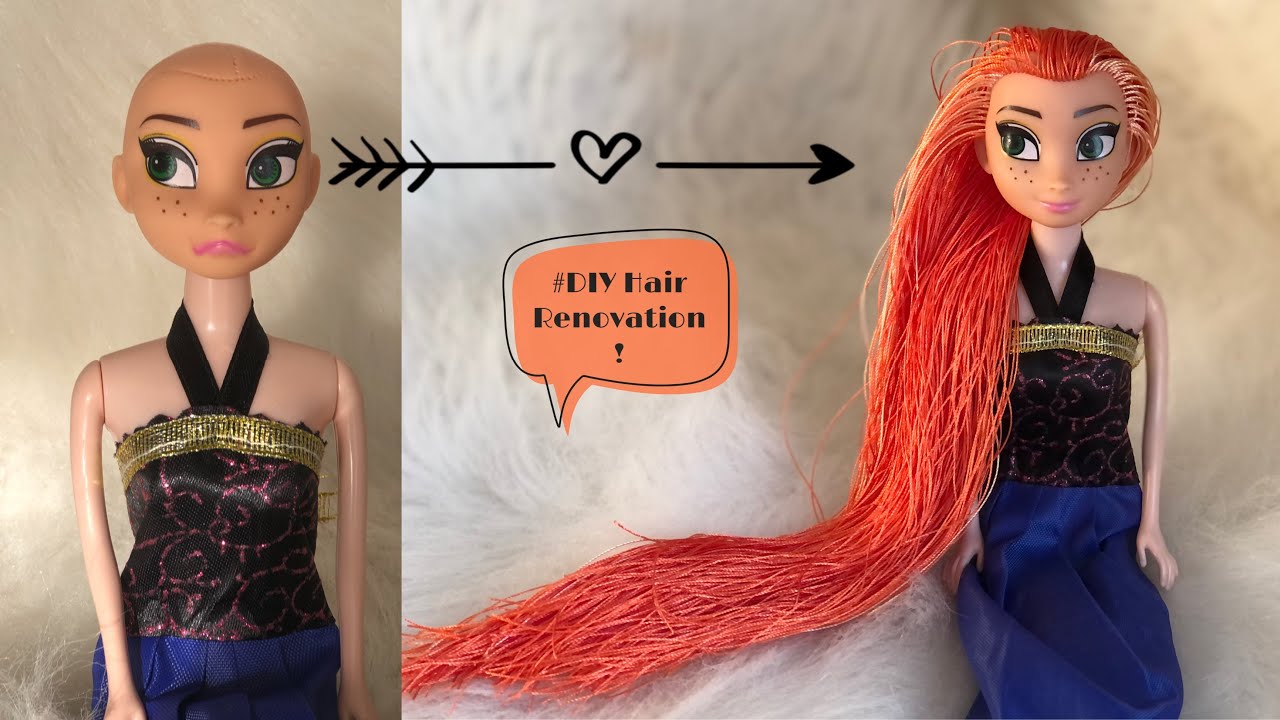
Rooting is a popular technique for attaching hair to dolls. Tiny holes are made in the doll’s scalp. Then, individual strands or small groups of hair are pushed into these holes. This method gives a natural hair growth look. Rooted hair feels soft and can be styled easily. It is common in high-quality and collectible dolls. Rooting requires patience and skill but results in a durable finish.
Gluing And Knotting
Gluing is a faster way to attach hair. Hair wefts or bundles are glued directly onto the doll’s head. This method works well for synthetic hair or wigs. It is less time-consuming than rooting. However, glued hair may not last as long. Knotting involves tying hair strands onto the doll’s scalp or wig cap. This method creates a secure hold. Knotting is often used with natural fibers or yarn hair. Both methods allow for various hair styles and textures.

Credit: www.pincutsewstudio.com
Care And Maintenance Tips
Taking care of doll hair keeps it looking fresh and beautiful. Proper care prevents damage and extends the life of the doll’s hair. Different materials need specific handling to maintain softness and shine. Following simple maintenance tips helps avoid tangles and frizz.
Untangling Synthetic Hair
Synthetic doll hair often tangles easily. Use a wide-tooth comb or a soft brush. Start combing from the ends gently to avoid breakage. Hold the hair near the scalp to reduce tension. Work through knots slowly and patiently. Avoid pulling hard as it can cause hair loss. For stubborn tangles, apply a small amount of water or fabric softener diluted with water. Let the hair dry naturally after detangling. Regular gentle combing prevents future mats and snarls.
Styling And Cleaning
Use cool water to wash synthetic doll hair. Apply mild shampoo or soap and rinse thoroughly. Avoid hot water, which can melt synthetic fibers. Pat hair dry with a towel, do not rub. Let the hair air dry completely before styling. Style with fingers or a soft brush only. Avoid heat tools like curling irons or blow dryers. For better hold, use small amounts of water or leave-in conditioner made for synthetic hair. Store dolls in a dust-free place to keep hair clean and tangle-free.
Materials In Collectible And Handmade Dolls
Collectible and handmade dolls often feature unique hair materials that differ from mass-produced dolls. These dolls use a variety of fibers to create authentic and appealing looks. The choice of material affects the doll’s style, texture, and durability. Craftspersons select fibers carefully to enhance each doll’s charm and character.
Use Of Natural Fibers
Natural fibers bring a lifelike quality to doll hair. Mohair, from Angora goats, is a popular choice for its softness and shine. It creates a realistic appearance and feels gentle to touch. Human hair is sometimes used for high-end dolls. This gives a truly authentic look and texture. Cotton and other plant fibers appear in vintage or handmade dolls. These fibers offer a rustic and unique style. Natural fibers require careful handling but add great value to collectible dolls.
Custom Hair Choices
Handmade dolls often feature custom hair made from various materials. Yarn and twine provide colorful and textured options. Modacrylic fibers, like Kanekalon, mimic natural hair and are easy to style. Saran and nylon are synthetic fibers chosen for durability and shine. These fibers hold curls and braids well. Artists mix fibers to achieve the perfect look. Custom hair allows each doll to express a unique personality and charm.

Credit: dollyhair.com
Frequently Asked Questions
What Is Doll Hair Made Of?
Doll hair is usually made from synthetic fibers like nylon, saran, polypropylene, and Kanekalon. Some use natural fibers such as mohair or human hair for realism. Plant-based acetate fibers also appear in some doll hair types. These materials offer durability and a lifelike appearance.
What Is American Doll Hair Made Of?
American Girl doll hair is made of high-quality synthetic fibers, primarily nylon and saran. These materials offer softness, durability, and a natural look.
Is Doll Hair Human Hair?
Doll hair is usually synthetic, made from nylon, saran, or polypropylene fibers. Some high-end dolls use real human hair.
Is Barbie Doll Hair Plastic?
Barbie doll hair is made from synthetic plastics like nylon, saran, and polypropylene. It is not real hair but designed to mimic natural hair texture.
Conclusion
Doll hair comes from many different materials. Most often, manufacturers use synthetic fibers like nylon, saran, or polypropylene. These fibers look smooth and last a long time. Some dolls use special fibers like Kanekalon for a soft, natural feel. Older or handmade dolls might have mohair or even real human hair.
Each type of hair gives dolls a unique look and texture. Knowing the materials helps you choose the right doll for your needs. Doll hair is a small detail that adds charm and character.