In this guide
Have you ever wondered what Barbie doll hair is actually made of? If you’ve spent time styling or restoring Barbie’s iconic locks, you might have noticed how different her hair feels compared to real human hair.
Understanding the materials behind Barbie’s hair can change the way you care for it and even inspire new creative hairstyles. You’ll discover the secret world of synthetic fibers like Saran, nylon, and polypropylene—the building blocks of Barbie’s hair. Ready to uncover what makes Barbie’s hair so unique and how it affects durability and style?
Keep reading to learn all about the fascinating science and craft behind those silky strands!

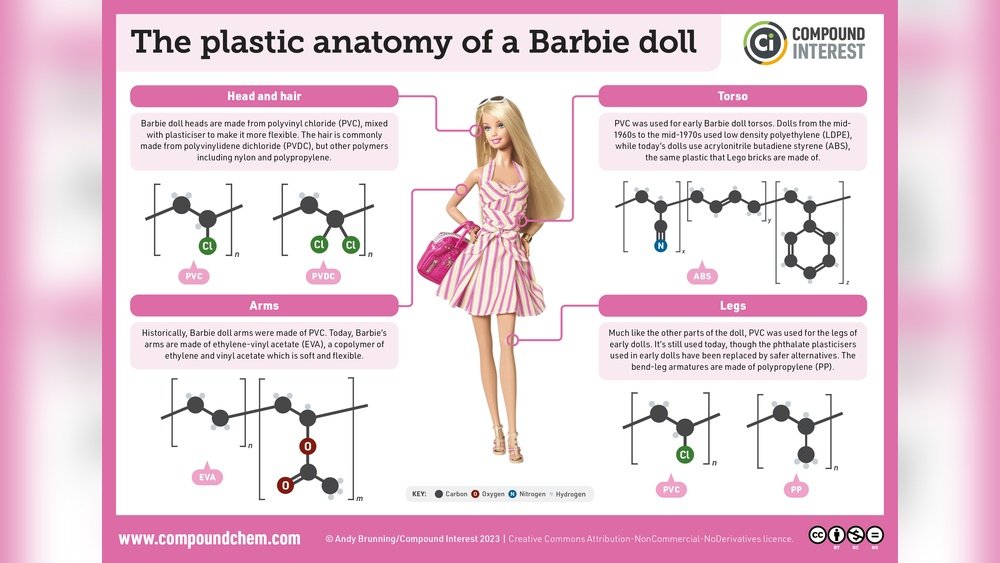
Credit: www.compoundchem.com
Barbie Hair Materials
Barbie dolls have hair made from different synthetic fibers. These fibers give Barbie her shiny, styled look. Each fiber type has unique qualities. Some feel soft and smooth. Others are more durable or easier to style. The choice of material depends on the doll’s design and price.
Understanding these materials helps collectors and fans care for their dolls better. It also explains why some Barbie hair looks and feels different. Let’s explore the main fibers used in Barbie hair.
Saran Fiber
Saran fiber was popular for Barbie hair for many years. It is smooth and shiny. Saran hair can hold heat well for styling. It resists tangling and frizz better than some other fibers. However, it can feel a bit stiff after heat styling.
Nylon Fiber
Nylon is a strong synthetic fiber used in Barbie hair. It has a soft texture and natural shine. Nylon hair is easy to style and comb. Over time, it may become frizzy or lose its shine. Many collectors prefer nylon for its durability.
Polypropylene Fiber
Polypropylene is a budget-friendly fiber for Barbie hair. It feels rougher and drier than nylon or Saran. This fiber can be less flexible and harder to style. It is often used in dolls with bright or unusual hair colors. Polypropylene hair is less common in high-end Barbie dolls.
Kanekalon Fiber
Kanekalon is a soft, silky fiber used in some dolls. It is known for its smooth, natural look. Kanekalon hair is easy to style and holds curls well. This fiber is popular for dolls with textured or curly hair. It offers a realistic feel compared to other synthetics.
Properties Of Barbie Hair
Barbie dolls’ hair is made from special synthetic fibers designed to look and feel like real hair. These fibers give Barbie’s hair unique qualities. Each type of fiber affects how the hair behaves and lasts over time. Understanding these properties helps explain why Barbie’s hair looks so distinct and can be styled in many ways.
The main fibers used include Saran, nylon, and polypropylene. Each has different strengths and textures. These materials make Barbie’s hair both durable and flexible. Let’s explore the key properties of Barbie hair.
Durability
Barbie hair is made to last through many play sessions. Saran hair is strong and resists tangling. Nylon offers good durability but can frizz after rough handling. Polypropylene is less durable and may break or wear faster. Overall, synthetic fibers keep Barbie’s hair intact for a long time.
Texture And Feel
Saran hair feels smooth and silky but can be stiff after heat styling. Nylon hair is softer but may get fuzzy with use. Polypropylene has a rougher, drier texture. These textures affect how the hair moves and feels to touch. The smoothness makes Barbie hair pleasant to run fingers through.
Color Variations
Barbie hair comes in many colors and shades. Synthetic fibers take dye well, allowing bright and vibrant colors. Saran fibers hold color deeply and last longer. Nylon offers a wide range of colors but can fade slightly. Polypropylene is used for some bright or pastel tones but may lose color faster.
Styling Capabilities
Barbie hair can be styled in many ways. Saran hair handles heat styling like curling or straightening but can be damaged by high heat. Nylon hair is flexible and can be brushed and shaped easily. Polypropylene hair is harder to style and may not hold styles well. These properties allow kids to create endless hairstyles.
Manufacturing Process
The manufacturing process of Barbie dolls’ hair involves careful steps to create lifelike and durable hair. Each stage ensures the hair looks natural and stays in place for play and styling. The process starts with selecting the right synthetic fibers. Then, hair strands are rooted into the doll’s scalp with precision. Finally, quality checks maintain high standards for every doll.
Fiber Selection
Choosing the right fiber is the first step. Barbie hair is usually made from synthetic fibers like Saran, nylon, or polypropylene. Saran feels smooth and shiny but can be sensitive to heat. Nylon is strong and holds styles well but may frizz over time. Polypropylene is less expensive and used for budget dolls, but it feels rougher. Each fiber type is picked based on the doll’s design and price point.
Hair Rooting Techniques
Hair rooting means attaching strands to the doll’s head. This is done by machines that insert small groups of fibers into tiny holes on the scalp. The process must be exact to avoid loose hair and ensure even coverage. Rooting machines work fast and place hair strands tightly. Skilled workers supervise to keep the hair pattern consistent and natural-looking.
Quality Control
Quality control is key to making sure every doll’s hair meets standards. Inspectors check for missing patches and uneven hair density. They also test how well the hair holds styles and resists tangling. Any doll with defects is removed from the production line. This step guarantees customers receive dolls with strong, soft, and realistic hair.

Credit: www.youtube.com
Differences Among Doll Lines
Barbie dolls come in many different lines, and their hair varies between these versions. The type of hair used depends on the doll’s category, price, and era. This section explains the key differences in Barbie doll hair across various lines. Understanding these differences helps collectors and fans know what to expect from each doll.
Premium Vs Budget Dolls
Premium Barbie dolls usually have hair made from high-quality synthetic fibers. Saran and nylon are common in these dolls. These materials offer a smooth texture and hold styles well. Budget dolls often use polypropylene hair. This fiber is cheaper but can feel rough and less durable. Premium doll hair tends to last longer and looks more natural.
Vintage Vs Modern Barbie Hair
Vintage Barbie dolls often feature Saran hair. This fiber was popular in the 1960s and 1970s. It feels silky but can be sensitive to heat. Modern Barbie dolls use a mix of nylon and other synthetics. Nylon is tougher but may frizz with time. The shift in materials reflects changes in manufacturing and styling trends.
Special Edition Hair Types
Special edition Barbies sometimes use unique or blended hair fibers. These dolls might have Kanekalon or other specialty fibers. Kanekalon is soft and designed to mimic real hair better. Some special editions have multi-textured hair for a more realistic look. These choices make special edition dolls stand out in collections.
Care And Maintenance
Proper care and maintenance keep Barbie doll hair looking fresh and beautiful. Synthetic fibers like Saran, nylon, and polypropylene need gentle handling. Regular cleaning, detangling, and styling help preserve the hair’s texture and shine. Avoid harsh chemicals or heat, which can damage the fibers. Storing dolls correctly also prevents tangling and frizz.
Restoring Doll Hair
Start by soaking the hair in warm water with mild shampoo. Gently comb through tangles using a wide-tooth comb. For frizzy hair, apply a small amount of fabric softener and rinse well. Let the hair air dry naturally, avoiding heat sources. Repeat treatments for badly tangled or damaged hair.
Common Hair Problems
Tangles and frizz are the most frequent issues. Hair can also become dull or sticky over time. Static electricity causes flyaways, especially in dry environments. Excessive brushing may lead to hair loss or thinning. Identifying the type of synthetic fiber helps choose the right care method.
Diy Styling Tips
Use small rollers or straws to create curls. Cool water sets styles better than hot water. Avoid metal tools that can pull or cut hair fibers. Trim split ends carefully with sharp scissors. Simple braids or ponytails keep hair neat and reduce tangles during play or storage.
Environmental Impact
Barbie dolls’ hair is made from synthetic fibers, which affect the environment in many ways. These fibers do not break down easily, causing waste to build up in landfills. The production and disposal of this hair can contribute to pollution and resource depletion.
Understanding the environmental impact helps us think about better choices for toys and materials. Exploring how synthetic fiber waste is managed, recycling options, and sustainable alternatives is important for reducing harm to nature.
Synthetic Fiber Waste
Barbie hair is mostly made from plastics like nylon and Saran. These materials do not decompose quickly. When thrown away, they stay in landfills for hundreds of years. This creates a large amount of synthetic fiber waste. The waste can also enter oceans and harm wildlife.
Recycling Possibilities
Recycling synthetic fibers from dolls is difficult but possible. These fibers need special machines to break them down. Currently, few recycling centers accept doll hair. Increasing recycling efforts can reduce waste and pollution. Research is ongoing to find better ways to recycle toy materials.
Sustainable Alternatives
Some companies explore natural or biodegradable fibers for doll hair. Materials like cotton, wool, or plant-based fibers can replace plastics. These alternatives break down faster and reduce pollution. Using sustainable fibers can lower the environmental footprint of toys. Consumers can support brands that choose eco-friendly materials.

Credit: dollyhair.com
Frequently Asked Questions
What Is Barbie’s Hair Made Of?
Barbie’s hair is made of synthetic fibers like Saran, nylon, and polypropylene. Saran and nylon offer higher quality and durability. Polypropylene appears in budget dolls but feels rougher. These materials allow styling and maintain the doll’s iconic look.
Is Barbie Doll Hair Plastic?
Barbie doll hair is made from synthetic fibers like Saran, nylon, and polypropylene. These materials are plastic-based, not real hair.
What Material Is Used For Doll Hair?
Doll hair commonly uses synthetic fibers like Saran, nylon, polypropylene, and Kanekalon. These materials offer durability and realistic texture.
What Is Kanekalon Doll Hair?
Kanekalon doll hair is a soft, synthetic fiber often used for doll wigs. It mimics natural hair texture and is easy to style.
Conclusion
Barbie doll hair uses different synthetic fibers like Saran, nylon, and polypropylene. Each fiber offers unique texture and durability for play and styling. Saran feels smooth but can be sensitive to heat. Nylon is strong but may frizz over time.
Polypropylene is less soft but cost-effective for some dolls. Knowing these materials helps understand Barbie’s hair quality and care. This insight makes playing with Barbie more fun and meaningful.