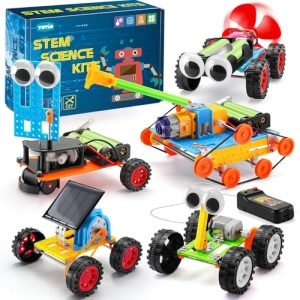

In this guide
Are you wondering if stem toys are a good fit for kids with sensory issues? You’re not alone.
Finding the right toys that both engage and support your child’s unique needs can be challenging. Imagine a toy that sparks creativity, encourages learning, and helps ease sensory overload all at once. Sounds too good to be true? Keep reading to discover how stem toys might just be the perfect match for your child’s development and fun.
Credit: health.clevelandclinic.org
Sensory Issues In Children
Understanding sensory issues in children is crucial for fostering a supportive environment. These challenges affect how a child processes the world around them. For some, everyday sounds and textures can feel overwhelming.
Common Sensory Challenges
Sensory challenges vary from child to child. Some may be hypersensitive to noise, while others might avoid certain textures. You might notice a child covering their ears in response to loud sounds or refusing to wear certain types of clothing.
There’s often a struggle with balancing sensory input. A child may experience difficulty in crowded places, preferring quieter, less stimulating environments. This can lead to avoiding social situations or activities they might otherwise enjoy.
Impact On Learning And Play
Sensory issues can significantly impact learning and play. Children may find it hard to focus in a noisy classroom, affecting their ability to absorb information. The sensory overload can lead to frustration, making learning less enjoyable.
Play, a critical part of childhood development, can be affected too. Sensory challenges might limit participation in group activities or sports. However, introducing stem toys can provide a controlled, engaging way to explore and learn.
Have you noticed sensory challenges impacting your child’s playtime or learning? It’s worth considering stem toys as a solution, offering both fun and educational benefits.
Benefits Of Stem Toys
STEM toys offer many benefits, especially for kids with sensory issues. These toys help children explore science, technology, engineering, and math in a hands-on way. They make learning fun and interactive, which keeps kids engaged. Using STEM toys can support development in several key areas. They encourage thinking, creativity, and skills that children use every day.
Enhancing Cognitive Skills
STEM toys challenge children to think carefully and solve problems. They help improve memory and attention. Kids learn to recognize patterns and understand cause and effect. These toys support logical thinking and reasoning. Playing with STEM toys builds brain connections. It also helps children focus better on tasks. This is especially helpful for kids with sensory issues who may struggle with concentration.
Encouraging Creativity And Problem Solving
STEM toys inspire children to use their imagination. They allow kids to build, design, and experiment. This freedom sparks creative ideas and innovation. Children learn to test different solutions and learn from mistakes. They develop skills to solve problems in new ways. These toys promote trial and error, which boosts confidence. Kids gain a sense of achievement when they complete a project. This encourages them to keep exploring and learning.
Stem Toys For Sensory Needs
STEM toys can be very helpful for children with sensory needs. These toys combine learning with hands-on play. They help kids explore science, technology, engineering, and math. At the same time, they support sensory integration. Sensory-friendly STEM toys are designed to engage different senses gently. They provide a safe and fun way to develop skills.
Types Of Sensory-friendly Stem Toys
- Building blocks with varied textures for tactile stimulation
- Magnetic sets that encourage fine motor skills
- Light-up puzzles that engage visual senses
- Water-based science kits for calming sensory input
- Sound-producing machines with adjustable volume
- Flexible modeling compounds for hand strength and touch
- Robotics kits with simple, repetitive motions
How These Toys Support Sensory Integration
Sensory-friendly STEM toys help children process information through touch, sight, and sound. They encourage focus and calm by offering controlled sensory input. Kids learn to coordinate their movements and reactions. This practice improves their ability to handle everyday sensory experiences. The toys also build problem-solving skills through interactive play. Repeated use helps the brain adapt and organize sensory signals better. Overall, they create a positive learning space tailored to unique needs.
Choosing The Right Stem Toys
Choosing the right STEM toys for kids with sensory issues requires careful thought. These toys must support learning and comfort. The right choice can help children explore science, technology, engineering, and math without feeling overwhelmed.
Parents and educators should focus on the child’s unique sensory needs. Toys that are too loud, bright, or complex can cause distress. Selecting toys that match the child’s abilities encourages confidence and curiosity.
Factors To Consider For Sensory Sensitivities
- Check the texture of the toy. Soft or smooth materials may be better.
- Avoid toys with harsh lights or loud sounds that might startle.
- Look for toys that allow control over sensory input, like adjustable volume or light settings.
- Choose toys that engage multiple senses gently, such as tactile and visual elements combined.
- Consider how the toy moves or vibrates. Some children prefer steady motion over sudden movements.
Age-appropriate And Skill-level Matching
- Match the toy’s difficulty to the child’s age and skills.
- Simple puzzles and building blocks suit younger children or beginners.
- Older kids may enjoy kits that involve more steps or tools.
- Ensure instructions are easy to follow and clear.
- Toys should challenge but not frustrate the child’s abilities.
Practical Tips For Using Stem Toys
Using STEM toys with kids who have sensory issues requires thoughtful planning. These toys can offer great learning but may also overwhelm some children. Practical tips help make playtime fun, safe, and effective. Creating the right environment and fitting STEM play into daily life supports positive experiences.
Creating A Supportive Play Environment
Choose a quiet, calm space for STEM activities. Reduce background noise and visual distractions. Soft lighting helps children focus better. Keep the area tidy and organized to avoid stress.
Allow children to explore toys at their own pace. Offer breaks if they feel overwhelmed. Have sensory tools nearby, like fidget toys or weighted blankets. These aids help children stay calm and engaged.
- Use comfortable seating that supports posture.
- Limit the number of toys available at once.
- Encourage gentle touch and careful handling of materials.
Incorporating Stem Play Into Daily Routines
Include STEM activities during regular times, like after school or before dinner. Consistency helps children know what to expect. Short, frequent sessions work better than long ones.
Use everyday moments for STEM learning. Cooking can teach measuring and mixing. Building blocks during playtime develop problem-solving skills. Nature walks inspire curiosity about science and math.
- Set simple goals for each session.
- Celebrate small achievements to boost confidence.
- Adapt activities based on the child’s mood and energy.

Credit: www.tiktok.com
Success Stories And Case Examples
Success stories and case examples reveal how STEM toys help children with sensory issues. These stories show real benefits beyond theory. They highlight growth in skills and confidence. Parents and educators share their observations. Children engage deeply with STEM activities. The results often surprise those involved. Sensory challenges do not stop learning or fun.
Real-life Experiences With Stem Toys
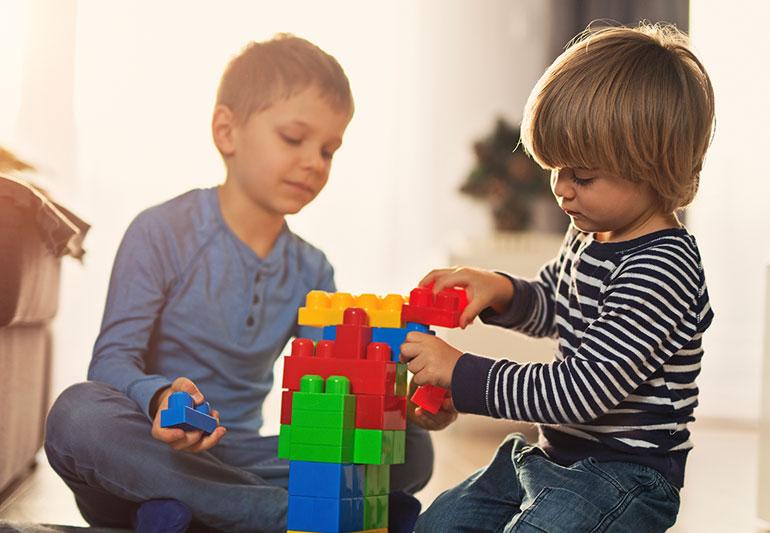
Many parents report positive changes after introducing STEM toys. One child with sensory processing disorder found calm through building blocks. The tactile feeling helped focus and reduced anxiety. Another child used coding kits to improve problem-solving skills. The hands-on approach kept distractions away. Teachers noticed improved attention spans in classroom settings. Children expressed joy and pride in their work. These real-life stories demonstrate the value of STEM play.
Observed Improvements In Learning And Behavior
STEM toys encourage exploration and creativity in children with sensory needs. Observations include:
- Better hand-eye coordination
- Increased patience and persistence
- Improved social interaction during group play
- Enhanced communication skills through teamwork
- Reduced sensory overload by focusing on tasks
Teachers and therapists note calmer behavior after STEM activities. Children often show more confidence in trying new tasks. These improvements support overall development. They prove STEM toys can be helpful tools for sensory challenges.

Credit: www.sensoryoasisforkids.com.au
Frequently Asked Questions
Do Kids With Sensory Issues Benefit From Stem Toys?
Yes, STEM toys help kids with sensory issues improve focus and motor skills. They provide hands-on learning that engages multiple senses. This promotes cognitive development and sensory integration in a fun, interactive way.
Which Stem Toys Are Best For Sensory-sensitive Children?
Tactile, visual, and auditory STEM toys work best. Examples include building blocks, light-up kits, and sound-based puzzles. These toys stimulate senses without overwhelming, making them ideal for sensory-sensitive kids.
How Do Stem Toys Support Sensory Processing Development?
STEM toys encourage exploration and problem-solving, helping kids regulate sensory input. They improve fine motor skills and hand-eye coordination. This supports better sensory processing and reduces sensory overload.
Can Stem Toys Improve Social Skills In Sensory-sensitive Kids?
Yes, STEM toys promote teamwork and communication during play. Collaborative STEM activities help kids practice social interaction in a structured, supportive environment. This boosts confidence and social skills.
Conclusion
Kids with sensory issues can benefit from STEM toys in many ways. These toys help develop focus, coordination, and problem-solving skills. They offer hands-on learning that suits different sensory needs. Parents and teachers see positive changes in children’s engagement and confidence.
Choosing the right toy matters for each child’s unique preferences. STEM toys create fun chances to explore and learn. They support growth in a gentle and enjoyable way. Sensory-friendly STEM toys make learning playful and helpful. A simple tool, yet powerful for many kids.