
In this guide
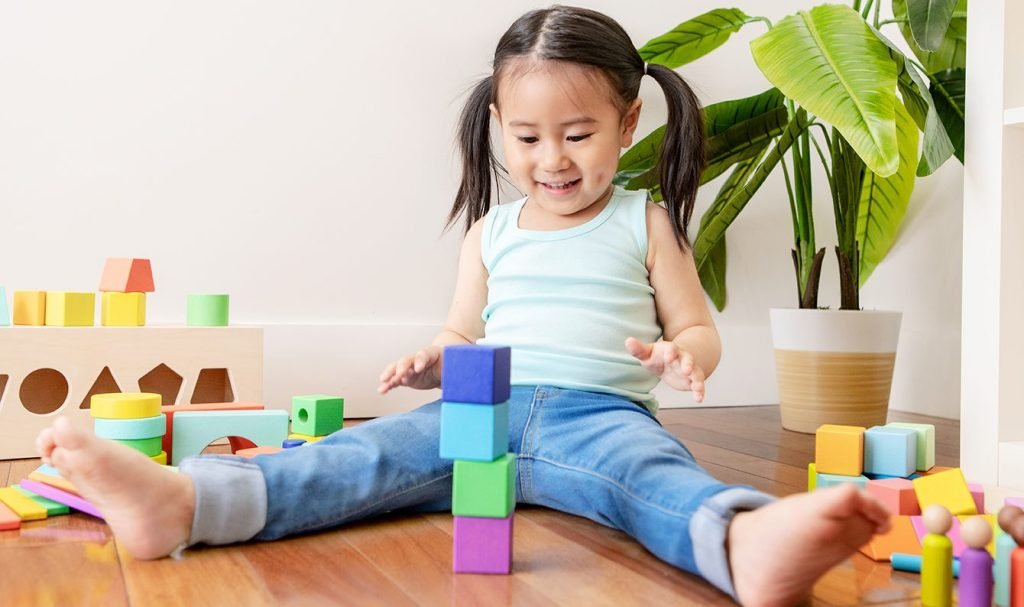
Have you ever noticed how building toys can grab your attention for hours? These simple tools do more than just entertain—they spark your creativity and challenge your problem-solving skills.
When you play with building blocks, you’re actually training your brain in science, technology, engineering, and math—often called STEM. Imagine turning playtime into a powerful way to boost your critical thinking and innovation. Keep reading to discover how building toys can unlock your potential and make learning exciting.

Credit: www.amazon.com
The Role Of Building Toys In Early Learning
Building toys play a crucial role in early learning by sparking curiosity and encouraging hands-on exploration. They offer children a chance to experiment, create, and learn through play. This active engagement helps lay a strong foundation for STEM skills that children will use throughout their lives.
Development Of Problem-solving Skills
When your child builds with blocks or construction sets, they face challenges that require thoughtful solutions. Each attempt to connect pieces correctly or balance structures pushes them to think critically. Have you noticed how children try different approaches until they find what works? This trial-and-error process sharpens their ability to solve problems independently.
Building toys also teach patience and persistence. Your child learns that some problems don’t have immediate answers and that exploring multiple options is part of learning. This mindset is essential for tackling complex STEM challenges later on.
Enhancing Spatial Awareness
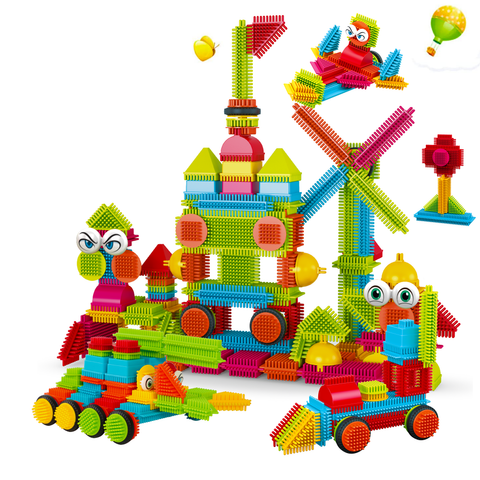
Spatial awareness is the ability to understand how objects fit and move in space, and building toys help develop this skill naturally. When kids stack blocks or assemble shapes, they visualize how pieces relate to one another. This hands-on activity improves their ability to picture objects from different angles, a key skill in fields like engineering and architecture.
Try asking your child to build a model from a picture or replicate a design you create. This exercise strengthens their spatial reasoning and attention to detail. How often do you encourage your child to imagine the final shape before starting to build? It’s a simple practice that boosts mental mapping skills.
Credit: contixo.com
Building Toys And Stem Education
Building toys offer more than just fun—they serve as powerful tools in STEM education. By engaging with these toys, you can develop essential skills that form the foundation of science, technology, engineering, and math. They provide hands-on experience that makes abstract concepts easier to grasp and remember.
Promoting Logical Thinking
When you start building with blocks or construction sets, you naturally begin to think logically. You figure out which pieces fit together and in what order. This process sharpens your problem-solving skills and helps you plan ahead.
Have you noticed how you test different approaches when your first try doesn’t work? That trial-and-error method is a core part of logical thinking. It encourages you to analyze what went wrong and adjust your strategy.
Understanding Basic Engineering Principles
Building toys introduce you to key engineering ideas like balance, stability, and structure. You learn why certain shapes hold up better or how weight distribution affects your creation. These lessons come alive as you experiment and see real results.
Think about stacking blocks higher or creating bridges with toy pieces. You’re practicing concepts engineers use every day. This hands-on exposure can spark curiosity about how things are designed and built in the real world.
Creativity Through Construction
Building toys offer a hands-on way to boost creativity through construction. They invite you to experiment, solve problems, and bring your ideas to life piece by piece. This process sharpens your ability to think outside the box while working within the physical limits of the materials.
Encouraging Imagination
When you pick up building toys, the first step is imagining what you want to create. These toys don’t come with fixed instructions, so you’re free to dream up anything—from simple houses to complex machines.
As you imagine, you practice visualizing spatial relationships and potential outcomes. Have you noticed how your mind starts to picture shapes fitting together or structures balancing before you even start building?
This mental rehearsal improves your ability to think in 3D, a key skill in many STEM fields like engineering and architecture.
Designing Unique Structures
Once you have an idea, the next challenge is turning it into a physical structure. This requires planning, trial, and error. You might build a tower that falls or a bridge that doesn’t hold weight—but each mistake teaches you something valuable.
Designing unique structures pushes you to test different approaches, strengthening your problem-solving skills. How often do you find yourself adjusting a piece or rethinking your design to make it stronger or more stable?
By experimenting with different configurations, you learn about balance, symmetry, and geometry—all while creating something original that reflects your creative thinking.

Credit: www.lottie.com
Innovation And Experimentation
Innovation and experimentation are at the heart of STEM learning, and building toys provide a hands-on way to explore these concepts. They invite you to test ideas, adjust designs, and discover solutions through active play. This process not only sparks creativity but also builds critical problem-solving skills you’ll use beyond the toy itself.
Trial And Error Learning
Trial and error is a powerful way to learn, especially with building toys. When your first design doesn’t work, you naturally ask why and try again. This cycle teaches resilience and sharpens your analytical thinking.
For example, while building a bridge with blocks, you might notice it collapses under weight. Instead of giving up, you tweak the structure—maybe by adding supports or changing the shape—until it holds. This hands-on trial and error is a direct path to understanding engineering principles.
Fostering Scientific Inquiry
Building toys encourage you to ask questions and seek answers, much like a scientist. You experiment with different materials, shapes, and mechanics to see what works best.
Think about how you might test which shape rolls fastest or which design can hold the most weight. This process of hypothesizing, testing, and observing mirrors real scientific inquiry and helps develop critical thinking.
How can you turn your next building project into a mini science experiment? Try changing one variable at a time and observe the results. This approach makes learning interactive and deeply personal.
Collaborative Learning With Building Toys
Collaborative learning through building toys creates a dynamic environment where children engage with peers to solve problems together. This hands-on interaction nurtures essential STEM skills while encouraging social development. By working side by side, kids learn to combine their strengths and ideas, enhancing both their technical abilities and interpersonal skills.
Teamwork And Communication
Building toys naturally prompt children to work as a team. They must discuss plans, divide tasks, and support each other to complete a project.
Clear communication becomes essential. You’ll notice kids explaining their ideas, asking questions, and giving feedback.
This process strengthens their ability to convey thoughts effectively and listen actively. Have you observed how even simple building tasks can spark detailed conversations among children?
Sharing Ideas And Solutions
When kids share ideas while building, they learn to appreciate different perspectives. One child’s approach may inspire another to try a new technique.
This exchange encourages creativity and critical thinking. Children experiment with various solutions, learning that there’s often more than one way to succeed.
Encourage your children to voice their ideas openly during play. It helps them build confidence and understand the value of collaboration in solving complex problems.
The Future Of Building Toys In Stem
The future of building toys in STEM is bright and full of promise. These toys are evolving to match the needs of modern education. They encourage creativity, critical thinking, and problem-solving skills. As technology advances, building toys will play a bigger role in teaching STEM concepts.
Technological Integration
Building toys are combining with new technologies like robotics and coding. This helps kids learn programming while they play. Sensors, motors, and apps make the experience interactive and fun. Technology makes it easier to understand complex STEM ideas. It also prepares children for future tech jobs.
Adapting To Educational Trends
Educational methods are changing to focus more on hands-on learning. Building toys fit perfectly with this trend. They support teamwork and communication skills in group projects. Toys now reflect real-world problems to solve. Schools use these toys to teach math, science, and engineering in practical ways.
Frequently Asked Questions
How Do Building Toys Enhance Stem Skills In Children?
Building toys develop problem-solving, creativity, and critical thinking skills. They encourage hands-on learning in science, technology, engineering, and math. Kids learn spatial awareness and basic engineering concepts while playing, fostering a strong STEM foundation in an engaging way.
What Age Group Benefits Most From Building Toys?
Children aged 3 to 12 gain the most from building toys. Early exposure improves fine motor skills and cognitive development. Older kids enhance complex problem-solving and engineering understanding, making these toys suitable for a wide developmental range.
Can Building Toys Improve Teamwork And Communication?
Yes, building toys promote collaboration and communication. Group play encourages sharing ideas and planning together. These social skills are vital for STEM careers and improve children’s ability to work effectively in teams.
Are Building Toys Useful For Teaching Math Concepts?
Building toys help visualize math concepts like geometry, measurement, and symmetry. They provide practical experience with shapes and patterns, making abstract math ideas easier to understand and apply in real-life situations.
Conclusion
Building toys help children learn important STEM skills every day. They encourage creativity and problem-solving naturally. Kids enjoy exploring how things fit and work together. These toys make learning fun and hands-on. They build confidence while teaching science and math basics.
Playing with building toys sparks curiosity and imagination. Skills gained now can help in school and future jobs. Simple play can lead to great learning moments. Choose toys that challenge and inspire your child. The benefits last long beyond just playtime.