
Are you looking for a fun and simple project that you can build with your own hands? Imagine creating a cool wooden toy car ramp that your kids will love playing with again and again.
This isn’t just any ramp—it’s a chance to bring excitement, learning, and creativity into your home. In this guide, you’ll discover easy steps to build a sturdy and safe toy car ramp out of wood. Whether you’re a beginner or have some experience, you’ll find tips that make the process smooth and enjoyable.
Keep reading, and by the end, you’ll have a fantastic toy car ramp ready to zoom into action!

Credit: www.amazon.ca
Materials Needed
Before you start building your toy car ramp, it’s important to gather all the right materials. Having everything ready will make the process smoother and more enjoyable. Plus, using quality supplies ensures your ramp will be sturdy and fun for a long time.
Wood Types And Sizes
Choose wood that is easy to work with and safe for kids. Pine boards are a great option because they are affordable and lightweight. A good starting point is a plank around 1 inch thick, 6 inches wide, and 3 feet long.
Think about the size of the ramp you want. Would a longer ramp give your toy cars more speed? Or maybe a wider board to keep cars from falling off?
Tools Required
You’ll need a few basic tools to shape and join the wood pieces. A handsaw or jigsaw helps you cut the wood to the right size. Sandpaper smooths out rough edges, preventing splinters.
Don’t forget a drill or screwdriver for assembling the parts together. If you don’t have a drill, small nails and a hammer can also work, but be careful with safety.
Fasteners And Adhesives
Wood screws are ideal for holding the ramp together firmly. They provide a better grip than nails and are easier to remove if you want to adjust your ramp later. Use wood glue along with screws to strengthen the joints even more.
Have you considered how often the ramp will be moved or adjusted? If it’s a permanent setup, screws and glue are perfect. For temporary builds, clamps or velcro strips might come in handy.
Finishing Supplies
Sanding the wood well is key, but finishing touches matter too. Non-toxic paint or sealant can protect the wood and add color that excites kids. Make sure any finish you choose is safe for children’s toys.
Would you like to personalize the ramp with fun designs? Simple stencils and kid-friendly paint can turn your project into a creative adventure.
Choosing The Right Wood
Choosing the right wood is key for building a sturdy toy car ramp. The wood needs to be strong but easy to work with. Safety matters too, especially for kids. Picking wood that is smooth and free of splinters helps avoid accidents. Also, the wood should resist bending or breaking under the weight of cars.
Some woods are better suited for this project than others. Knowing the types of wood and their qualities makes the building process smoother. It saves time and effort and results in a ramp that lasts longer.
Hardwood Vs. Softwood
Hardwood is strong and durable. It can handle more weight and wear well over time. Examples include oak, maple, and birch. Softwood like pine or cedar is lighter and easier to cut. Softwood is less expensive but may dent or scratch more easily.
For a toy car ramp, hardwood offers more stability. Softwood works if the ramp is small or used gently.
Wood Thickness And Size
Thickness affects strength. Thicker wood holds more weight without bending. For ramps, wood should be at least ¾ inch thick. Larger pieces reduce the need for many joints. Fewer joints mean fewer weak spots.
Surface Smoothness
A smooth surface lets toy cars roll faster and safer. Sand the wood well before building. Avoid rough or splintered boards. Sanding removes sharp edges and rough patches. It also improves the look and feel of the ramp.
Wood Treatment And Safety
Untreated wood is safest for children’s toys. Chemicals or paints can be harmful if not child-safe. Use natural or non-toxic finishes if sealing the wood. Keep the ramp dry to prevent warping and mold.
Designing The Ramp
Designing the ramp is a crucial step that sets the foundation for your toy car project. It determines how smoothly the car will roll and how exciting the playtime will be. Careful planning here saves you from costly mistakes and frustration later on.
Sketching The Layout
Start by drawing a simple sketch of your ramp on paper. Visualizing the shape helps you figure out the path your toy car will take. You can try different angles and curves until the design looks fun and practical.
Don’t worry about perfection—rough sketches work fine at this stage. Adding notes about where the ramp will start and end gives you a clearer picture. Have you considered whether you want a straight ramp or one with a bend? This choice affects how thrilling the ride will be.
Determining Dimensions
Next, decide how big your ramp should be. Think about the size of the toy cars you’ll use and the space available for the ramp. A ramp that’s too steep might make the car crash, while one that’s too flat could be boring.
Here’s a simple table to help you plan dimensions:
| Ramp Part | Suggested Size | Notes |
|---|---|---|
| Length | 3-4 feet | Allows enough distance for speed |
| Width | 6-8 inches | Wide enough for most toy cars |
| Height | 1-2 feet | Controls slope steepness |
How steep should your ramp be? A gentle slope keeps the car moving smoothly, but a steeper ramp adds excitement. Test different heights by adjusting the ramp’s top end before cutting any wood.
Cutting The Wood
Cutting the wood is a key part of building your toy car ramp. Precise cuts ensure the ramp pieces fit together well. Take your time to measure and mark the wood accurately. Clean cuts give the ramp a neat look and strong structure. Proper preparation helps avoid mistakes and waste of material.
Safety Precautions
Wear safety goggles to protect your eyes from wood dust and chips. Use ear protection if you work with loud saws. Keep your fingers away from the blade at all times. Work in a well-lit area to see the cutting lines clearly. Secure the wood firmly on a stable surface to prevent slipping. Take breaks if you feel tired to stay focused and safe.
Tools Required
- Measuring tape or ruler for accurate measurements
- Pencil to mark cutting lines on the wood
- Hand saw or electric saw for cutting the wood pieces
- Clamps to hold the wood steady while cutting
- Sandpaper to smooth rough edges after cutting
Assembling The Ramp
Assembling the ramp is where your project starts to take shape. This stage demands attention to detail to ensure the ramp is sturdy and safe for toy cars to zoom down. Taking your time here pays off with a smooth, reliable final product.
Aligning The Pieces
Begin by laying out all the wooden parts on a flat surface. Check that the edges line up perfectly—misaligned pieces can cause wobbling or uneven tracks. Use clamps or ask a helper to hold the wood steady while you work.
Double-check angles, especially if your ramp has supports or side rails. Even a slight misalignment can affect how your toy cars roll down. Would you want your car to suddenly veer off course? Neither would your kids.
Securing With Screws
Once everything is aligned, it’s time to fasten the pieces securely. Choose screws that are long enough to hold the wood firmly but not so long they poke through the other side. Pre-drill holes to prevent the wood from splitting—this makes the assembly cleaner and easier.
Drive screws in evenly, spacing them about 4 to 6 inches apart along the joints. Tighten them just enough to hold the pieces without cracking the wood. Have you noticed how a well-secured ramp feels solid and lasts longer? That’s the difference good screwing makes.
Sanding And Finishing
Sanding and finishing are key to making your wooden toy car ramp safe and nice to use. Rough edges can cause splinters or hurt little hands. A smooth surface also helps paint or coatings stick well. Finishing protects the wood from damage and wear. This part of the project adds the final touch that makes your ramp look great and last longer.
Smoothing Rough Edges
Start by using medium-grit sandpaper to smooth all wood surfaces. Focus on corners and edges where splinters can form. Sand in the direction of the wood grain. Use a sanding block for flat surfaces to keep even pressure. Check the wood by running your hand gently over it. Repeat with fine-grit sandpaper for a soft, smooth finish. Wipe away dust with a dry cloth before moving on.
Applying Protective Coating
Choose a child-safe finish like water-based polyurethane or non-toxic paint. Apply a thin, even layer with a brush or cloth. Let the first coat dry fully before adding more. Two to three coats create strong protection against scratches and spills. Sand lightly with fine sandpaper between coats for a smooth feel. This coating guards the wood and keeps the ramp looking fresh over time.
Testing The Ramp
Testing the ramp is an important part of the building process. It ensures the ramp is safe and works well. This step lets you find and fix problems early. Testing also helps make sure the toy cars roll smoothly. Take your time to check every detail before final use.
Checking Stability
Start by placing the ramp on a flat surface. Press down gently on different parts of the ramp. Look for any wobbling or shifting. The ramp should stay firm without moving. Tighten any loose screws or nails you find. Stability keeps the ramp safe for play.
Trial Runs With Toy Cars
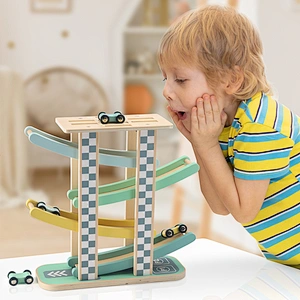
Use different toy cars to test the ramp’s performance. Place a car at the top and let it go. Watch how the car moves down the ramp. Note if the car stops or falls off. Try cars of various sizes and weights. Adjust the ramp angle or surface for better rolling.
Credit: www.phoohitoy.com
Decorating The Ramp
Decorating your wooden toy car ramp is where creativity meets fun. It transforms a simple project into a personal masterpiece that kids will love. Adding colors and playful features can make the ramp more exciting and inviting to use.
Painting Ideas
Choose bright, bold colors to catch the eye. You can use acrylic paints for a smooth finish that dries quickly. Try painting stripes or checkered patterns to mimic racing themes.
Don’t hesitate to mix colors on different sections of the ramp. For instance, paint the base one color and the sides another to create contrast. Adding numbers or simple shapes with stencils can also spark imagination during play.
Have you considered using glow-in-the-dark paint? It adds a surprising twist that makes the ramp fun even in dim lighting. Just imagine the excitement when cars zoom along under a glowing track!
Adding Fun Elements
Small additions can turn your ramp into a miniature raceway. Attach tiny flags or stickers to mark start and finish lines. You could also glue on small toy figures or cars for decoration.
Think about incorporating ramps or tunnels made from cardboard or plastic tubes. These create obstacles and add challenge to the race. Using textured materials like sandpaper on parts of the ramp can simulate rough terrain, offering a new sensory experience.
What about adding sound? Simple bells or rattles attached near the ramp can make the car races more interactive. These little touches keep kids engaged and eager to play again and again.
Maintenance Tips
Keeping your wooden toy car ramp in great shape takes a bit of regular care. Maintenance not only extends the ramp’s life but also ensures every playtime is safe and fun. You don’t want loose parts or rough edges to ruin the excitement.
Inspect For Loose Screws And Joints
Check the ramp regularly for any loose screws or weak joints. Even a small wobble can affect the ramp’s stability and safety. Tighten screws as soon as you notice any movement to avoid accidents.
Sand Rough Edges And Surfaces
Wood can develop splinters or rough patches over time, especially with active play. Use fine-grit sandpaper to smooth out any rough spots. This simple step keeps the ramp safe and comfortable to touch.
Clean Your Ramp Properly
Dust and dirt can build up, making the ramp slippery or sticky. Wipe it down with a damp cloth regularly, and avoid soaking the wood to prevent warping. A clean ramp means smoother rides for your toy cars.
Apply A Protective Finish
A layer of wood sealant or non-toxic varnish protects your ramp from moisture and wear. This helps maintain its look and strength over time. Remember to choose child-safe products that won’t harm your little ones.
Store Your Ramp Correctly
Where you keep your ramp matters. Store it in a dry place away from direct sunlight or extreme temperatures. This prevents cracks, warping, and fading, keeping your ramp ready for action whenever you are.
Credit: www.tiktok.com
Frequently Asked Questions
What Tools Are Needed To Build A Wooden Toy Car Ramp?
Basic tools include a saw, measuring tape, drill, screwdriver, and sandpaper. Safety gear like gloves and goggles is essential. These tools help cut, assemble, and smooth the wooden pieces accurately and safely for a sturdy toy car ramp.
Which Type Of Wood Is Best For A Toy Car Ramp?
Pine or plywood is ideal for toy car ramps. These woods are affordable, easy to cut, and smooth enough for toy cars to glide. Avoid soft woods that may splinter or hard woods that are tough to handle.
How Do You Ensure The Ramp Is Safe For Kids?
Sand all edges and surfaces to remove splinters. Use non-toxic paint or sealant for finishing. Secure all parts tightly to prevent wobbling. These steps ensure the ramp is safe and durable for children to play with.
What Is The Best Angle For A Toy Car Ramp?
A 30 to 45-degree angle works best. This angle allows cars to gain enough speed without falling off. Adjust the height and length to control the speed and safety of the toy cars on the ramp.
Conclusion
Building a wooden toy car ramp is fun and simple. You only need basic tools and materials. Follow the steps carefully, and take your time. Kids will love watching their cars race down the ramp. It’s a great way to learn about angles and speed.
Plus, making it yourself saves money. Try adding paint or decorations to make it unique. This project brings creativity and play together. Give it a try and enjoy the results!


