In this guide
Have you ever wanted to create your own toy train track that brings hours of fun and excitement? Building a track might seem tricky, but with the right steps, you can make it easy and enjoyable.
Imagine watching your train glide smoothly along the curves and straight paths you designed yourself. In this guide, you’ll discover simple tips and tricks to build a perfect toy train track that fits your space and style. Ready to start building something amazing?
Let’s dive in and make your toy train track dream come true!
Choosing The Right Toy Train Set
Choosing a toy train set means thinking about track shapes and space. Planning the layout helps create fun and smooth train rides. Simple connections make building easy and enjoyable for all ages.
Choosing the right toy train set is an exciting adventure. It sets the stage for a world of endless fun and creativity. With various options available, finding the perfect set can be a delightful journey.Types Of Train Tracks
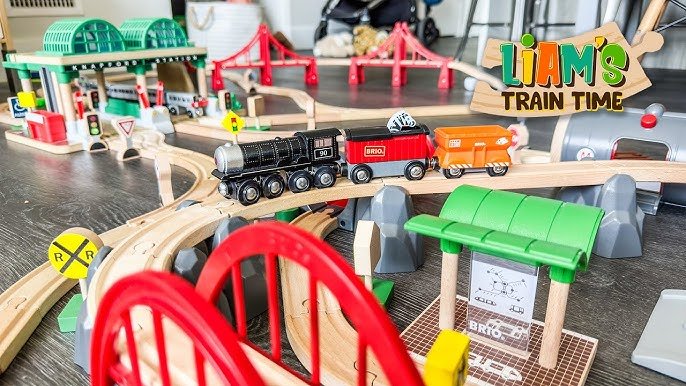
Toy train tracks come in different styles and materials. Plastic tracks are durable and easy to snap together. Wooden tracks offer a classic feel and are often more flexible in design. Some sets include magnetic tracks, providing easy assembly. Each type offers unique benefits, enhancing the play experience.Selecting Compatible Trains
Not all trains fit every track. Check compatibility before purchasing. Some trains run on battery power, offering sound and light effects. Others are manually driven, perfect for younger children. Choose trains that match the track size and style for seamless play.Safety Considerations
Safety is crucial when selecting a toy train set. Ensure pieces have smooth edges to avoid injuries. Look for non-toxic materials, especially for younger kids. Check age recommendations to ensure safe play. A well-chosen set provides both fun and peace of mind.
Credit: m.youtube.com
Planning Your Train Track Layout
Planning your toy train track layout sets the foundation for hours of fun. Thoughtful planning helps you use your space well and creates smooth train runs. It also allows you to mix simple and complex designs that suit your style. Accessories add life and make your track feel like a real adventure.
Measuring Your Space
Start by measuring the area where the track will go. Use a tape measure to find the length and width. Write down the exact numbers to avoid mistakes. Check for obstacles like furniture or walls. Leave some extra room for adding new track pieces later. Knowing your space helps you plan a layout that fits perfectly.
Designing Simple And Complex Tracks
Decide if you want a simple loop or a complex route with twists. Simple tracks are easy to build and good for beginners. Complex layouts include switches, bridges, and multiple loops. They offer more challenge and excitement. Sketch your ideas on paper or use a track design app. This step saves time and makes building faster.
Incorporating Accessories
Accessories create a lively scene around your train. Add buildings, trees, tunnels, and stations. Think about where each item fits best. Place accessories without blocking the train’s path. Small details like signs or people add realism. Plan space for accessories while designing the track. They make your train world more fun and engaging.
Gathering Materials And Tools
Gathering the right materials and tools is key to building a smooth toy train track. Having everything ready saves time and makes the process more fun. This section covers the basic parts and tools needed to start your project. It also suggests some extra items to enhance your train track.
Essential Track Pieces
- Straight track sections for length
- Curved track pieces to make turns
- Track connectors to join pieces securely
- Switch tracks to change train direction
- Base plates for stable track support
Optional Add-ons
- Bridges and tunnels for variety
- Train stations or depots for realism
- Decorative trees and buildings
- Track lighting for nighttime play
- Extra trains or cars to expand fun
Basic Tools Needed
- A soft cloth to clean track pieces
- Small screwdriver for adjustments
- Measuring tape for layout planning
- Scissors or cutting tool for scenery
- Storage container to keep parts organized
Step-by-step Track Assembly
Building a toy train track can be a fun and rewarding project. It requires patience and attention to detail. Follow simple steps to create a smooth and stable track for hours of play.
Connecting Track Sections
Start by laying out all track pieces on a flat surface. Align the ends of two track sections carefully. Press the connectors together firmly until they click into place. Ensure the rails line up evenly to avoid derailments. Repeat this process to build the desired track shape.
Securing Tracks In Place
Once the track sections are connected, secure them to prevent movement. Use small nails or adhesive strips depending on your base surface. Check that the track stays flat without gaps or uneven spots. A stable track improves train performance and safety.
Testing The Track
After assembly, test the track by running the train slowly over it. Watch for any rough areas or loose connections. Make adjustments to fix bumps or misaligned sections. Testing ensures smooth rides and prevents accidents during play.
Adding Features And Decorations
Adding features and decorations to your toy train track brings it to life and makes the experience much more enjoyable. These details can turn a simple layout into a miniature world full of activity and charm. You get to be creative and customize your track to fit your style and imagination.
Building Stations And Bridges
Stations are great spots for your trains to pause and add a sense of realism. You can build simple platforms using cardboard or wood, then paint them to look like real train stops. Bridges add excitement by creating elevation and visual interest; try using popsicle sticks or plastic kits to build sturdy, realistic bridges.
Think about where a station or bridge would fit naturally on your track. Does your train need a place to pick up passengers? Would a bridge over a river or road add flair? These features also give your trains new challenges, making playtime more dynamic.
Adding Scenery Elements
Scenery elements like trees, bushes, and miniature people make your layout feel alive. You can use small plants, craft materials, or even printed pictures to create these details. Adding a few animals or cars near the tracks can surprise and delight anyone watching your train in action.
Try mixing different textures and colors to keep the scenery interesting. Have you considered adding a tiny farm or a busy town scene? These touches help your track tell a story and keep you engaged for hours.
Lighting And Sound Effects
Lighting can transform your train set, especially in dim rooms or evening play sessions. Small LED lights work well for station lamps, street lights, or train headlights. Sound effects like train whistles, crossing bells, or background noises add an immersive layer to your setup.
You don’t need expensive equipment; simple battery-operated lights and sound modules can be easily added. Have you tried syncing sound effects with your train’s movement? It’s a fun way to add realism and keep your audience captivated.
Tips For Maintenance And Safety
Keeping your toy train track in top shape ensures hours of smooth, fun play and prevents accidents. Paying attention to maintenance and safety not only protects your investment but also keeps young engineers happy and secure. Here are some practical tips to help you care for your train set effectively.
Cleaning Your Train Set
Dust and grime can build up quickly on tracks and trains, causing poor connections and stalling. Wipe down tracks regularly with a soft, damp cloth to remove dirt and keep the rails shiny. Avoid harsh chemicals that might damage plastic parts or the paint on your trains.
For stubborn dirt, use a mild soap solution, but make sure to dry everything thoroughly before play. I once ignored cleaning for a few weeks, and the train kept derailing—after a quick wipe, it ran perfectly again. Simple maintenance can save you from frustration.
Storing Tracks Properly
Proper storage prevents warping, cracking, or losing pieces. Store tracks flat in a sturdy box or container to keep them from bending. Use ziplock bags or small containers to organize tiny parts like connectors and switches.
Keep your train set away from direct sunlight and extreme temperatures, which can warp plastic. Have you ever found a crucial piece missing just before playtime? Organized storage can help you avoid that last-minute scramble.
Ensuring Safe Play
Safety is key, especially with younger children around. Check the tracks for sharp edges or broken parts before every play session. Replace damaged pieces promptly to avoid cuts or choking hazards.
- Set clear play boundaries to keep the train track away from high-traffic areas.
- Supervise younger kids to prevent small parts from going into mouths.
- Encourage gentle handling of trains and tracks to extend their lifespan.
Have you noticed your child getting rough with the trains? Teaching safe play habits early can protect both your set and your child’s safety.
Encouraging Creativity And Learning
Building a toy train track is more than just play. It sparks creativity and helps children learn important skills. This activity encourages problem-solving and imagination. Kids explore how things fit and work together. It also improves their focus and fine motor skills.
Involving Kids In Design
Let children help plan the track layout. Ask questions like, “Where should the station go?” or “How will the train turn?” This makes them think and decide. Kids feel proud when they see their ideas come alive. Encourage drawing the track plan on paper first. This builds planning skills and confidence.
Using Tracks For Educational Play
Train tracks teach counting and shapes naturally. Count the number of track pieces or trains. Talk about straight, curved, and switch tracks. Use the train to practice colors and directions. For example, “The train moves left, then right.” This keeps learning fun and hands-on. It also improves language and math skills.
Expanding Your Train Collection
Add new trains and accessories to keep interest high. New pieces create fresh challenges and ideas. Introduce bridges, tunnels, or stations for variety. Changing the track layout helps children think creatively. It also teaches them about cause and effect. Collecting pieces together can become a shared hobby.

Credit: www.youtube.com

Credit: www.youtube.com
Frequently Asked Questions
What Materials Do I Need To Build A Toy Train Track?
You need track pieces, a baseboard, connectors, and a toy train set. Optional items include scenery and adhesives for stability.
How Do I Design A Safe Toy Train Track Layout?
Plan a flat surface with smooth curves and secure connections. Avoid sharp bends and unstable sections to prevent derailments.
Can I Customize The Toy Train Track Size And Shape?
Yes, you can expand or reshape the track using compatible pieces. Modular tracks allow easy customization for different layouts.
How Do I Maintain And Clean My Toy Train Track?
Regularly dust and wipe track pieces with a soft cloth. Check for loose connections and remove debris to ensure smooth operation.
Conclusion
Building a toy train track can be fun and simple. Start with a clear plan and gather all pieces. Connect the tracks carefully to avoid gaps. Add curves and straight parts for variety. Test the train to see if it runs smoothly.
Adjust the track if the train stops or slips. Enjoy watching your train move around the track. This project helps develop patience and creativity. Keep experimenting with different layouts for more fun. Creating a toy train track brings joy and learning together.