
In this guide
Have you ever looked at your action figures and wished they had more color or detail? Painting your own action figures can turn ordinary toys into amazing, personalized masterpieces.
It’s easier than you might think, and with the right steps, you’ll see your figures come to life right before your eyes. In this guide, you’ll discover simple tips and tricks that make painting fun and rewarding. Ready to give your action figures a fresh, eye-catching look?
Let’s dive in and unlock your creative potential!

Credit: www.reddit.com
Choosing The Right Materials
Choosing the right materials is crucial to bring your action figure to life with paint. Picking the wrong paint or tools can lead to frustration and a less-than-perfect finish. You want materials that work well together and give you the control to add fine details and smooth coverage.
Paint Types
You have several paint options for action figures, each with pros and cons. Acrylic paints are a favorite because they dry quickly and clean up easily with water. They also offer vibrant colors and good adhesion on plastic surfaces.
Enamel paints provide a glossy finish and are very durable but take longer to dry and require solvents for cleanup. If you want a smooth, professional look, airbrush paints can give you a flawless finish, but they need special equipment and practice.
Ask yourself: Do you want fast drying, easy cleanup, or a super durable finish? Your choice depends on your patience level and the look you want.
Brushes And Tools
Brush quality makes a huge difference. Use fine-tipped brushes for details and wider brushes for base coats. Synthetic brushes work well with acrylics, while natural bristles are better for enamels.
Invest in a few sizes so you can switch between broad strokes and tiny accents. Tools like toothpicks or cotton swabs help fix small mistakes or add texture. Have you tried using a magnifying glass? It can help you see details more clearly and improve your precision.
Primers And Sealants
Primers prepare the figure’s surface, helping paint stick better and last longer. Use a spray primer designed for plastic to avoid brush marks. A thin, even coat is all you need; too much primer can hide details.
Sealants protect your finished paint job from scratches and wear. Matte sealants reduce shine, while gloss sealants add brightness. Choose based on how you want your figure to look and how you plan to handle it.
Think about how often your action figure will be touched or displayed. The right sealant keeps your hard work looking great for years.
Preparing Your Workspace
Preparing your workspace is the first important step in painting action figures. A clean, well-organized area helps you focus on details and avoid mistakes. Proper setup also protects your health and keeps your supplies safe. A good workspace makes painting easier and more enjoyable.
Lighting And Ventilation
Good lighting helps you see small details clearly. Use a bright, white light source. Natural light is best during daytime. A desk lamp with adjustable brightness works well for night painting. Avoid harsh shadows or glare on your figure.
Ventilation is important for your safety. Paint fumes can be harmful. Work near an open window or use a fan to move air. Avoid closed rooms without airflow. This keeps your workspace fresh and safe.
Organizing Supplies
Keep your painting tools within easy reach. Use small containers or trays to hold brushes, paints, and water cups. Sort paints by color for quick access. Arrange brushes by size for better control. A tidy space prevents spills and saves time.
- Brushes sorted by size
- Paints grouped by color
- Water cup for cleaning brushes
- Paper towels for wiping mistakes
- Palette or mixing tray for colors
Safety Precautions
Wear gloves to protect your skin from paint chemicals. Use a mask if you work with spray paints or strong solvents. Avoid eating or drinking near your workspace. Keep sharp tools like hobby knives stored safely. Clean your hands and tools after painting to avoid irritation.
Preparing The Action Figure
Preparing an action figure properly is key to a smooth painting process. It helps paint stick well and last longer. Taking time to clean, sand, and prime ensures the best results. Each step makes the figure ready for color and detail.
Cleaning And Sanding
Start by cleaning the figure to remove dust and oils. Use warm water and mild soap. Gently scrub with a soft brush or cloth. Let it dry completely before moving on.
Next, sand the surface lightly with fine-grit sandpaper. This removes any shine and rough spots. Sanding helps the paint grip the plastic better. Focus on areas where paint will go.
Disassembling Parts
Remove any parts that can be taken off easily. This includes arms, legs, heads, or accessories. Disassembling helps paint reach all areas without smudging. It also prevents paint from building up on joints.
Keep small parts in a safe place. Label them if needed to avoid confusion later. Handle parts carefully to avoid breaking or losing them.
Applying Primer
Use a primer made for plastic surfaces. Primer creates a smooth base for paint. It improves paint adhesion and helps colors look bright.
Apply a thin, even coat using a spray or brush. Avoid thick layers that can hide details. Let the primer dry fully before painting. This step protects the figure and makes paint last longer.

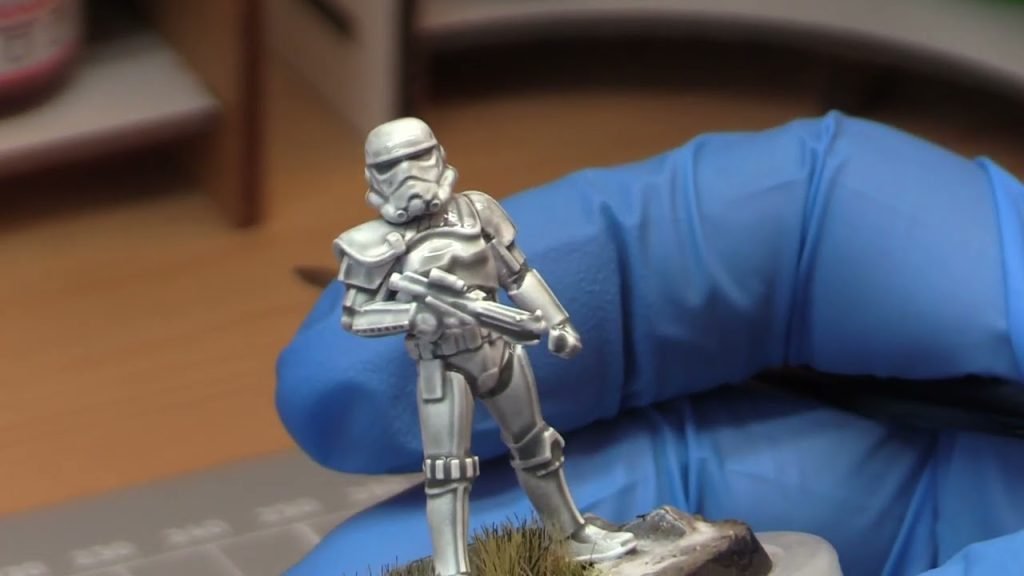
Credit: www.polygon.com
Basic Painting Techniques
Basic painting techniques form the foundation of painting action figures. These simple skills help create clean, vibrant, and detailed finishes. Learning these methods improves control and makes your figures look more realistic. Each technique builds upon the last to add depth and texture.
Base Coating
Base coating means applying a solid, even layer of paint over the figure. It covers all surfaces and sets the main color tone. Use thin paint to avoid hiding details. Let the paint dry fully before moving to the next step. This step creates a smooth canvas for further painting.
Layering Colors
Layering adds depth by applying multiple thin paint layers. Each layer changes the color slightly or adds highlights and shadows. Use lighter colors for highlights and darker colors for shadows. Let each layer dry before adding another. This technique brings life and dimension to flat areas.
Dry Brushing
Dry brushing highlights raised details on the figure. Use a small amount of paint on a dry brush. Remove most paint on a paper towel. Lightly sweep the brush over the figure’s surface. This leaves paint only on the raised parts, creating texture and contrast. It is perfect for worn or weathered effects.
Advanced Techniques For Detail
Adding advanced details to your action figures can bring them to life in ways basic painting just can’t achieve. These techniques demand patience but reward you with depth and realism that grab attention. Are you ready to push your skills beyond the basics and make your figures stand out on any shelf?
Highlighting And Shading
Highlighting and shading add dimension by simulating light and shadow on your figure’s surfaces. Use a lighter shade of your base color to paint raised areas where light would naturally hit. Conversely, apply a darker tone in crevices and recessed parts to create depth.
A quick tip: thin your paints slightly for smoother transitions between highlights and shadows. This approach prevents harsh lines and keeps the figure looking natural. Try it on armor plates or muscles to see how much more dynamic your figure becomes.
Weathering Effects
Weathering makes your action figure look battle-worn or aged, adding character and story. You can create rust, dirt, scratches, or faded paint using simple tools like sponges, dry brushes, and washes.
For example, lightly dabbing a sponge with brown or orange paint can mimic rust spots on metal parts. You can also drag a dry brush with silver paint over edges to simulate paint chips. These small imperfections tell a story—what’s the story behind your figure?
Adding Fine Details
Fine details, like eyes, buttons, or insignias, require a steady hand and precision. Use a fine-tipped brush or even a toothpick to apply these tiny touches. Patience is key here; rushing can ruin the effort.
If you struggle with freehand, consider using decals or masking tape for clean lines and shapes. I once painted tiny rivets on a mech figure using a toothpick—it was painstaking but made the model pop with realism. What’s one small detail you could add that would make your figure unforgettable?
Finishing Touches
Finishing touches bring your painted action figure to life. They protect your work and restore the figure’s original form. Small details add polish and make your figure look complete and professional.
Sealing For Protection
Apply a clear sealant to protect the paint. Choose a matte, satin, or gloss finish based on your figure’s style. Spray sealants offer even coverage and dry quickly. Use thin layers to avoid drips or cloudiness. Let each layer dry fully before applying the next. Sealing keeps paint safe from chips and fading over time.
Reassembling The Figure
Carefully put all parts back together. Check joints and movable areas for smooth movement. Use tweezers or small tools for precise assembly. Avoid forcing parts to prevent damage. If needed, clean excess paint from joints to keep them flexible. A well-assembled figure looks neat and functions well.
Final Touch-ups
Inspect the figure for any paint flaws or missed spots. Use a fine brush for tiny corrections. Add highlights or shadows to enhance details. Touch up edges and small features for a clean look. Wait for paint to dry fully before the final seal. These small fixes improve the overall appearance greatly.
Troubleshooting Common Issues
Painting action figures can be incredibly rewarding, but it also comes with its share of challenges. Encountering issues like paint chipping, color bleeding, or uneven coats can be frustrating, especially after investing time and effort. Understanding how to troubleshoot these problems will help you achieve a cleaner, longer-lasting finish on your figures.
Paint Chipping
Paint chipping often happens because the surface wasn’t properly prepped or sealed. Before painting, make sure to clean the figure thoroughly to remove any oils or dust that prevent paint from sticking. Applying a primer designed for plastic can create a better bond.
After painting, add a clear protective coat to lock in your work. I once skipped sealing a figure, and within days, the paint started flaking off with just light handling. Don’t let this happen to you—seal your work well to keep your paint intact.
Color Bleeding
Color bleeding occurs when different paint colors mix unintentionally, ruining sharp details. To avoid this, let each color dry completely before applying the next. Using thin layers instead of thick coats helps control where the paint goes.
Try using painter’s tape or masking fluid to protect areas you don’t want to paint over. Have you noticed your colors running together even after waiting? You might need to check your paint’s consistency—too watery paints tend to bleed more.
Uneven Coats
Uneven coats can make your figure look patchy and unfinished. Thin your paint slightly with water or a suitable thinner and apply multiple light layers instead of one heavy layer. This approach helps avoid brush strokes and clumps.
Using the right brush size and quality also makes a difference. I found that switching to a fine-tipped synthetic brush improved my control and gave me smoother results. What brush types have you tried for your figures?
Showcasing Your Work
Showing off your painted action figures is just as important as painting them. Displaying your work properly helps others appreciate the time and effort you spent. It also encourages you to keep improving your skills. Good presentation makes your figures stand out and draws more attention.
Photography Tips
Take clear, well-lit photos to highlight details. Use natural light or a soft light source to avoid harsh shadows. Choose a plain background to keep the focus on the figure. Try different angles to show all painted areas. Use a macro lens or close-up setting for fine details. Keep the camera steady to prevent blurring.
Displaying Techniques
Use display cases or shelves to protect your figures from dust. Arrange figures by theme, color, or size for a neat look. Place small stands to keep figures upright and stable. Add small props or backgrounds to create a scene. Rotate your display regularly to keep it fresh and interesting. Make sure the display area has good lighting.
Sharing On Social Media
Post your photos on social media to reach more people. Write short captions explaining your painting process or challenges. Join online groups or forums for action figure painters. Use clear hashtags related to action figures and painting. Respond to comments to build a friendly community. Share progress shots to show your improvement over time.

Credit: www.youtube.com
Frequently Asked Questions
How Do I Prepare Action Figures For Painting?
Clean the figure thoroughly with soap and water. Remove dust and oils. Lightly sand surfaces for better paint adhesion. Use a primer designed for plastic to ensure paint sticks well.
What Types Of Paint Work Best On Action Figures?
Acrylic paints are best for action figures. They dry quickly and adhere well to plastic. Avoid oil-based paints, as they take longer to dry and may damage the figure.
How Can I Prevent Paint From Chipping On Figures?
Apply multiple thin coats instead of one thick layer. Use a clear sealant after painting to protect the finish. Handle the figure gently to avoid scratches and chips.
What Tools Do I Need To Paint Small Action Figures?
Use fine-tipped brushes for detailed work. A palette for mixing colors helps. Tweezers and toothpicks assist with tiny areas. Good lighting and magnification improve accuracy.
Conclusion
Painting action figures brings your collection to life. It takes patience and careful steps. Choose good paints and brushes for best results. Clean the figure before starting to paint. Thin layers work better than thick ones. Let each layer dry fully.
Small details make a big difference. Practice often to improve your skills. Enjoy the process and your unique creations. Your figures will stand out with your personal touch. Keep experimenting and have fun with your hobby.