Are you wondering which age groups get the most out of Haba’s STEM toys? If you want to boost your child’s creativity, problem-solving skills, and love for learning, choosing the right toy matters a lot.
Haba’s STEM toys are designed to do just that—but who benefits the most? Whether you’re a parent, teacher, or caregiver, knowing the perfect age range can help you make smarter choices. Keep reading to discover how these toys can unlock your child’s potential at different stages of their growth.
Your next best decision for their development starts here.
Age Groups For Haba Stem Toys
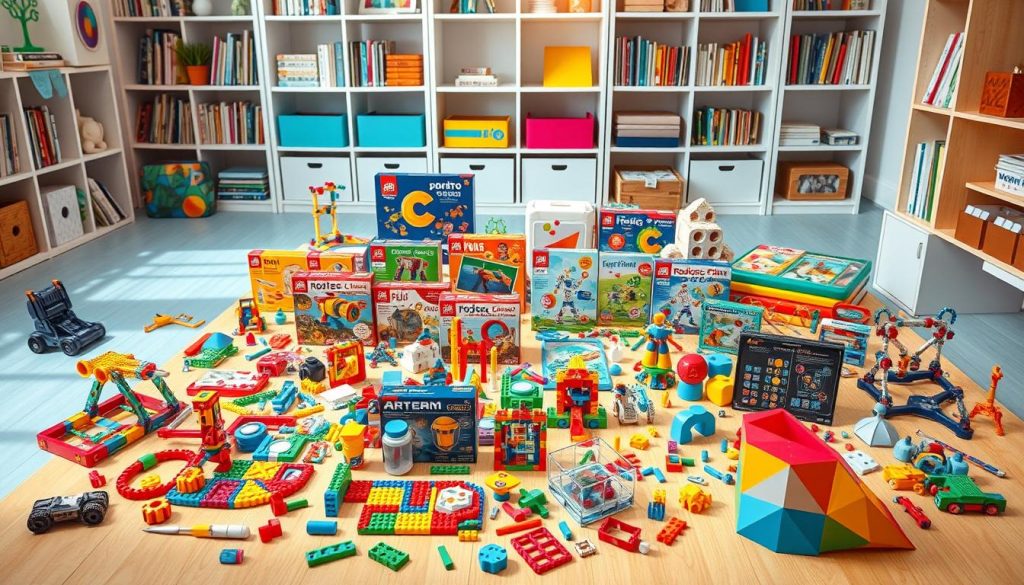
Haba’s STEM toys offer enriching experiences for various age groups. These toys encourage learning through play, helping children develop crucial skills. Let’s explore which age groups benefit most from Haba’s STEM toys.
Toddlers (1-3 Years)
Toddlers are curious explorers. Haba’s STEM toys for this age introduce basic concepts. Simple puzzles and stacking toys enhance hand-eye coordination. Bright colors and textures stimulate their senses. These toys lay the foundation for future learning.
Preschoolers (3-5 Years)
Preschoolers are eager learners. Haba’s toys for this age group focus on problem-solving. Building blocks and simple construction sets foster creativity. Children learn about shapes and sizes. These toys boost cognitive development and social skills.
Early Elementary (6-8 Years)
Children in early elementary are developing critical thinking. Haba’s STEM toys challenge their minds with complex puzzles. Construction kits encourage teamwork and communication. They explore scientific principles through play. These toys nurture their growing intellect.
Tweens (9-12 Years)
Tweens crave challenges and independence. Haba’s toys for tweens provide advanced STEM activities. Robotics kits and experimental sets engage their curiosity. They learn coding and engineering concepts. These toys support their transition into teenage years.

Credit: www.amazon.com
Skills Developed By Age Group
Haba’s STEM toys are designed to support skill development at every stage of childhood. Each age group benefits from specific learning opportunities that match their growth. These toys help children build essential abilities that prepare them for future learning and success.
The skills developed vary by age and focus on key areas like movement, thinking, and problem solving. Below is a breakdown of the skills children gain from Haba’s STEM toys based on their age group.
Motor Skills For Toddlers
Toddlers use Haba’s STEM toys to improve hand-eye coordination. These toys encourage grasping, stacking, and simple manipulation. Activities help toddlers develop fine motor skills and muscle control. Playing with bright, textured pieces also boosts sensory awareness.
Cognitive Growth In Preschoolers
Preschoolers explore cause and effect through play. Haba’s toys introduce basic concepts like shapes, colors, and numbers. Children learn to follow simple instructions and sequences. This age group builds early memory and attention skills.
Problem Solving In Early Elementary
Early elementary children face challenges that require planning and reasoning. Haba’s STEM toys promote logical thinking and pattern recognition. Kids practice trial and error to find solutions. They develop patience and persistence through hands-on activities.
Advanced Thinking For Tweens
Tweens engage in complex projects that involve design and engineering. Haba’s STEM sets encourage creative problem solving and critical thinking. Children apply math and science concepts to real-world scenarios. These toys support independent learning and innovation.
Choosing The Right Haba Stem Toy
Choosing the right Haba STEM toy is key to a child’s learning and fun. Each toy suits different ages, skills, and interests. Picking the best fit helps kids stay safe and enjoy their playtime. It also supports their growth in science, technology, engineering, and math.
Safety Considerations
Safety is the top priority when selecting a Haba STEM toy. Check the age recommendation on the package. Toys for younger children have bigger parts to avoid choking hazards. Look for non-toxic materials and smooth edges. Make sure the toy meets safety standards. Always supervise young children during play.
Skill Level Matching
Choose a toy that matches the child’s current skills. Younger kids benefit from simple puzzles and building blocks. Older children enjoy complex challenges and experiments. Toys that are too hard may cause frustration. Toys that are too easy can bore the child. Find a balance to keep them engaged and learning.
Interest-based Selection
Consider what the child likes to do. Some kids love building and engineering. Others enjoy exploring nature or science experiments. Haba offers toys in many themes to fit these interests. Matching toys to passions sparks curiosity. It encourages longer and more meaningful play sessions.

Credit: www.habausa.com
Parental Role In Learning
Parents play a key role in children’s learning with Haba’s STEM toys. Their involvement shapes how kids explore and understand new concepts. Guided support helps children build confidence and skills. Parents create a safe space for curiosity and discovery. This role boosts learning and makes playtime meaningful.
Guided Play Strategies
Parents can join their children during play to guide learning. Asking simple questions helps kids think deeper. Examples include:
- “What happens if you connect these pieces?”
- “Can you build a tower taller than this?”
- “How does this part move?”
This approach encourages problem-solving and creativity. Parents can also suggest new ways to use the toys. It keeps play fresh and exciting.
Encouraging Exploration
Allowing children to explore STEM toys freely is important. Parents should encourage trying new ideas without fear of mistakes. Exploration leads to better understanding and confidence. Praise effort and curiosity rather than just correct answers. This attitude helps children love learning and trying new things.
Balancing Screen Time
Many children spend hours on screens daily. Parents can balance this by setting limits and offering STEM toys as an alternative. Hands-on play improves focus and fine motor skills. It also helps children engage with real-world concepts. Combining both screen time and physical play creates a healthy learning routine.
Long-term Benefits Of Early Stem Play
Early exposure to STEM toys like those from Haba can shape a child’s future in ways you might not expect. The skills gained from playful learning extend well beyond childhood and influence many areas of life. Let’s look at some lasting benefits you and your child can enjoy from early STEM play.
Building Curiosity
Curiosity is the foundation of all learning. Haba’s STEM toys encourage children to ask questions and seek answers through hands-on exploration. This habit of questioning helps your child develop a natural desire to learn more about the world around them.
When your child experiments with building blocks or simple machines, they learn cause and effect. This process sparks interest in science and problem-solving that lasts into their teenage years and adulthood.
Fostering Creativity
Creativity is often linked to art, but STEM play nurtures creative thinking too. Haba’s toys let children design, build, and test their own ideas, giving them freedom to think differently. This practice strengthens their ability to innovate.
Imagine your child combining parts in new ways to create something unique. This kind of play encourages flexible thinking, which is valuable in any career or hobby they pursue later.
Enhancing Academic Performance
STEM skills support success in school subjects like math, science, and technology. Children who engage with Haba’s STEM toys develop better concentration and problem-solving skills, which reflect in their grades. You might notice improvements in how they approach homework or tests.
Do you want your child to enjoy learning instead of feeling stressed? Early STEM play makes learning feel like fun, not a chore. This positive attitude often leads to better academic results over time.

Credit: piccalio.com
Frequently Asked Questions
What Age Is Ideal For Haba’s Stem Toys?
Haba’s STEM toys are best suited for children aged 3 to 12. They are designed to develop cognitive and motor skills progressively. Younger kids build basic skills, while older ones engage in complex problem-solving activities.
How Do Haba’s Stem Toys Benefit Toddlers?
For toddlers, Haba’s STEM toys enhance fine motor skills and hand-eye coordination. They encourage curiosity and early learning in a fun, interactive way. These toys introduce basic STEM concepts through play.
Can Haba’s Stem Toys Help School-age Children?
Yes, Haba’s STEM toys challenge school-age children with advanced puzzles. They promote critical thinking, creativity, and teamwork. These toys support STEM curriculum concepts and foster lifelong learning habits.
Are Haba’s Stem Toys Suitable For Teenagers?
Haba’s STEM toys are generally designed for younger children but can inspire teenagers interested in engineering basics. Teenagers may benefit from more complex STEM kits tailored to their skill level.
Conclusion
Haba’s STEM toys suit many age groups well. Young children build basic skills and explore ideas. Older kids enjoy more complex challenges and learning. These toys support creativity, problem-solving, and focus. Parents find them helpful for early and middle childhood growth.
Choosing the right toy depends on the child’s age and interests. STEM toys from Haba help kids learn while having fun. They make learning simple and exciting for all ages. A smart choice for families wanting educational play.