Have you ever wondered why some toys seem to do more than just entertain? Educational toys are designed to help your child learn while they play.
They spark curiosity, boost creativity, and build important skills without feeling like work. If you want to discover how these toys can make a real difference in your child’s growth, keep reading. You’ll find out what educational toys really are and why they could be the perfect addition to your home.
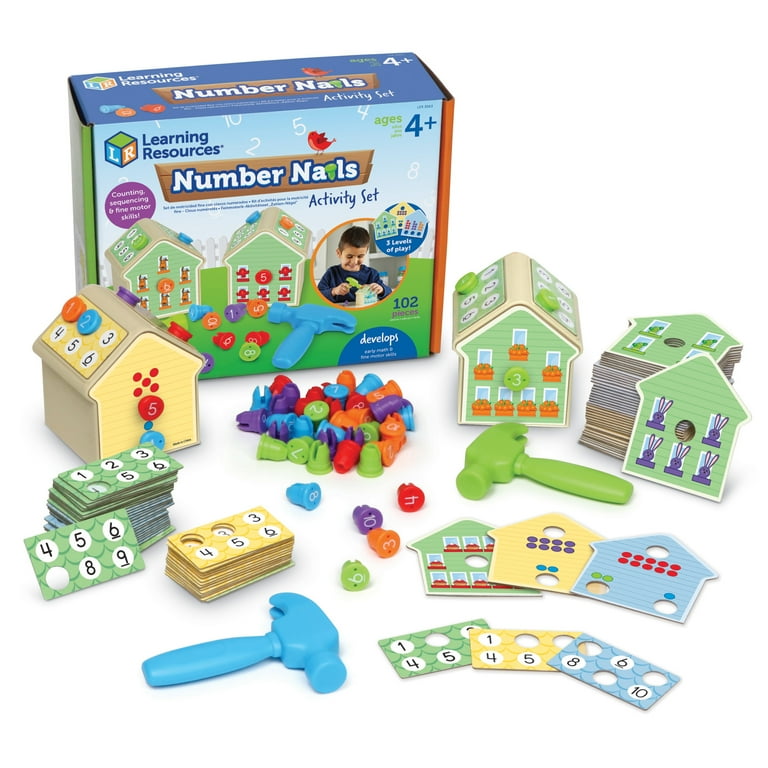
Credit: www.walmart.com
Benefits Of Educational Toys
Educational toys offer countless benefits for young minds. They are designed to nurture skills and ignite curiosity. These toys make learning fun and effective. Let’s explore how they boost cognitive skills, enhance creativity, improve social interaction, and support emotional development.
Boosting Cognitive Skills
Educational toys sharpen the brain. Puzzles enhance problem-solving abilities. Building blocks improve spatial understanding. These toys develop memory and attention span. Children learn to focus better.
Enhancing Creativity
Creative play stimulates imagination. Craft kits inspire artistic expression. Role-play toys encourage storytelling. Children explore different scenarios. They learn to think outside the box.
Improving Social Interaction
Playing with others fosters teamwork. Board games teach cooperation. Group activities build communication skills. Kids learn to share and negotiate. Friendships grow through play.
Supporting Emotional Development
Educational toys help children express feelings. Dolls teach empathy and care. Musical instruments offer emotional release. Kids learn to manage emotions. Playtime becomes a safe space for expression.
Types Of Educational Toys
Educational toys come in many shapes and sizes, each designed to spark curiosity and develop specific skills. Understanding the different types can help you choose toys that truly benefit your child’s growth. Let’s look at some popular categories and what makes them effective.
Building And Construction Sets
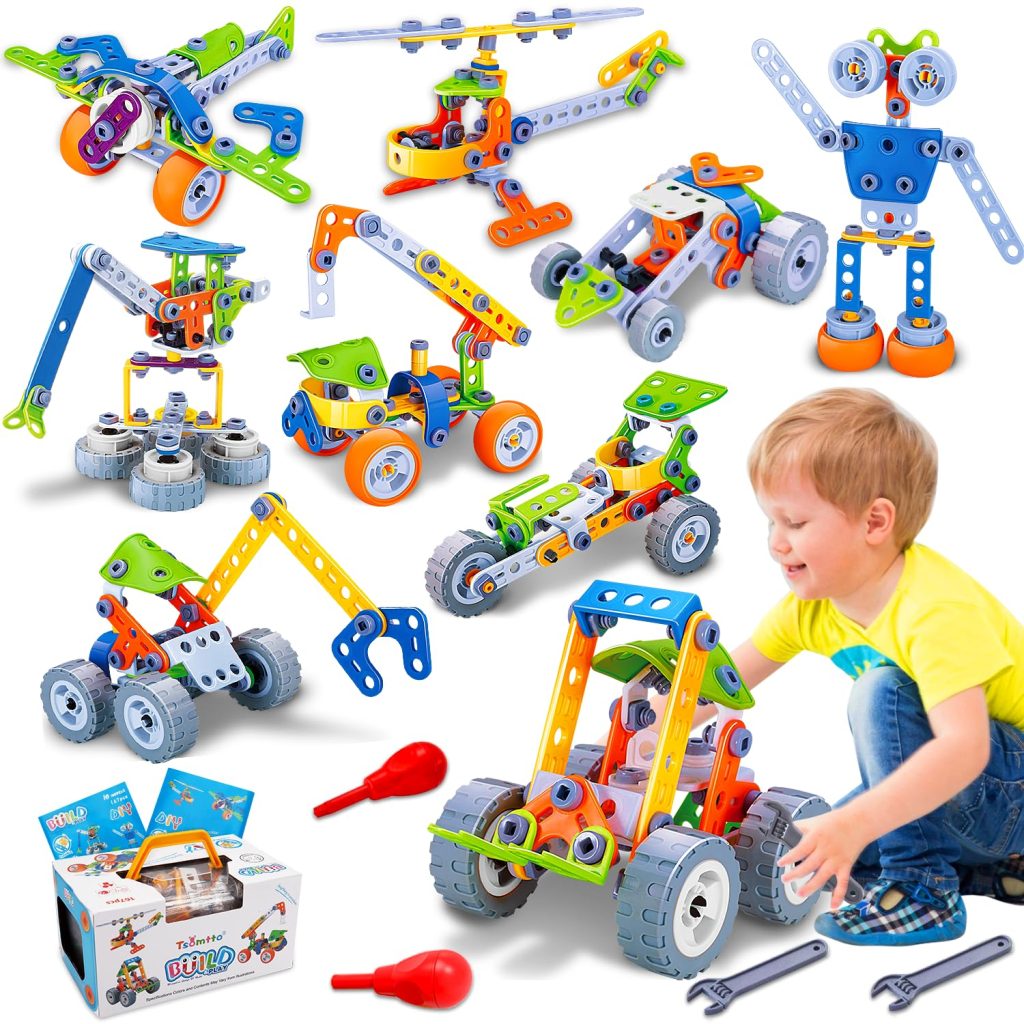
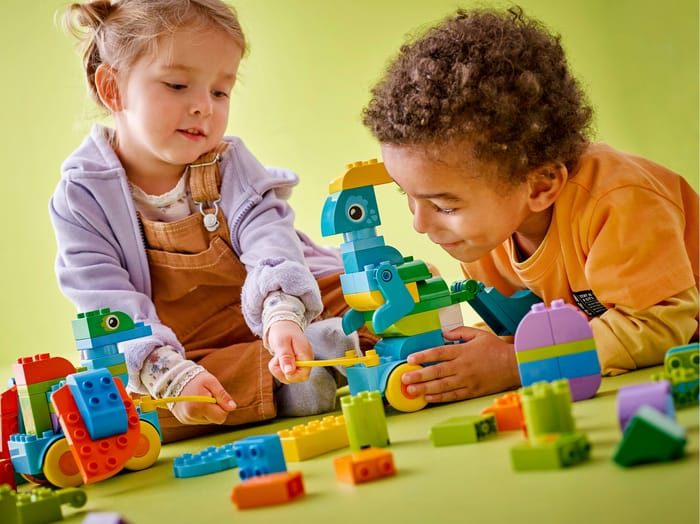
Building sets like LEGO or wooden blocks encourage creativity and problem-solving. They help children learn about spatial awareness, balance, and engineering basics. Have you noticed how kids get completely absorbed while building towers or intricate designs? That focus is a valuable learning moment.
Stem Toys
STEM toys focus on science, technology, engineering, and math concepts. Kits that let kids code robots or conduct simple science experiments make learning hands-on and fun. They often challenge children to think critically and experiment, which can boost confidence in tackling complex ideas later.
Art And Craft Kits
Art kits promote creativity and fine motor skills through painting, drawing, or crafting. They also encourage children to express themselves and develop patience. When your child proudly shows you their artwork, it’s more than fun—it’s a confidence builder and a step toward better communication skills.
Puzzles And Brain Teasers
Puzzles improve memory, logic, and attention to detail. From jigsaw puzzles to riddles, these toys push children to think ahead and strategize. Have you ever watched a child’s face light up after solving a challenging puzzle? That moment of achievement is a powerful motivator.
Language And Literacy Toys
Toys like alphabet blocks, storybooks, and interactive reading devices boost vocabulary and reading skills. They help children connect sounds with letters and understand storytelling. Wouldn’t it be great if your child’s playtime also helped them become a confident reader?
Choosing The Right Educational Toy
Choosing the right educational toy can make a significant difference in your child’s development and enjoyment. It’s not just about picking something colorful or popular; it’s about finding toys that fit your child’s unique needs and interests. Understanding key factors like age suitability, learning objectives, safety, and quality will help you make smarter choices.
Age Appropriateness
Every toy has a recommended age range for a reason. Toys designed for toddlers often focus on sensory exploration and motor skills, while those for older kids might encourage problem-solving or creativity. Giving a preschooler a puzzle meant for teenagers can cause frustration rather than learning.
Think about your child’s current abilities and interests. Does the toy challenge them just enough without overwhelming? This balance keeps them engaged and eager to learn more.
Learning Goals
What skill do you want your child to develop? Educational toys can target a variety of areas such as language, math, critical thinking, or social skills. Narrowing down your goals helps you pick toys that support those specific skills.
For example, building blocks can boost spatial awareness and fine motor skills, while board games might encourage teamwork and strategic thinking. Reflect on what your child enjoys and where they could benefit most.
Safety Considerations
Safety is non-negotiable. Always check for small parts that could pose choking hazards, especially for younger children. Look for toys made from non-toxic materials and avoid anything with sharp edges or loose pieces.
Have you ever noticed how some toys come with clear safety certifications? These are worth trusting. Your child’s safety should guide your decisions as much as their learning.
Durability And Quality
Educational toys often get a lot of use. Choosing sturdy, well-made toys means they’ll survive countless play sessions and still function properly. Cheap plastic toys might break quickly, leading to frustration and wasted money.
Consider wooden toys or those with solid construction. They not only last longer but can often be passed down, adding value beyond just one child’s use. Wouldn’t you prefer a toy that grows with your child over time?

Credit: www.amazon.com
Incorporating Educational Toys At Home
Incorporating educational toys at home helps nurture children’s skills through fun activities. These toys support learning in a natural, playful way. Setting up the right environment encourages curiosity and discovery. Parents can guide and watch as children explore new concepts.
Creating A Learning-friendly Space
Designate a specific area for educational play. Keep it tidy and inviting. Use shelves or bins to organize toys by type or skill. Bright lighting and comfortable seating improve focus. Limit distractions like TV or loud noises. Make sure the space feels safe and welcoming.
Balancing Play And Study
Mix educational toys with regular playtime. Avoid making learning feel like a chore. Schedule short sessions to keep attention high. Allow breaks for free play or rest. Use toys to reinforce lessons from school or books. Consistent routines help build good habits.
Encouraging Independent Play
Choose toys that children can use alone. Look for puzzles, building blocks, or creative kits. These toys boost problem-solving and imagination. Give children time to explore without interruptions. Praise their effort and discoveries. This builds confidence and self-motivation.
Engaging In Joint Activities
Play with your child using educational toys. Ask questions and share ideas. Show how to use new toys and tools. Create challenges or games together. This strengthens bonds and improves communication. Learn alongside your child to set a good example.
Trends In Educational Toys
Educational toys are evolving rapidly, reflecting changes in technology, environmental awareness, and the diverse needs of learners. These trends shape how children engage with learning tools and how you can choose toys that truly benefit your child’s development. Let’s look at some key trends that are changing the landscape of educational toys.
Technology-integrated Toys
Toys with built-in technology are becoming more common and interactive. They use apps, sensors, and augmented reality to create immersive learning experiences. You might find a puzzle that connects to a tablet app, offering hints and challenges that adjust to your child’s skill level.
These toys can enhance problem-solving and critical thinking by adapting to your child’s progress. But it’s important to balance screen time with physical play to keep learning healthy and engaging.
Eco-friendly Materials
More parents want toys made from sustainable and non-toxic materials. Educational toy makers are responding by using wood, recycled plastics, and organic fabrics. This shift not only protects the planet but also ensures the toys are safe for children to handle.
Choosing eco-friendly toys teaches kids about responsibility and respect for nature. Have you noticed how your child reacts to natural materials compared to plastic ones? It’s often a more tactile and comforting experience.
Personalized Learning Toys
Personalized toys tailor the learning journey to your child’s interests and pace. Some toys use AI to track progress and suggest new challenges, while others allow customization through interchangeable parts or storylines. This personal touch keeps your child engaged and motivated.
Imagine a robot that learns your child’s favorite subjects and adapts its questions accordingly. Such personalization can make learning feel less like a chore and more like an adventure.
Inclusive And Diverse Options
Educational toys now reflect a wider range of cultures, abilities, and family structures. Dolls with different skin tones, toys representing various professions, and games that teach empathy are gaining popularity. This inclusivity helps children understand and appreciate diversity from an early age.
Do your toys reflect the world your child lives in? Inclusive toys can open conversations about acceptance and respect, shaping a kinder future generation.
Credit: www.lego.com
Frequently Asked Questions
What Are Educational Toys And Their Purpose?
Educational toys are designed to promote learning through play. They enhance skills like problem-solving, creativity, and motor abilities in children.
How Do Educational Toys Benefit Child Development?
These toys improve cognitive, social, and emotional skills. They encourage critical thinking, communication, and hand-eye coordination in young learners.
Which Age Group Suits Educational Toys Best?
Educational toys are available for all age groups. They are tailored to match developmental stages from infancy to early teens.
Can Educational Toys Improve Academic Performance?
Yes, they build foundational skills like math, language, and science. These skills support better understanding and school readiness.
Conclusion
Educational toys help children learn while having fun. They support skills like problem-solving, creativity, and thinking. Kids enjoy playing and discover new things naturally. Parents and teachers can use these toys to guide learning. Choosing the right educational toy makes a big difference.
It encourages curiosity and builds confidence step by step. Simple toys often teach the best lessons. Kids grow smarter through play every day. Learning becomes exciting, not a chore. Educational toys create a strong base for future success.