In this guide
Are you curious about how to choose the best toys that truly help your child grow? Montessori toys might be exactly what you need.
These toys are designed to spark your child’s natural curiosity and encourage hands-on learning. Imagine toys that don’t just entertain but also build important skills like problem-solving, concentration, and creativity. Keep reading to discover what Montessori toys are, why they matter, and how they can make a real difference in your child’s development.
You’ll want to know this if you’re looking for smarter, more meaningful playtime.
Montessori Toys Defined
Montessori toys are designed with a clear purpose: to support your child’s natural learning and development. Unlike typical toys that often focus on entertainment, Montessori toys encourage hands-on learning and help build essential skills.
These toys emphasize simplicity and quality, allowing your child to explore and discover independently. They invite curiosity and foster concentration, which are key to effective learning at a young age.
What Makes A Toy Montessori?
Montessori toys are usually made from natural materials like wood, cotton, or metal. They avoid bright, flashy colors and loud sounds that can distract your child.
The design is simple and purposeful, often focusing on one skill at a time, such as sorting shapes, stacking blocks, or practicing fine motor skills. This encourages your child to focus deeply and master one activity before moving on to the next.
How Montessori Toys Support Development
These toys help develop practical skills such as hand-eye coordination, problem-solving, and sensory perception. They also promote independence by allowing your child to choose and complete activities at their own pace.
When your child uses Montessori toys, you’ll notice increased concentration and a sense of accomplishment. It’s exciting to watch them learn through play that feels natural and enjoyable.
Examples Of Montessori Toys
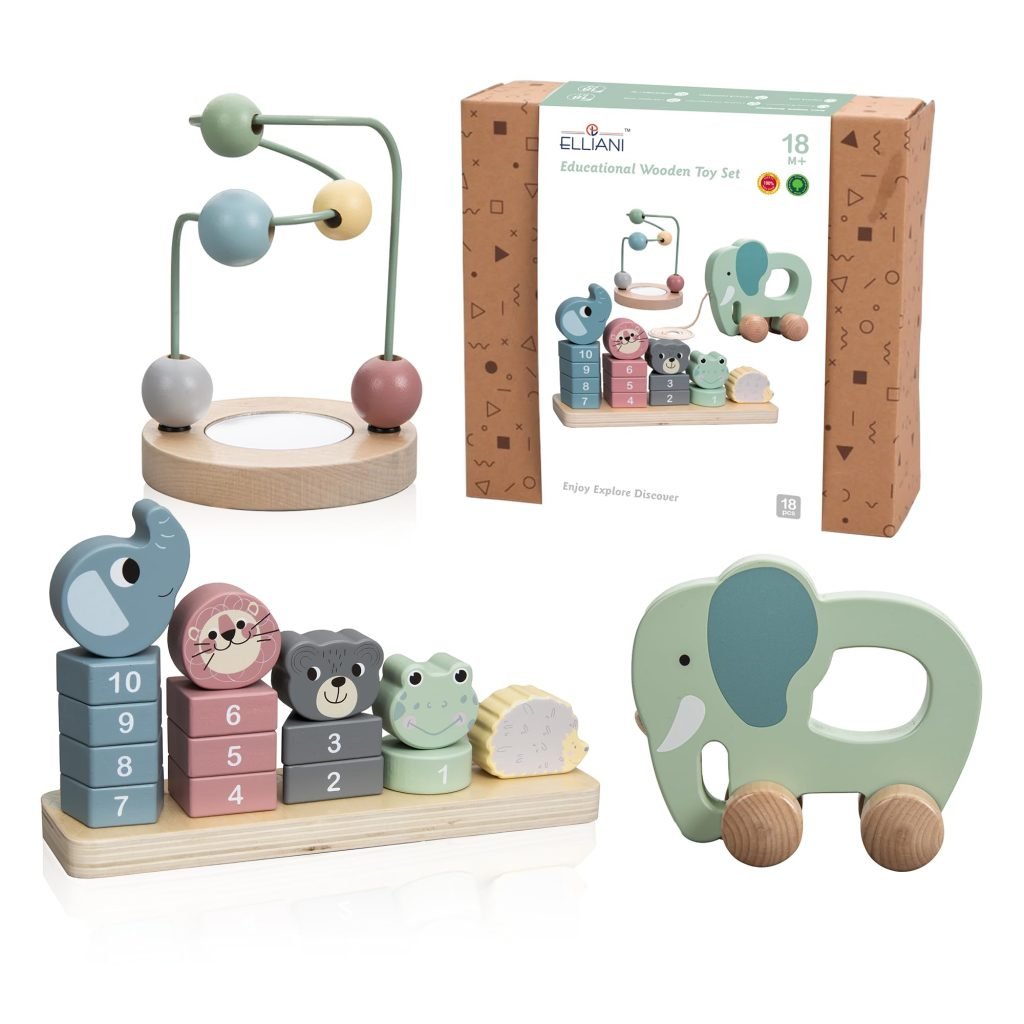
- Wooden shape sorters that encourage matching and spatial awareness
- Bead threading sets to improve fine motor skills
- Stacking rings or blocks to teach size and order
- Simple puzzles that promote problem-solving
- Sensory bottles or textured balls to explore touch and sight
Have you noticed how your child reacts to toys that allow them to explore on their own? Montessori toys invite that kind of engagement and learning every time they play.

Credit: www.amazon.com
Principles Of Montessori Education
The principles of Montessori education shape the way children learn and grow. These ideas focus on respecting each child’s unique pace and interests. The goal is to create an environment where kids feel free to explore, discover, and develop skills naturally.
Child-centered Learning
Montessori education puts your child at the heart of the learning process. Instead of following a strict curriculum, children choose activities that interest them. This freedom helps build confidence and encourages self-motivation.
Have you noticed how your child’s curiosity peaks when they get to decide what to explore? That’s the power of child-centered learning. It respects their natural desire to learn and grow on their own terms.
Hands-on Exploration
Montessori toys are designed for hands-on use, letting your child engage all their senses. Touching, moving, and manipulating objects help children understand concepts better. This kind of learning sticks because it connects ideas to real experiences.
Think about the last time you learned something new by doing it yourself. Would reading instructions alone have been as effective? Hands-on exploration turns abstract ideas into something tangible.
Natural Materials
Using natural materials like wood, cotton, and metal is another key Montessori principle. These materials feel authentic and provide sensory feedback that plastic often lacks. They also teach children to appreciate the world around them.
Have you ever noticed how a wooden toy feels different in your hand compared to a plastic one? This subtle difference can make your child more aware of textures and qualities, enhancing their sensory development.
Benefits Of Montessori Toys
Montessori toys offer more than just fun—they support important developmental skills in children. These toys are designed to encourage natural learning through hands-on play. Understanding their benefits can help you choose toys that truly support your child’s growth.
Enhancing Creativity
Montessori toys encourage children to use their imagination freely. Without predefined ways to play, kids learn to think outside the box. Have you noticed how a simple wooden block can turn into a castle, a car, or even a phone in your child’s hands?
This open-ended play sparks creativity and problem-solving skills. It allows children to experiment and create their own stories, giving their minds room to grow.
Boosting Independence
These toys are designed for children to use on their own, promoting self-reliance. When a child figures out how a toy works without adult help, their confidence grows. Imagine your child carefully stacking rings or fitting puzzle pieces by themselves—each success builds their independence.
Providing toys that match your child’s skill level encourages them to take charge of their learning. This hands-on experience teaches patience and persistence.
Fostering Focus
Montessori toys often require concentration and attention to detail. This helps children develop longer attention spans. Have you observed how a child engrossed in sorting shapes or threading beads is fully focused on the task?
Such focused play strengthens their ability to concentrate in other areas like schoolwork. It also teaches the value of completing a task before moving on to something new.
Types Of Montessori Toys
Montessori toys are designed to support a child’s natural learning process. They encourage exploration, creativity, and independence. These toys focus on real-life skills and sensory experiences. Different types of Montessori toys serve various developmental goals. Each type helps children learn through hands-on activity and discovery.
Sensorial Toys
Sensorial toys help children understand their environment using their senses. These toys focus on touch, sight, sound, taste, and smell. Children learn to compare, classify, and organize sensory information.
- Color tablets for matching and grading colors
- Texture boards to feel different surfaces
- Sound cylinders to identify and compare sounds
- Shape sorters to recognize shapes and sizes
Practical Life Toys
Practical life toys teach everyday skills. They build coordination, concentration, and independence. Children practice real tasks in a safe way.
- Pouring sets to learn control and hand-eye coordination
- Button frames to practice dressing skills
- Cleaning tools for tidying and responsibility
- Food preparation kits to mimic cooking activities
Language And Math Toys
These toys develop early reading, writing, and math skills. They use simple materials to explain complex ideas. Children learn through repetition and hands-on work.
- Sandpaper letters for tracing and letter recognition
- Moveable alphabets to form words
- Counting beads to visualize numbers
- Number rods to understand quantities and sequences
Choosing The Right Montessori Toy
Choosing the right Montessori toy is essential to support your child’s natural curiosity and learning style. The ideal toy should invite exploration without overwhelming your child. It should also align with their current developmental stage, ensuring they stay engaged and challenged just enough to grow.
Age Appropriateness
Montessori toys are designed to match specific age groups, so picking one suitable for your child’s age is key. Toys for infants often focus on sensory exploration, like soft textures and simple shapes. Older toddlers might benefit from toys that encourage problem-solving and fine motor skills, such as stacking blocks or shape sorters.
Ask yourself: Does this toy match your child’s current abilities? Will it hold their interest without causing frustration? Choosing age-appropriate toys helps your child build confidence as they master new skills.
Quality And Safety
High-quality materials matter in Montessori toys because they are meant to last and be handled frequently. Look for natural materials like wood or organic fabrics that feel pleasant and are safe to touch. Avoid toys with small parts or toxic paints that could pose a danger.
Have you ever noticed how your child naturally respects well-made toys? Their durability encourages careful handling and teaches responsibility. Prioritize safety certifications and inspect toys regularly for wear and tear to keep playtime safe.
Educational Value
Montessori toys should encourage hands-on learning, helping your child develop specific skills. Toys that promote concentration, coordination, and independence fit well here. For instance, puzzles that require fitting pieces together teach spatial awareness and problem-solving.
Think about what you want your child to learn from the toy. Does it spark curiosity and invite repeated use? Toys that teach through play support lasting understanding rather than just entertainment.

Credit: www.amazon.com
Integrating Montessori Toys At Home
Integrating Montessori toys at home creates a rich space for children to explore and learn. These toys encourage hands-on activities that develop skills naturally. Setting up the right environment and involving your child in play helps build independence and confidence.
Creating A Learning Environment
Arrange toys within easy reach on low shelves. Use natural light and soft colors to keep the space calm. Keep the area tidy and organized to avoid distractions. Choose toys that match your child’s current interests and abilities. Rotate toys regularly to maintain curiosity and focus.
Involving The Child In Play
Let your child select toys freely to follow their curiosity. Observe quietly and offer help only when asked. Encourage repetitive play to build mastery and comfort. Talk about what they are doing using simple words. Praise effort instead of results to boost confidence.
Balancing Play And Learning
Allow enough time for free play without adult interference. Include activities that develop fine motor skills and problem-solving. Mix quiet and active play periods throughout the day. Use Montessori toys to support real-life skills like pouring or sorting. Respect your child’s pace and avoid rushing the learning process.
Popular Brands For Montessori Toys
Montessori toys support children’s learning through play. They focus on natural materials and simple designs. Choosing the right brand helps ensure quality and safety. Popular brands offer a mix of educational value and durability. This guide highlights top brands, budget choices, and eco-friendly options.
Top Recommended Brands
- Melissa & Doug:Known for wooden puzzles and classic toys.
- Hape:Offers eco-friendly, well-crafted wooden toys.
- PlanToys:Specializes in sustainable and safe Montessori toys.
- Grimm’s:Famous for colorful wooden blocks and stacking toys.
- BeginAgain:Creates natural rubber and wooden toys with simple designs.
Budget-friendly Options
- Green Toys:Affordable, made from recycled plastic.
- Janod:Provides wooden toys with good quality at low prices.
- KidKraft:Offers various Montessori-style toys with budget in mind.
- Fisher-Price:Classic brand with some Montessori-inspired toys for less.
Sustainable Choices
- PlanToys:Uses sustainable wood and non-toxic dyes.
- Hape:Focuses on renewable materials and safe finishes.
- Grimm’s:Crafts toys from untreated wood and natural colors.
- Areaware:Designs minimalistic toys with eco-conscious production.
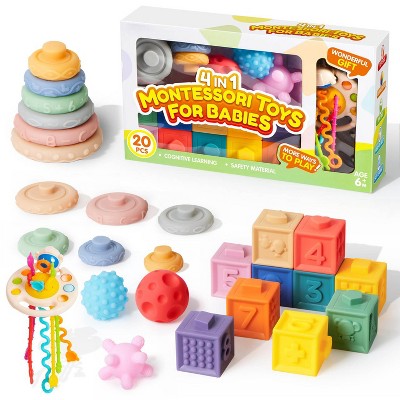
Credit: www.target.com
Frequently Asked Questions
What Are Montessori Toys Designed For?
Montessori toys are designed to promote independent learning and creativity. They encourage hands-on exploration and sensory development. These toys help children develop motor skills, concentration, and problem-solving abilities naturally.
How Do Montessori Toys Benefit Child Development?
Montessori toys improve fine motor skills, focus, and cognitive growth. They support sensory exploration and encourage self-directed learning. These toys foster creativity, independence, and confidence in young children.
What Materials Are Used In Montessori Toys?
Montessori toys are typically made from natural materials like wood, cotton, and metal. These materials provide a tactile, sensory experience. They are safe, durable, and eco-friendly, aligning with Montessori principles.
Are Montessori Toys Suitable For All Ages?
Yes, Montessori toys are designed for various age groups. They adapt to developmental stages, from infants to toddlers and preschoolers. The toys grow with the child, encouraging continuous learning and discovery.
Conclusion
Montessori toys help children learn by doing and exploring. They encourage hands-on play and build important skills. These toys are simple but thoughtful, made to support growth naturally. Kids enjoy discovering new things at their own pace. Parents appreciate how these toys promote focus and independence.
Choosing Montessori toys means giving children tools to think and create. They offer fun and learning in one package. A smart choice for early childhood development.