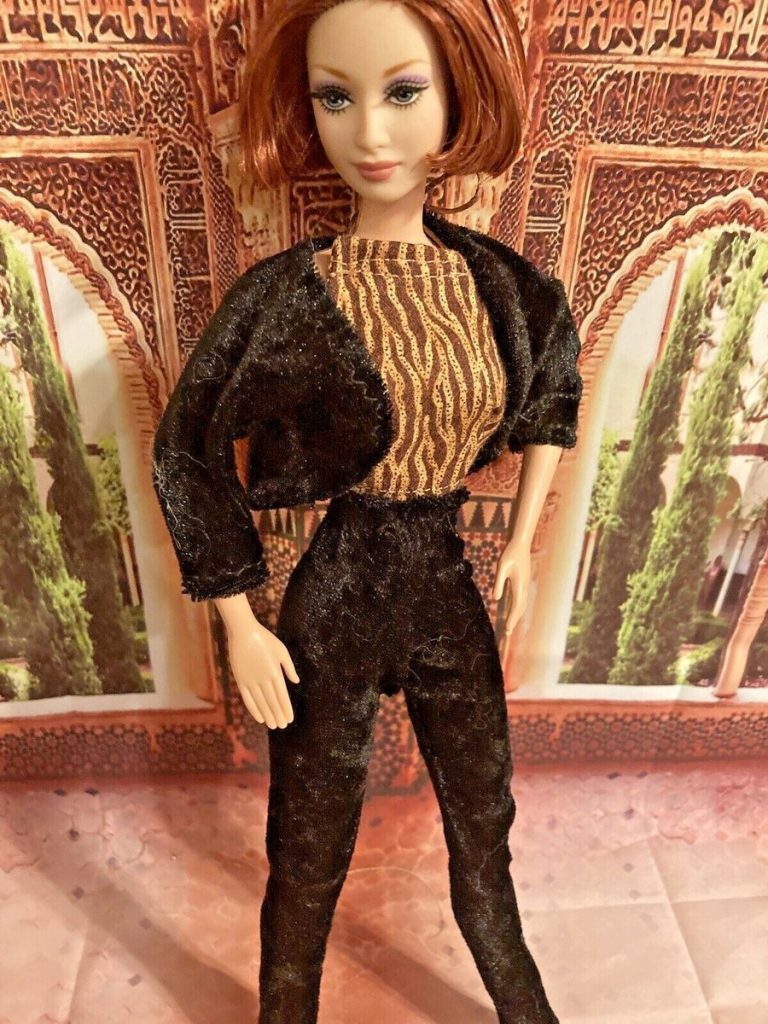
Have you ever wondered what scale Barbie dolls are made in? Knowing the exact size and scale can change how you see your collection or plan your next dollhouse.
Whether you’re a collector, a parent, or just curious, understanding Barbie’s scale helps you make better choices. Keep reading, and you’ll discover surprising facts that might change the way you think about these iconic dolls forever.
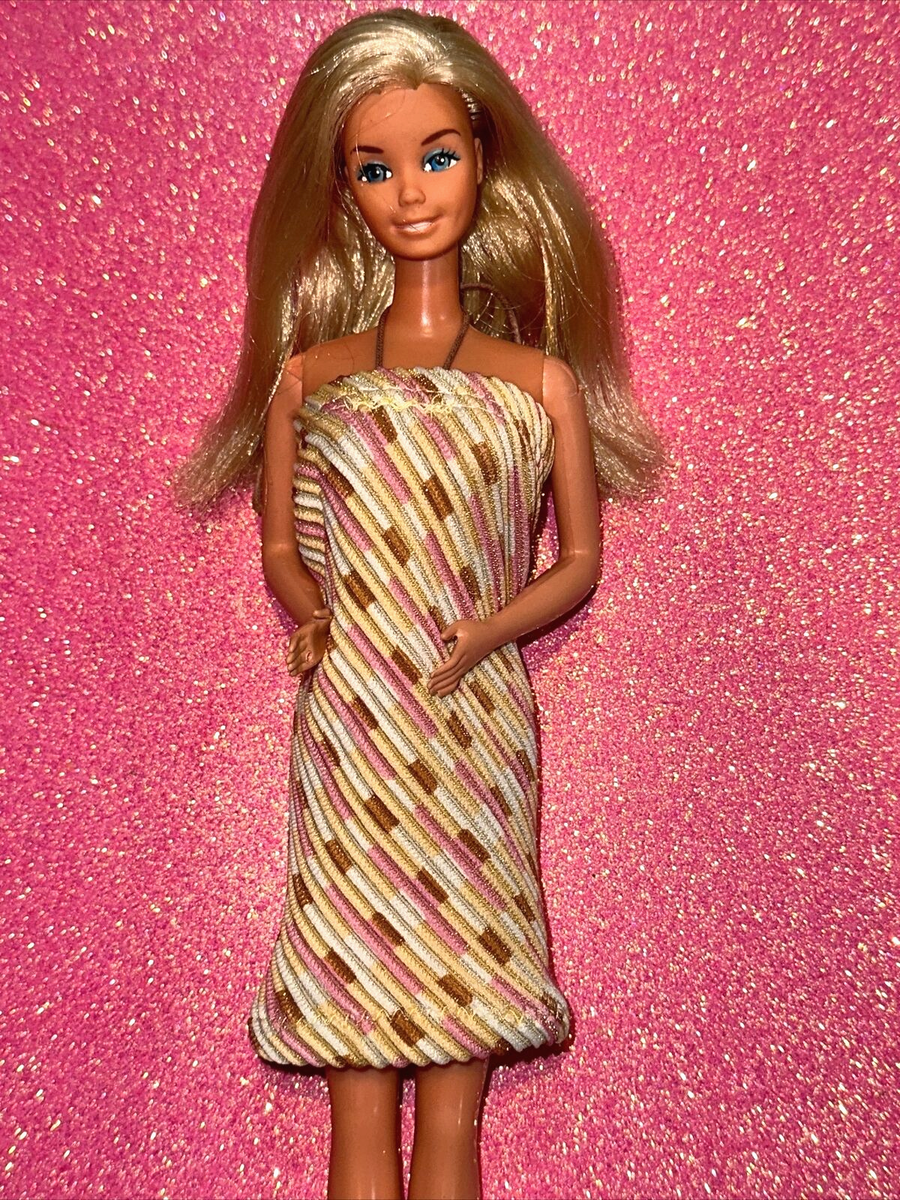
Credit: www.ebay.com
Barbie Doll Scale Basics
Understanding the scale of Barbie dolls helps you appreciate their design and compatibility with accessories or dollhouses. Barbie dolls are crafted with specific proportions that make them unique in the world of miniature figures. Knowing the basics of Barbie doll scale can guide you in collecting, customizing, or creating environments for your dolls.
What Does Scale Mean For Barbie Dolls?
Scale refers to the size ratio between the doll and a real human being. Barbie dolls are designed at roughly a 1:6 scale. This means that one inch on the doll represents six inches in real life.
At this scale, Barbie stands about 11.5 inches tall, representing an average adult height of about 5 feet 6 inches. This consistent scale allows for a wide range of compatible furniture, clothing, and accessories made by different manufacturers.
Why Is Barbie’s Scale Important?
Knowing Barbie’s scale helps you select the right accessories and environments without guesswork. If you want to build a dollhouse or buy miniature furniture, understanding the 1:6 scale ensures everything fits properly.
It also affects how realistic or stylized the doll looks. Barbie’s proportions are exaggerated, especially with longer legs and a smaller waist, which reflects the brand’s aesthetic rather than true human anatomy.
Comparing Barbie To Other Doll Scales
Not all dolls use the same scale, which can be confusing if you’re mixing collections. For example:
- American Girl dolls:About 18 inches tall, roughly 1:4 scale
- Monster High dolls:Around 10 inches, close to Barbie’s 1:6 scale
- Fashion Royalty dolls:Also 1:6 scale but with more realistic proportions
Understanding these differences helps you decide which dolls and accessories will blend well together in your collection or storytelling.
History Of Barbie Doll Sizes
The history of Barbie doll sizes shows how the brand evolved over time. Barbie was introduced in 1959 by Mattel. The original Barbie stood about 11.5 inches tall. This size quickly became the standard for most Barbie dolls. Over the years, Barbie dolls have appeared in different sizes and shapes. These changes reflect trends, technology, and market demand.
Barbie’s size stayed mostly consistent through the 1960s and 1970s. Collectors and fans recognize the classic 11.5-inch dolls. Later decades brought new versions with varied body types. Some dolls became taller or shorter to appeal to diverse audiences. The scale also changed with special editions and playsets.
Early Barbie Doll Scale
The first Barbie dolls were about 11.5 inches tall. This size allowed realistic clothing and accessories. The scale matched popular dollhouses and furniture. Early Barbie had a slim figure and posed standing or sitting.
Changes In Barbie Size Over Decades
In the 1980s and 1990s, Barbie dolls kept the classic height. New body shapes appeared to reflect changing beauty ideas. Some dolls had more curves or athletic builds. Limited editions sometimes featured taller or shorter dolls. The size changes stayed within a small range.
Modern Barbie And Diverse Sizes
Today, Barbie comes in various sizes and body types. Some dolls are shorter or taller than the original. New lines include dolls with different heights, shapes, and skin tones. Mattel aims to represent more people. This approach helps Barbie stay popular worldwide.
Measurement Standards In Doll Making
Doll makers use specific measurement standards to create dolls with consistent sizes. These standards help designers keep scale and proportion accurate. Scale determines how the doll’s size compares to a real-life figure. Understanding these standards is key to knowing the size of Barbie dolls.
Understanding Doll Scale Ratios
Scale ratios show the relationship between the doll and a real person. For example, a 1:6 scale means the doll is one-sixth the size of a real person. Barbie dolls use this 1:6 scale. This ratio keeps Barbie’s height and body proportions realistic but smaller.
Common Doll Scales In The Industry
- 1:3 scale (large dolls, about 24 inches tall)
- 1:6 scale (Barbie size, about 11.5 inches tall)
- 1:12 scale (miniature dolls, about 6 inches tall)
- 1:18 scale (small dolls, about 3.5 inches tall)
Barbie’s 1:6 scale is the most popular for fashion dolls. This scale fits well with doll clothes and accessories.
Why Consistent Measurement Matters
Consistent measurement helps collectors and designers. It allows clothes and accessories to fit perfectly. It also helps compare dolls from different brands. Without standard scales, mixing dolls can look odd or mismatched.
Common Scales In Toy Industry
In the toy industry, scale shows how big a toy is compared to real-life objects. Scales help collectors and kids understand size and detail. Different toys use different scales based on their purpose and design. Scales make it easier to mix and match toys in collections or playsets.
Common scales vary from very small to larger sizes. Each scale brings its own level of detail and playability. Knowing the common scales helps you choose the right toy for your needs.
1:6 Scale
This scale means the toy is one-sixth the size of the real object. It is common for action figures and dolls. Toys in this scale often stand about 12 inches tall. This size allows for detailed clothing and accessories.
1:12 Scale
One-twelfth scale toys are smaller, about 6 inches tall. Dollhouses often use this scale for furniture and figures. It balances detail and space, fitting well in small play areas.
1:18 Scale
Toys in this scale stand around 4 inches tall. It is popular for collectible cars and figures. This scale saves space while keeping good detail.
1:24 Scale
This scale is one twenty-fourth the size of the real thing. Common for model cars and miniatures. Toys here are small but still recognizable.
1:64 Scale
One-sixty-four scale is very small, about 1 to 2 inches tall. It is used for tiny cars and figures. This scale fits well in sets and games needing many pieces.
Comparing Barbie To Other Dolls
Understanding the scale of Barbie dolls compared to other popular dolls helps you appreciate their design and compatibility. Barbie’s scale affects how accessories, clothes, and playsets fit, shaping your collecting or play experience. Let’s look at how Barbie stacks up against other well-known dolls in size and scale.
Barbie Scale Basics
Barbie dolls are usually around 11.5 inches tall. This size roughly corresponds to a 1:6 scale, meaning Barbie is about one-sixth the size of a real person. This scale allows detailed fashion and accessories, which is part of why Barbie remains so popular.
Comparison With American Girl Dolls
American Girl dolls are much larger, standing about 18 inches tall. Their scale is closer to 1:4, making them almost one and a half times the height of Barbie. If you try to mix outfits or furniture between these two, you’ll notice the size difference immediately.
How Barbie Compares To Blythe Dolls
Blythe dolls are smaller, typically about 11 inches tall but have an oversized head. Their scale is a bit unusual, often considered 1:6 but with exaggerated features. This makes Blythe dolls unique, and their accessories don’t generally match Barbie’s scale.
Barbie Vs. Monster High Dolls
Monster High dolls are close in height to Barbie, around 10-11 inches. Their scale is similar, but the body proportions differ, with Monster High dolls having a more stylized look. This means you might swap some clothes but not everything will fit perfectly.
Why Scale Matters For Your Collection
Knowing these scales helps you mix and match dolls and accessories without frustration. Have you ever bought a cute outfit only to find it’s too big or small for your doll? Understanding scale saves you time and money and enhances your collection’s look.

Credit: www.amazon.com
Impact On Dollhouse Compatibility
The scale of Barbie dolls has a direct impact on how well they fit with dollhouses and accessories. Barbie dolls are generally made to a 1:6 scale, meaning one inch on the doll equals six inches in real life. This scale affects the size of furniture, rooms, and other accessories you can use with Barbie, influencing your overall play or display experience.
Understanding Barbie’s 1:6 Scale
Barbie stands about 11.5 inches tall, representing a 5-foot 6-inch person in real life. This size means that dollhouses and furniture designed for Barbie need to be proportionate to maintain realism.
If you try to use dollhouse furniture made for a 1:12 scale doll, which is half Barbie’s size, the pieces will look tiny and unrealistic. This mismatch can spoil the fun, especially if you want your dollhouse to look authentic.
Mixing Scales: Challenges And Solutions
Have you ever noticed how some dollhouses or furniture sets don’t quite match Barbie’s size? That’s because they might be made for a different scale, like 1:12 or 1:18. This creates problems when you try to mix and match accessories.
One way to handle this is by customizing or resizing furniture. Some hobbyists sand down or repaint smaller pieces, while others build new furniture tailored to Barbie’s scale. It takes effort, but the result is a perfectly sized dollhouse.
Choosing Compatible Dollhouses And Accessories
When shopping for a dollhouse, look for ones explicitly labeled as 1:6 scale or Barbie-compatible. This ensures the rooms, doors, and furniture fit Barbie properly without awkward gaps or oversized items.
- Check the dollhouse height and room dimensions before buying.
- Verify that doors and windows are tall enough for Barbie to stand comfortably.
- Look for furniture sets designed for 11.5-inch dolls.
Have you measured your dollhouse or furniture pieces against your Barbie? Simple checks like this can save you frustration and help create a more immersive play environment.
Collecting And Displaying Barbie Dolls
Collecting and displaying Barbie dolls is a popular hobby for many enthusiasts. These dolls come in a standard scale, making them easy to collect and showcase together. Knowing the scale helps collectors find matching accessories and display cases.
Display options range from simple shelves to elaborate cabinets. Proper display keeps dolls safe and dust-free. It also highlights each doll’s unique design and outfit.
Understanding Barbie Doll Scale
Barbie dolls are usually made at a 1:6 scale. This means one inch on the doll equals six inches in real life. This scale allows for detailed clothing and accessories. It also helps collectors compare sizes with other dolls and toys.
Choosing The Right Display Case
Display cases protect dolls from dust and damage. Look for cases with clear glass or acrylic panels. Cases with adjustable shelves fit different doll sizes. Small LED lights can enhance the display without harming the dolls.
Organizing Your Barbie Collection
Sort dolls by theme, era, or outfit color. Use labeled shelves or boxes for easy access. Grouping similar dolls creates a visually pleasing display. It also helps track which dolls you own.
Maintaining Your Barbie Dolls
Keep dolls away from direct sunlight to avoid fading. Use soft brushes to clean dust from hair and clothes. Store dolls in a cool, dry place to prevent damage. Regular care preserves their value and beauty.

Credit: jenjoysalldolleduppage.wordpress.com
Customization And Crafting
Customization and crafting bring a whole new level of excitement to Barbie dolls. They transform these classic toys into unique creations that reflect your style and imagination. Understanding the scale of Barbie dolls is essential for making custom clothes, accessories, and even dioramas that fit perfectly.
Understanding Barbie Doll Scale For Accurate Customization
Barbie dolls are typically made at a 1:6 scale, meaning one inch on the doll equals six inches in real life. This scale helps you create realistic clothing and props that look just right. Knowing this ratio saves you time and materials because you won’t have to redo items that don’t fit.
If you design a dress, measure the doll’s body carefully and multiply by six to estimate the real-life size of the garment. This process helps you visualize your work and maintain proportions.
Choosing Materials That Work With Barbie’s Scale
Since Barbie dolls are small, the materials you pick must be thin and flexible. Thick fabrics or bulky accessories can overwhelm the doll and look out of place. Lightweight cotton, silk, or stretch fabrics work best for clothing.
Accessories like miniature buttons, tiny beads, or fine thread give your Barbie a polished, detailed look. Have you ever tried making a miniature handbag? Using small-scale zippers or snaps can add a professional touch.
Crafting Techniques For Custom Barbie Outfits
Sewing by hand is often more effective than using a machine because you control the stitches better on such a small scale. Use fine needles and thread to avoid damaging the fabric. You can also use glue or heat bonding for no-sew options.
Adding layers, such as lining or tiny embellishments, takes your custom outfits to the next level. Don’t shy away from experimenting with textures and colors to see what fits your Barbie’s personality best.
Creating Custom Accessories And Props
Small details make a big difference in Barbie customization. Crafting accessories like shoes, hats, or jewelry requires precision and patience. Materials such as polymer clay or wire are excellent for shaping tiny objects.
Think about scale when creating props for dollhouses or photo shoots. Furniture pieces should also follow the 1:6 scale to keep everything visually consistent. Have you tried building a miniature chair or lamp? It’s a fun challenge that sharpens your crafting skills.
Future Trends In Doll Scaling
The world of Barbie dolls is evolving, and so is the way they are scaled. Future trends in doll scaling are pushing boundaries to offer more variety, realism, and play options. If you’ve ever wondered how these changes might affect your collection or play experience, you’re in the right place.
Advancements In Realistic Proportions
Barbie dolls are moving toward more realistic body proportions to better reflect diversity and natural human shapes. This shift helps create a stronger connection between the doll and the user, making play more meaningful. You might notice future dolls having different heights, body shapes, and facial features that feel more authentic.
Integration Of Mixed Scales For Versatility
Manufacturers are experimenting with mixed scales to make dolls compatible with various accessories and playsets. Imagine a Barbie that fits perfectly with both classic and modern furniture or vehicles. This flexibility allows you to mix and match pieces without worrying about size mismatches.
Impact Of Technology On Doll Size And Detail
Technology like 3D printing is enabling detailed designs at smaller scales without sacrificing quality. This means you’ll soon see highly detailed Barbie dolls that are more compact and easier to store or carry around. How might this influence your current display or play setup?
Eco-friendly Materials Influencing Doll Dimensions
With the push for sustainability, new materials are changing how dolls are made and sized. Some eco-friendly materials might require different thickness or structural support, leading to slight changes in scale. Could your next Barbie be not only stylish but also environmentally conscious?
Customization Trends Driving Personalized Scales
Customization is becoming a big part of the doll industry, with options to alter size or features. This trend lets you create a Barbie that fits your personal taste or matches specific themes. Have you ever thought about designing your own Barbie scale to suit your collection?
Frequently Asked Questions
What Scale Are Barbie Dolls Made In?
Barbie dolls are typically made in a 1:6 scale. This means one inch on the doll equals six inches in real life. It allows for realistic proportions and compatibility with various accessories and dollhouses designed for this scale.
Why Is Barbie Doll Scale Important?
The scale ensures Barbie’s proportions look natural and realistic. It also allows collectors to find compatible clothes, furniture, and accessories. Consistent scale helps maintain the doll’s appeal and usability across different playsets and collections.
How Does Barbie’s Scale Compare To Other Dolls?
Barbie dolls are larger than many fashion dolls like Blythe or Licca, which use smaller scales. Her 1:6 scale is popular for detailed accessories and realistic styling, making Barbie unique in size and design among doll enthusiasts.
Can Barbie Dolls Fit Standard Dollhouse Furniture?
Yes, Barbie dolls fit most 1:6 scale dollhouse furniture. The consistent scale allows easy matching with miniature furniture and accessories. This compatibility enhances play and display options for collectors and children alike.
Conclusion
Barbie dolls mostly follow a 1:6 scale, meaning one inch equals six inches in real life. This scale helps collectors and fans find matching clothes and accessories easily. Knowing the scale also aids in creating dollhouses or playsets that fit Barbie perfectly.
It keeps everything in balance and looks natural. Now, you can enjoy your Barbie collection with better understanding. Scale matters for fun and creativity. Simple and clear—Barbie’s scale makes playtime and collecting more enjoyable.