Have you ever wondered when your baby will start enjoying toys? You might be eager to see those first moments of curiosity and playfulness.
Understanding when babies begin to play with toys can help you choose the right ones at the right time. It’s not just about fun—playing with toys helps your baby learn and grow in amazing ways. Keep reading, and you’ll discover exactly when your little one is ready to start exploring the world of toys and how you can support their development every step of the way.
Early Engagement With Toys
Early engagement with toys plays a key role in a baby’s growth. Toys help babies explore their world and develop new skills. They start to show interest in toys at a very young age, even before they can hold or crawl. Understanding this early stage helps parents provide the right toys that encourage learning and fun.
Signs Of Interest In Toys
Babies begin to notice toys by watching and reaching out. Around 2 months, they may focus on colorful objects. By 3 months, some babies try to grab toys. Smiling and cooing at toys also show interest. These signs mean the baby is ready to play and learn.
Types Of Toys For Early Play
Soft, lightweight toys work best for young babies. Toys with bright colors and different textures attract attention. Rattles and plush animals are good choices. Toys that make gentle sounds help with hearing skills. Safe, simple toys encourage babies to explore safely.
How Toys Support Development
Toys help develop hand-eye coordination as babies reach and grab. They encourage sensory learning with different textures and sounds. Playing with toys also improves focus and attention span. Toys stimulate curiosity and help babies understand cause and effect. Early play builds a strong foundation for future learning.
Newborn Sensory Exploration
Newborns begin exploring their world through senses right after birth. Their play starts with simple sensory experiences. These early moments shape how babies learn about their environment. Sensory exploration is key for brain growth and bonding.
Visual Focus And Tracking
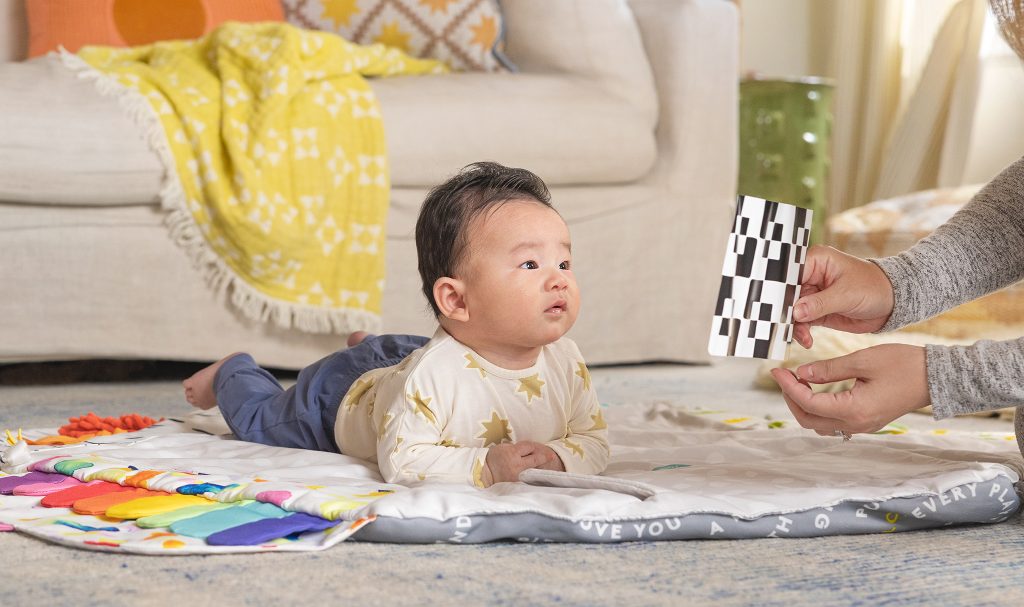
Newborns can see shapes and faces clearly within 8 to 12 inches. They often focus on high-contrast patterns like black and white. Babies try to follow moving objects with their eyes. This visual tracking helps develop attention and coordination.
Tactile Sensitivity
Touch is a powerful way babies discover textures and shapes. Newborns respond to soft fabrics, gentle strokes, and different temperatures. Their hands and mouth are primary tools for exploring objects. Gentle touching builds comfort and awareness.
Auditory Awareness
Sounds capture newborns’ attention early on. They recognize their mother’s voice and respond to soothing tones. Rhythmic sounds, like lullabies, calm and engage babies. Hearing helps babies connect with people and surroundings.
Early Toy Interaction
At this stage, babies do not play with toys like older infants. They mainly respond to sensory input from simple objects. Soft rattles, textured cloths, and safe mirrors attract their interest. These items support sensory growth and curiosity.
Grasping And Holding Toys
Grasping and holding toys mark an exciting milestone in your baby’s development. This stage shows growing strength, coordination, and curiosity. Watching your little one reach out and clutch a toy reveals their increasing control over their tiny hands.
When Do Babies Start Grasping Toys?
Babies usually begin to grasp objects around 3 to 4 months old. At first, their grip might be reflexive and uncoordinated. Soon, they start intentionally reaching for colorful or textured toys that catch their attention.
Have you noticed how your baby’s eyes light up when they grab a rattle? That simple action is actually a big step in sensory and motor skill development.
How To Encourage Your Baby To Hold Toys
Offer toys that are easy to grab, like soft rattles or rings with large handles. Place toys just within reach to motivate your baby to stretch and grasp. Switch toys regularly to keep their interest alive.
- Use bright colors and different textures to attract your baby’s attention.
- Hold a toy near your baby’s hand and gently guide their grasp.
- Give plenty of praise when they successfully hold a toy to boost confidence.
Signs Your Baby Is Ready To Hold More Complex Toys
When your baby starts holding toys steadily without dropping them immediately, they’re ready for more challenging options. Toys with buttons, levers, or different shapes encourage problem-solving and fine motor skills. Notice if your baby can transfer a toy from one hand to the other—this shows growing hand coordination.
Have you seen your baby try to explore a toy with both hands? That’s a clear sign their grasping skills are evolving fast.

Credit: www.graaffreinetadvertiser.com
Interactive Play Development
Interactive play marks a crucial stage in your baby’s growth. It is when they begin to explore toys not just by mouthing or grabbing but by engaging with them in a purposeful way. This phase shows how your baby’s brain, motor skills, and social awareness are developing together.
Recognizing Early Signs Of Interactive Play
By around 3 to 6 months, many babies start showing interest in toys that respond to their actions. You might notice your little one batting at a hanging mobile or shaking a rattle to hear the sound it makes. These moments indicate that your baby is beginning to understand cause and effect.
Have you seen your baby repeat a movement just to see what happens next? That curiosity is the foundation of interactive play.
Choosing Toys That Encourage Interaction
Not all toys support interactive play equally. Look for toys with buttons, levers, or parts that move when touched. Simple items like stacking rings or soft blocks can inspire your baby to use their hands and eyes together.
- Toys with different textures stimulate touch and exploration.
- Bright colors and sounds help maintain your baby’s attention.
- Interactive books with flaps or textures invite your baby to participate actively.
How Interactive Play Boosts Development
When your baby interacts with toys, they practice coordination and problem-solving. This play helps strengthen fine motor skills like grasping and releasing objects. It also encourages cognitive skills as your baby learns to anticipate what will happen next.
Your role is important here. Join your baby during playtime to model how a toy works or celebrate their discoveries. This shared experience deepens your connection and motivates your baby to explore even more.
Imaginative Play Emergence
Imaginative play marks a key milestone in a baby’s development. It starts as babies learn to pretend and use toys in creative ways. This kind of play helps build thinking skills and emotional understanding.
Babies begin to show signs of imaginative play around 18 to 24 months. At this stage, they start using objects to represent something else. For example, a block might become a phone or a spoon might be used as a microphone.
Imaginative play grows with age. It becomes more complex as toddlers explore different roles and scenarios. This play supports language growth and problem-solving abilities.
Signs Of Imaginative Play In Babies
- Pretending to feed a doll or stuffed animal
- Using objects in new and creative ways
- Imitating everyday actions like talking on the phone
- Creating simple stories during playtime
How Toys Encourage Imaginative Play
- Open-ended toys like blocks and dolls inspire creativity
- Simple props help babies explore different roles
- Soft toys encourage nurturing behaviors and role play
- Interactive toys promote pretend conversations and actions
Tips To Support Imaginative Play
- Join in and play alongside your child
- Ask questions about their pretend scenarios
- Provide a variety of simple, safe toys
- Encourage storytelling and role-playing activities
Credit: www.thebump.com
Cognitive Growth Through Toys
Toys play a vital role in a baby’s cognitive growth. Through play, babies learn about their world. They begin to recognize shapes, colors, and textures. This process helps build their thinking skills and memory. Toys also encourage curiosity and problem-solving abilities. As babies interact with toys, their brain develops new connections. This interaction is key to understanding cause and effect. Simple actions like shaking a rattle teach babies about sound and motion. Playing with toys supports language development too. Babies start to associate words with objects and actions. Overall, toys are not just for fun but crucial tools for learning.
How Toys Stimulate Brain Development
Toys stimulate different parts of a baby’s brain. Bright colors attract attention and improve visual skills. Soft toys help develop touch and feel senses. Toys that make sounds teach cause and effect. Puzzles encourage problem-solving and hand-eye coordination. Each type of toy targets a unique skill set. This variety boosts overall brain growth in babies.
Role Of Toys In Learning Cause And Effect
Babies learn cause and effect by interacting with toys. Pressing a button to hear a sound is an example. Dropping a toy and seeing it fall teaches gravity. These simple experiences teach babies about actions and reactions. Understanding this concept is a key step in cognitive growth.
Language Skills Through Toy Interaction
Babies develop language skills by playing with toys. Naming toys helps babies connect words to objects. Talking about colors, shapes, and sounds boosts vocabulary. Repeating words while playing improves memory and speech. Toys encourage babies to listen and respond. This builds early communication skills.
Encouraging Problem-solving With Toys
Problem-solving starts early with the right toys. Stacking blocks teaches babies about balance and order. Simple puzzles challenge them to find the right fit. Figuring out how toys work improves thinking skills. These activities help babies learn to solve problems step by step.
Social Skills And Group Play
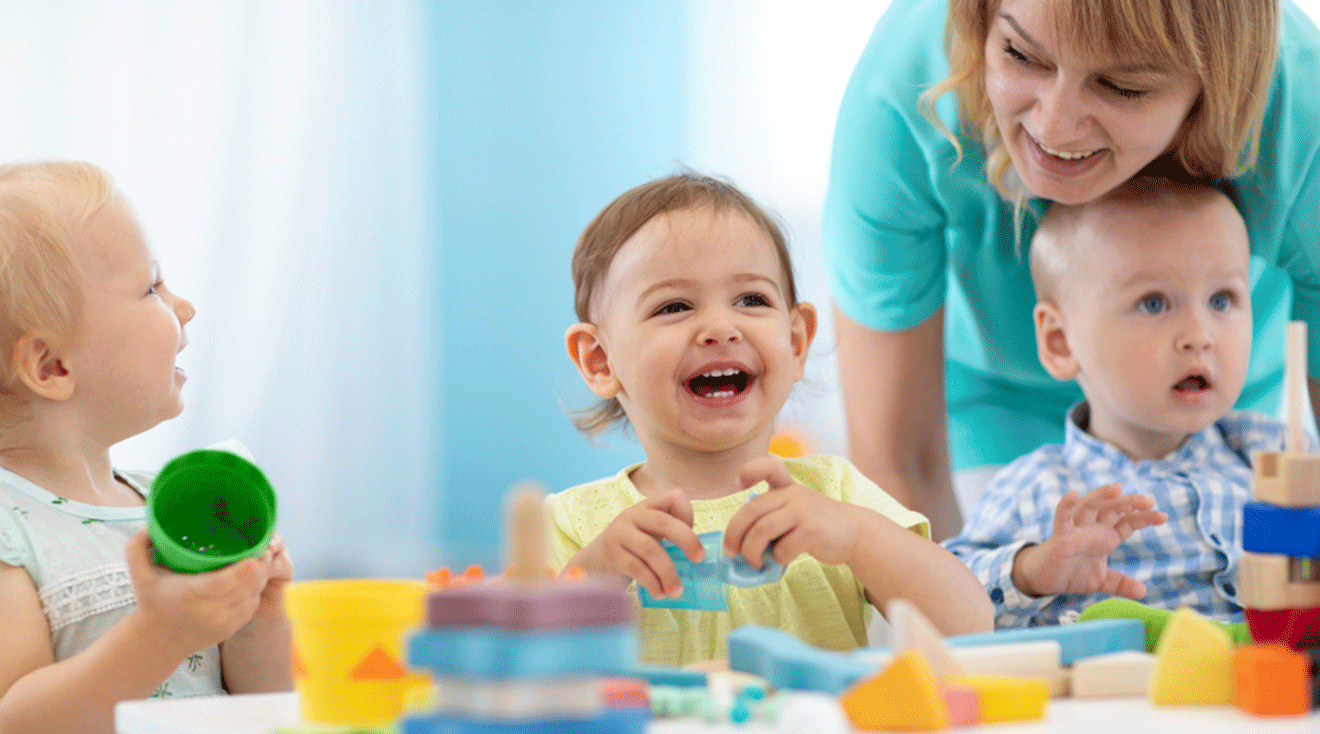
Social skills and group play are important parts of a baby’s growth. Playing with toys helps babies learn how to interact with others. It builds communication, sharing, and cooperation skills. These skills form the base for friendships later in life.
Babies start showing interest in other children around 9 to 12 months. They begin to explore toys together but often play side by side rather than with each other. This stage is called parallel play. It helps babies observe and learn social cues.
Group play becomes more interactive after 18 months. Babies start to share toys and imitate each other’s actions. This shows early signs of teamwork and empathy. Group play encourages language skills as babies babble and respond to peers.
Early Social Interactions Through Toys
Toys act as tools for social connection. Simple toys like blocks or balls invite babies to take turns. Taking turns teaches patience and respect. These interactions improve babies’ understanding of social rules.
Role Of Caregivers In Group Play
Caregivers guide babies in group settings. They model sharing and polite behavior. Gentle encouragement helps babies feel safe while trying new social skills. Caregivers also help resolve conflicts during play.
Choosing Toys That Encourage Social Play
- Pick toys that multiple babies can use at once
- Use toys that invite cooperation, like building blocks or puzzles
- Include role-play toys to spark imagination and communication
These toys motivate babies to interact and learn from each other. Social play becomes fun and meaningful.

Credit: monkibox.com
Frequently Asked Questions
When Do Babies Start Playing With Toys?
Babies typically start playing with toys around 3 to 4 months old. At this age, they begin to grasp and explore objects. Early play helps develop motor skills and hand-eye coordination.
What Types Of Toys Are Best For Newborns?
Soft, colorful, and textured toys are best for newborns. These stimulate their senses and encourage exploration. Rattles and plush toys are popular choices for this stage.
How Do Toys Help Baby Development?
Toys support cognitive, motor, and sensory development. They encourage problem-solving, fine motor skills, and sensory exploration. Playing with toys also fosters creativity and social interaction.
When Should Babies Start Interactive Toy Play?
Babies usually start interactive toy play around 6 months. They can respond to sounds, buttons, and movement. Interactive toys promote cause-and-effect learning and engagement.
Conclusion
Babies start playing with toys as they grow and explore. Around three to six months, they begin to notice objects. They reach out and touch toys to learn about them. Playing helps babies develop skills like hand-eye coordination. Simple toys with bright colors and different textures work best.
Remember, every baby is unique and learns at their own pace. Encourage playtime gently and enjoy watching their progress. Toys bring joy and support early learning in babies. Keep offering safe, age-appropriate toys for happy play moments.