In this guide
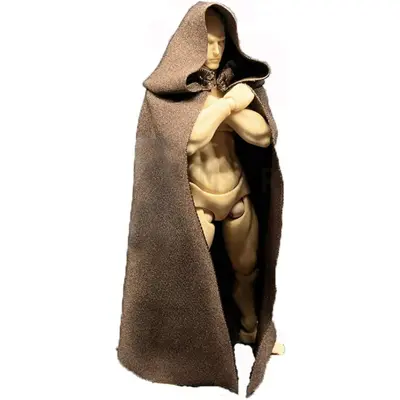
Do you want to give your action figures a fresh new look? Making clothes for your action figures can be fun, creative, and surprisingly easy.
Imagine dressing your favorite heroes or characters in outfits you designed yourself. Whether you’re a beginner or just looking for new ideas, this guide will show you simple steps to create stylish clothes that fit perfectly. Keep reading, and you’ll discover how to bring your action figures to life like never before!

Credit: www.tiktok.com
Materials Needed
Creating clothes for action figures needs the right materials. Choosing good fabric and tools makes the process easier and the results better. Simple materials help you sew neat, small outfits that fit well. Prepare your workspace and gather these essentials before starting.
Fabric Options
- Cotton:Soft and easy to cut. Works well for casual clothes.
- Felt:Thick and holds shape. Great for jackets and hats.
- Stretch fabric:Like jersey or spandex. Fits tight outfits.
- Satin or silk:Smooth and shiny. Perfect for fancy dresses.
- Denim:Durable and classic. Ideal for jeans or vests.
- Fleece:Warm and soft. Use for winter clothes or blankets.
Essential Tools
- Scissors:Sharp fabric scissors for clean cuts.
- Needles:Small hand sewing needles or a fine sewing machine needle.
- Thread:Choose colors matching your fabric.
- Measuring tape:For accurate sizing of clothes.
- Pins:To hold fabric pieces before sewing.
- Chalk or fabric marker:Marks cutting lines without damage.
- Seam ripper:Fixes sewing mistakes easily.
- Iron:Presses fabric flat for neat sewing.
Credit: www.tiktok.com
Design Inspiration
Design inspiration sparks creativity when making clothes for action figures. It shapes the style and feel of each outfit. Drawing ideas from real life, cartoons, movies, or trends can help craft unique looks. Inspiration guides color, fabric, and accessory choices. This section explores popular styles and color choices to help create eye-catching action figure clothes.
Popular Styles
Action figure clothes often reflect popular fashion trends or character themes. Classic styles like superhero costumes, medieval armor, or casual streetwear work well. Miniature versions of everyday clothes also appeal to collectors. Vintage looks add charm and nostalgia. Experimenting with different styles helps find the perfect match for your figure.
- Superhero suits with bold shapes and logos
- Medieval or fantasy armor with detailed textures
- Casual wear like jeans, t-shirts, or hoodies
- Formal outfits such as suits or dresses
- Vintage or retro-inspired clothing
Color Choices
Colors set the mood and highlight details in action figure clothes. Bright, bold colors make outfits stand out. Darker shades add a serious or mysterious vibe. Complementary colors create balance and visual interest. Neutral tones like black, white, and gray work well as a base. Choosing the right colors enhances the overall design.
| Color Type | Effect | Example |
|---|---|---|
| Bright | Energetic, eye-catching | Red, yellow, blue |
| Dark | Serious, mysterious | Black, navy, dark green |
| Neutral | Balanced, versatile | Gray, white, beige |
| Complementary | Vibrant contrast | Blue and orange, purple and yellow |
Pattern Creation
Creating a pattern is the foundation of making clothes for your action figure. Without a well-made pattern, the clothes won’t fit properly or look right. This part requires patience and precision, but it’s also where your creativity begins to take shape.
Measuring The Figure
Start by carefully measuring your action figure. Use a flexible tape measure or a small ruler to get accurate numbers.
- Measure the chest, waist, and hips to understand the body shape.
- Don’t forget to measure the length of the arms, legs, and torso.
- Note down the neck circumference and shoulder width for better fitting collars and sleeves.
Taking these measurements helps you avoid guesswork and wasted fabric. Have you ever tried making clothes without proper measurements? It usually leads to frustration and discarded materials.
Drawing Patterns
Once you have your measurements, transfer them onto paper to create your pattern. Use plain paper or pattern paper and a pencil for easy adjustments.
Draw basic shapes that match the parts of the figure:
- A rectangle for the torso
- Smaller rectangles or trapezoids for arms and legs
- Circles or ovals for neck and armholes
Remember to add seam allowances around your shapes; about 3-5 mm extra space helps with sewing. You can test the pattern by cutting it out and wrapping it around the figure with tape. This quick test shows if your pattern fits or needs tweaking before cutting fabric.
Cutting Techniques
Cutting techniques are key to creating neat and well-fitting clothes for action figures. Proper cutting shapes the fabric perfectly and gives the final outfit a professional look. Using the right tools and methods helps avoid errors and saves material. This section guides you through cutting with care and accuracy for the best results.
Precision Cutting
Use sharp scissors or a craft knife for clean cuts. Dull tools cause rough edges and uneven shapes. Always cut on a flat, stable surface for better control. Trace patterns with a pencil or tailor’s chalk before cutting. This ensures the pieces fit together properly. Cut slowly and steadily to keep lines straight. Small, careful snips work better than quick, large cuts. Precision cutting results in smooth edges that make sewing easier.
Avoiding Mistakes
Double-check measurements before cutting fabric. Measure twice, cut once helps avoid wasted material. Keep fabric flat and smooth to prevent stretching. Pin or weigh down patterns firmly to stop slipping. Cut outside the drawn lines slightly to allow seam allowance. Label each piece after cutting to stay organized. Avoid rushing to reduce the risk of errors. Practice on scrap fabric to build confidence. Mistakes cost time and fabric, so stay patient and focused.
Sewing Basics
Sewing is the foundation of making action figure clothes that fit well and last long. Understanding the basics helps you create neat, durable outfits without frustration. Whether you’re new to sewing or have some experience, mastering simple techniques will boost your confidence and improve your results.
Stitch Types
Choosing the right stitch can make a big difference in how your miniature clothes hold together. A straight stitch is the most common and works great for seams that don’t need much stretch.
For stretchy fabrics, try a zigzag stitch. It allows the fabric to move without breaking the thread. You can also use a backstitch by hand for extra strength in tiny areas, such as attaching buttons or hems.
Here are a few stitch types to keep handy:
- Straight Stitch:Basic and strong for most seams.
- Zigzag Stitch:Adds stretch and flexibility.
- Backstitch:Durable hand stitch for small details.
- Slip Stitch:Invisible stitch for hems or closures.
Which stitch do you find easiest to control on such small fabrics?
Using A Sewing Machine
A sewing machine speeds up your work, but it can be tricky with tiny action figure clothes. Make sure to use a fine needle and lightweight thread to avoid bulky seams.
Set your machine to a shorter stitch length to keep seams tight and neat. Practice on scrap fabric first to get comfortable with feeding small pieces through the machine.
Here are some tips to help you sew mini clothes smoothly:
- Use a presser foot designed for delicate fabrics.
- Keep your hands steady and guide the fabric gently.
- Pin or clip pieces together before sewing to avoid shifting.
- Trim seams close but leave enough to prevent unraveling.
Have you tried sewing tiny hems with a machine yet? It’s a game changer once you get the hang of it.
Finishing Touches
Finishing touches are what turn basic action figure clothes into something truly special. These details not only improve the fit but also add personality and realism to your miniature outfits. Paying attention to these final steps can make your creation stand out on any shelf.
Adding Fasteners
Fasteners keep the clothes secure on your action figure while allowing easy dressing and undressing. You can use tiny snaps, Velcro strips, or even small magnets depending on the type of fabric and the figure’s size.
For example, Velcro works great on thicker materials like denim or leather, while snaps add a professional look to thinner fabrics. Sewing these fasteners carefully avoids bulkiness and maintains the garment’s natural flow.
Have you tried using magnets hidden inside the fabric? They hold the clothes neatly without visible closures, which creates a seamless appearance.
Decorative Elements
Decorations bring your action figure’s outfit to life. Adding buttons, patches, or tiny embroidery can reflect the character’s personality or style.
Think about using fabric paint or small beads to mimic jewelry or armor details. These small touches make the outfit more unique and eye-catching.
Try experimenting with lace trims or mini belts to add dimension and texture. What small decorative element could make your figure’s clothes truly yours?
Troubleshooting
Troubleshooting is a crucial part of making action figure clothes. Even small mistakes can lead to ill-fitting or fragile outfits, but identifying and fixing these issues early saves time and frustration. Understanding common errors and applying practical tips can dramatically improve your results.
Common Errors
- Incorrect measurements:Measuring your action figure inaccurately often causes clothes to be too tight or too loose. Double-check sizes before cutting fabric.
- Using the wrong fabric:Thick or stiff materials can make clothes bulky and hard to fit. Thin, flexible fabrics work best for tiny outfits.
- Poor stitching:Loose or uneven stitches can unravel quickly. Consistent, tight stitches ensure durability.
- Ignoring seam allowances:Forgetting to add seam allowances can shrink the garment and make it difficult to sew properly.
- Overcomplicated designs:Complex patterns might look good but can be frustrating to execute on a small scale. Simplicity often leads to better results.
Tips For Success
- Measure your figure multiple times and write down the numbers. Small differences can change the fit drastically.
- Choose stretchy or lightweight fabrics like jersey or cotton blends to ease fitting and sewing.
- Practice sewing on scrap fabric to maintain even stitch length and tension.
- Mark seam allowances clearly with fabric chalk or a pencil before cutting.
- Start with simple designs and add details only after mastering basic construction.
Have you ever struggled with a garment that looked perfect but just wouldn’t fit your figure? Paying attention to these details can make your next outfit a perfect match instead of a frustrating puzzle.
Showcasing Your Work
Showcasing your action figure clothes is as important as making them. Your hard work deserves to be seen clearly and attractively. Whether you want to share your creations with friends, sell them, or simply keep a record, how you present your work makes a big difference.
Photography Tips
Good photos bring your action figure clothes to life. Use natural light whenever possible; it highlights colors and details better than artificial light. Avoid harsh shadows by shooting near a window or outdoors on a cloudy day.
Choose a simple background that doesn’t distract from your clothes. A plain white or black backdrop often works well. Try different angles to show off unique features like stitching, fabric texture, or tiny accessories.
Focus your camera carefully. Blurry photos don’t do justice to your craftsmanship. Experiment with close-ups to capture intricate details and wider shots to show the fit on the figure.
Sharing Online
Once you have great photos, share them where other collectors and hobbyists gather. Social media platforms like Instagram and Pinterest are perfect for visual content. Use relevant hashtags such as ActionFigureClothes or MiniatureFashion to reach interested audiences.
Consider joining forums or Facebook groups dedicated to action figures. These communities appreciate craftsmanship and can offer feedback and support. When you post, include a brief story about your creation—what inspired it or what challenges you faced.
Would you rather keep your work private or build a following? Sharing online can open doors to collaborations and sales. Take advantage of free platforms to show your unique style and connect with others who share your passion.

Credit: www.tiktok.com
Frequently Asked Questions
What Materials Are Best For Action Figure Clothes?
Fabrics like cotton, felt, and spandex work great for action figure clothes. They are easy to cut and sew. Use thin, flexible materials to ensure a good fit and durability.
How Do I Measure Action Figures For Clothes?
Measure the figure’s height, chest, waist, and arm length. Use a soft tape measure or paper strips. Accurate measurements help create well-fitting and realistic clothes.
What Tools Are Needed To Make Action Figure Clothes?
Basic tools include scissors, needles, thread, fabric glue, and pins. A sewing machine helps with durability. Small tools make precise cuts and stitches easier.
Can I Customize Patterns For Action Figure Clothes?
Yes, customize patterns by scaling down adult clothes or sketching new designs. Adjust for the figure’s proportions. Custom patterns ensure unique and perfect-fitting outfits.
Conclusion
Making clothes for action figures can be fun and simple. Start with easy patterns and basic materials. Take your time to cut and sew carefully. Small details make your clothes look great. Practice will help you improve your skills. You can create many outfits for different figures.
Enjoy crafting and express your creativity. This hobby brings joy and keeps your figures unique. Keep experimenting with colors and styles. Soon, you will have a collection of cool clothes.